Berber Lodge
Where the landscape becomes architecture
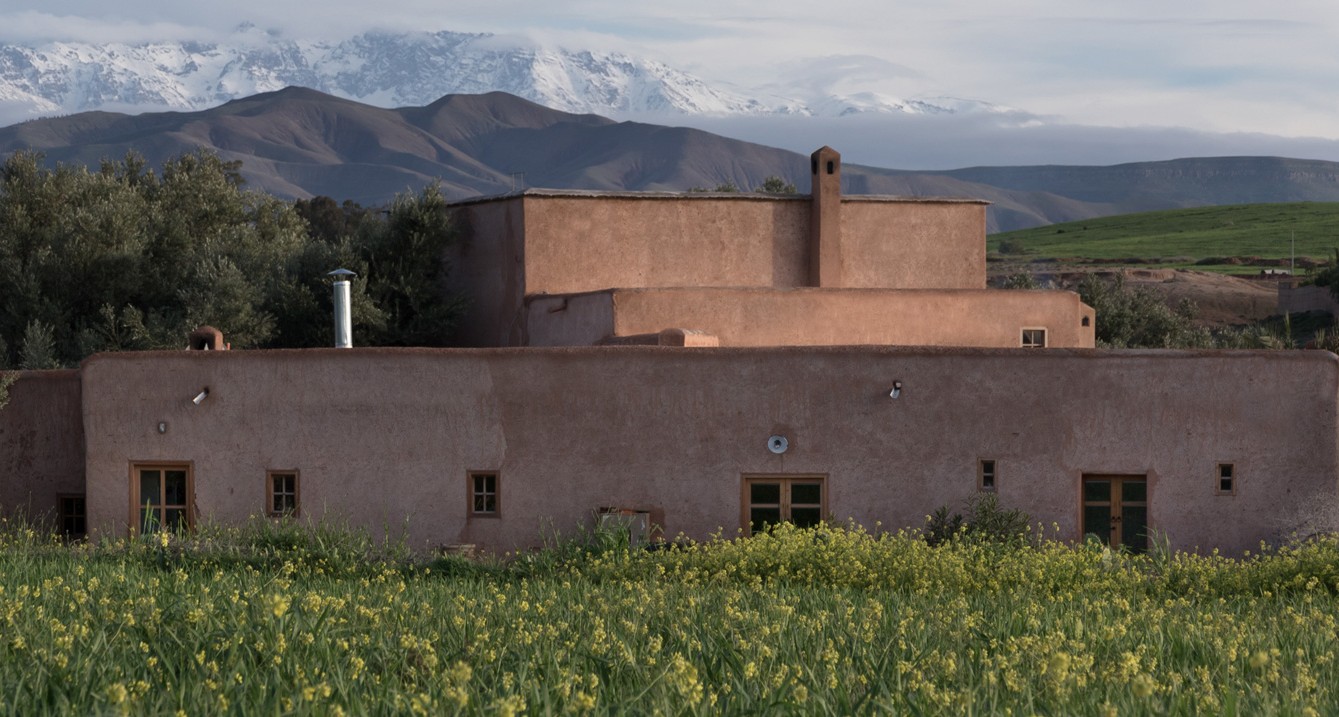
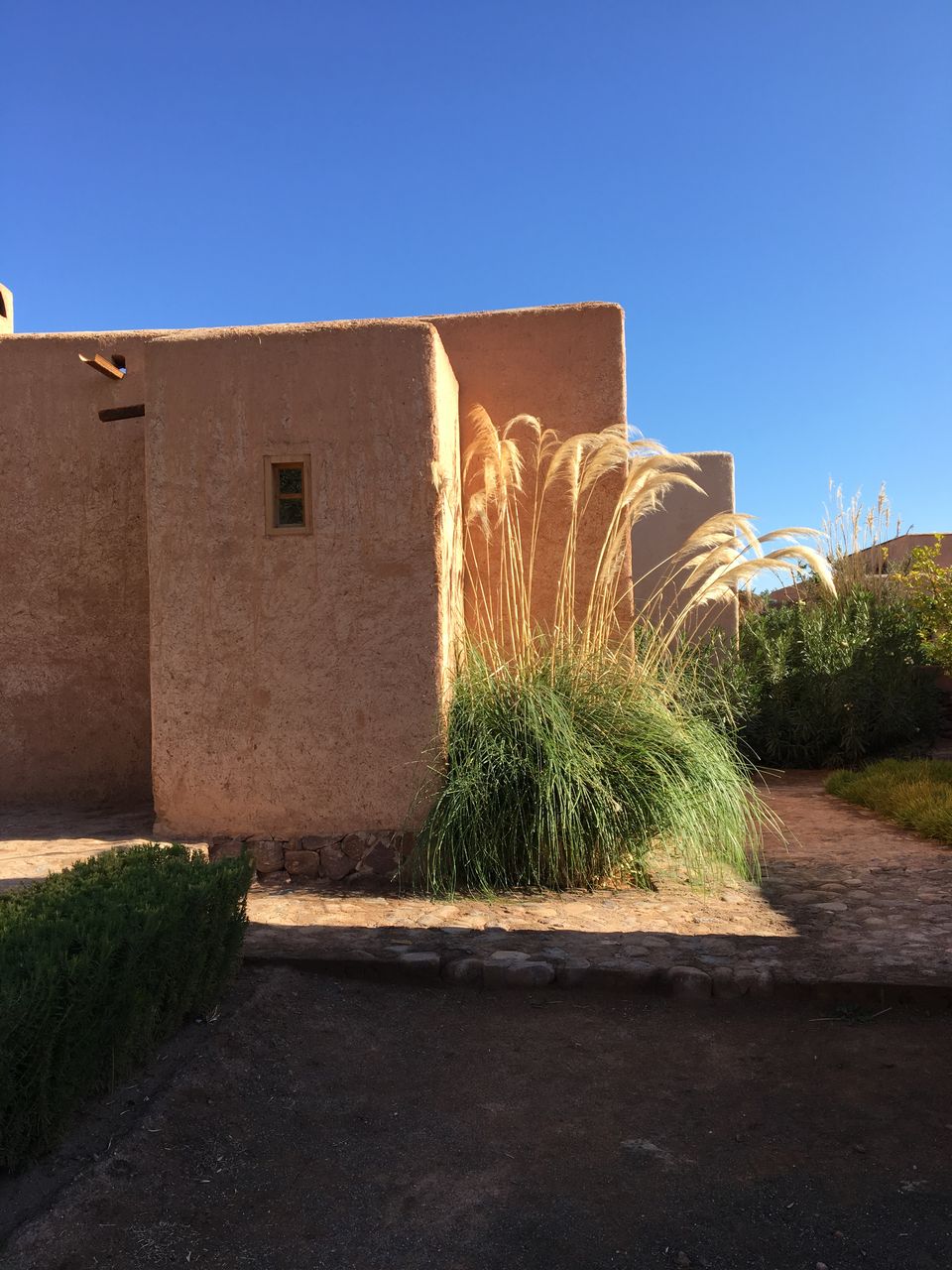
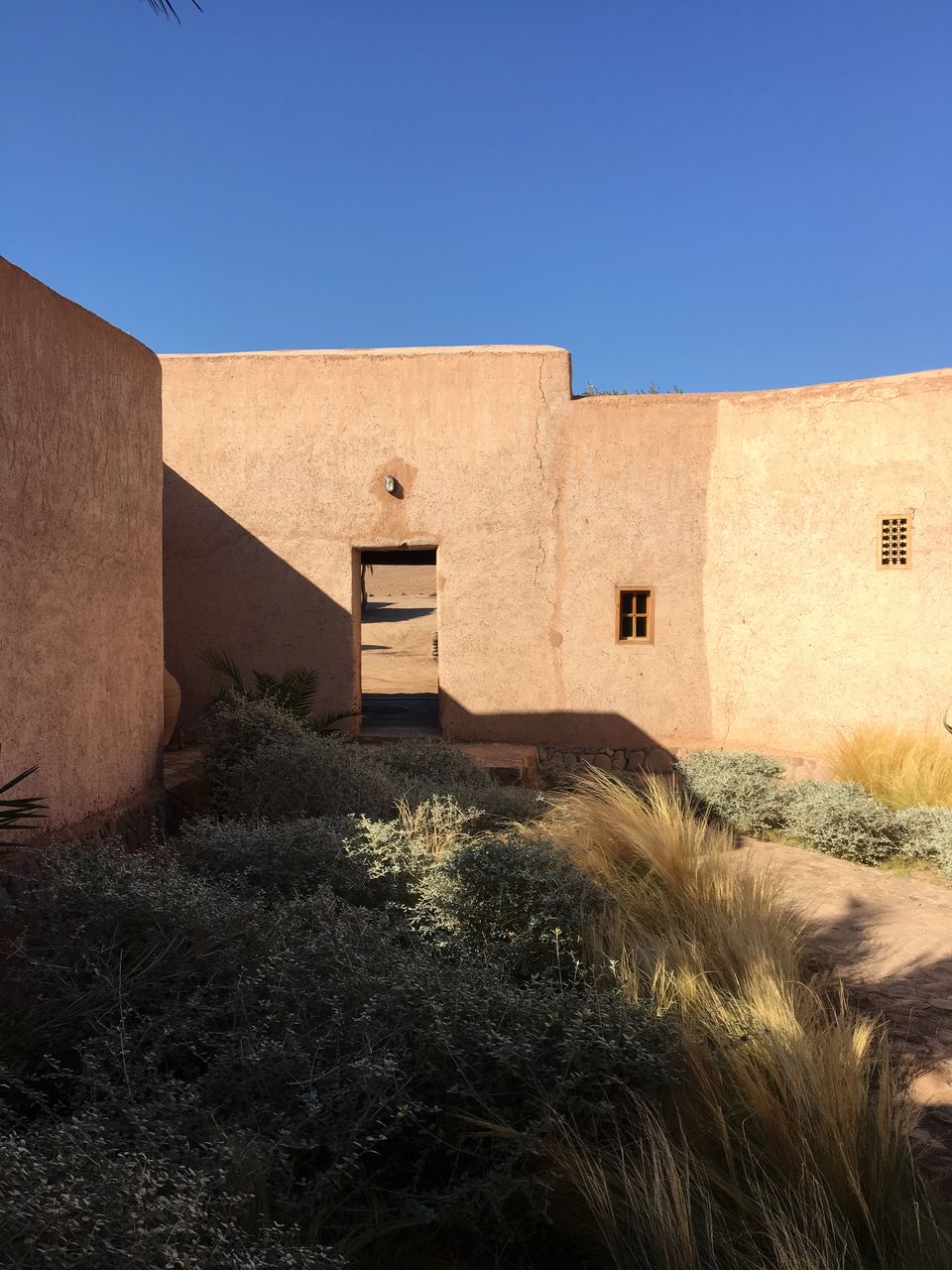
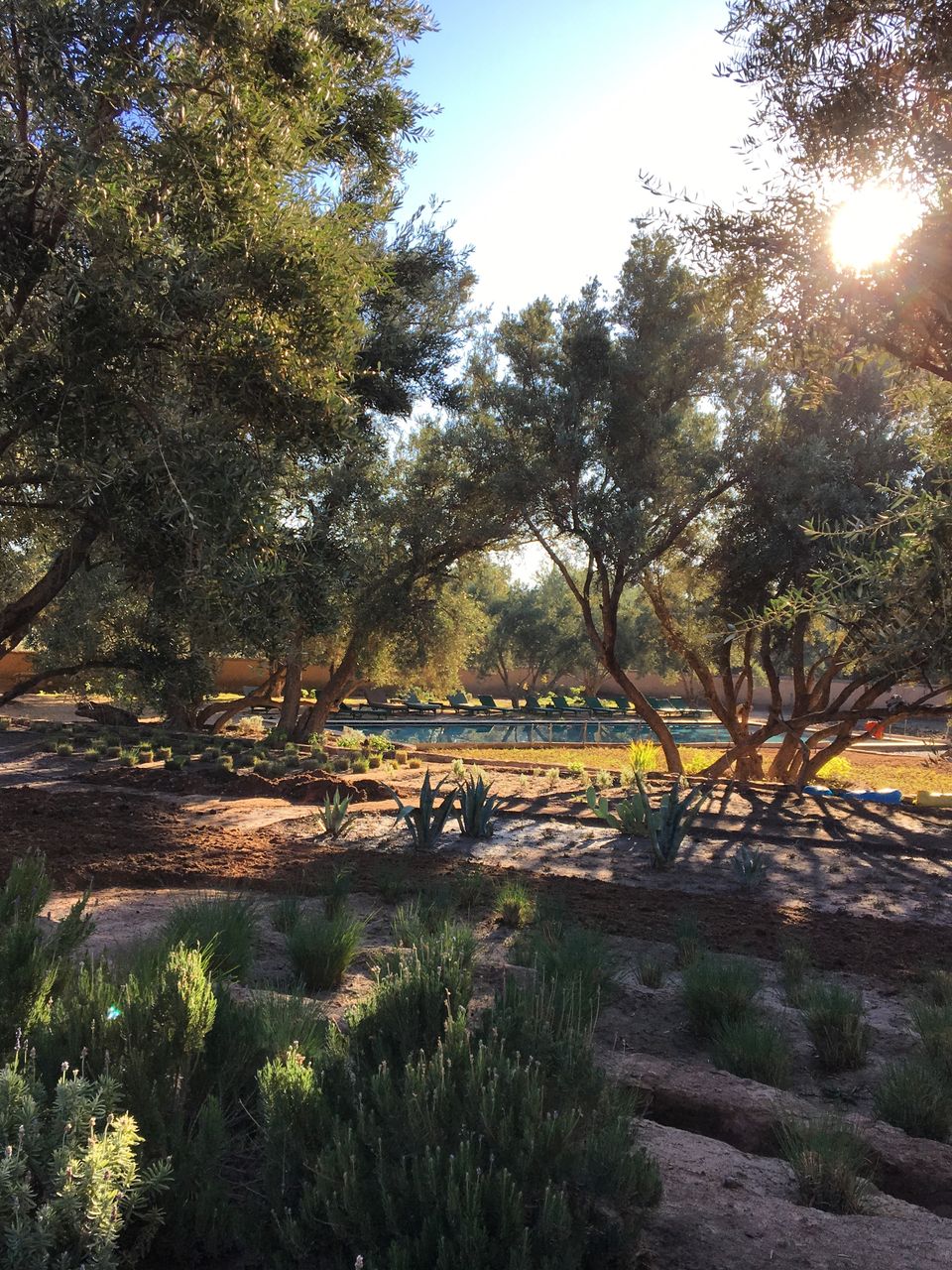
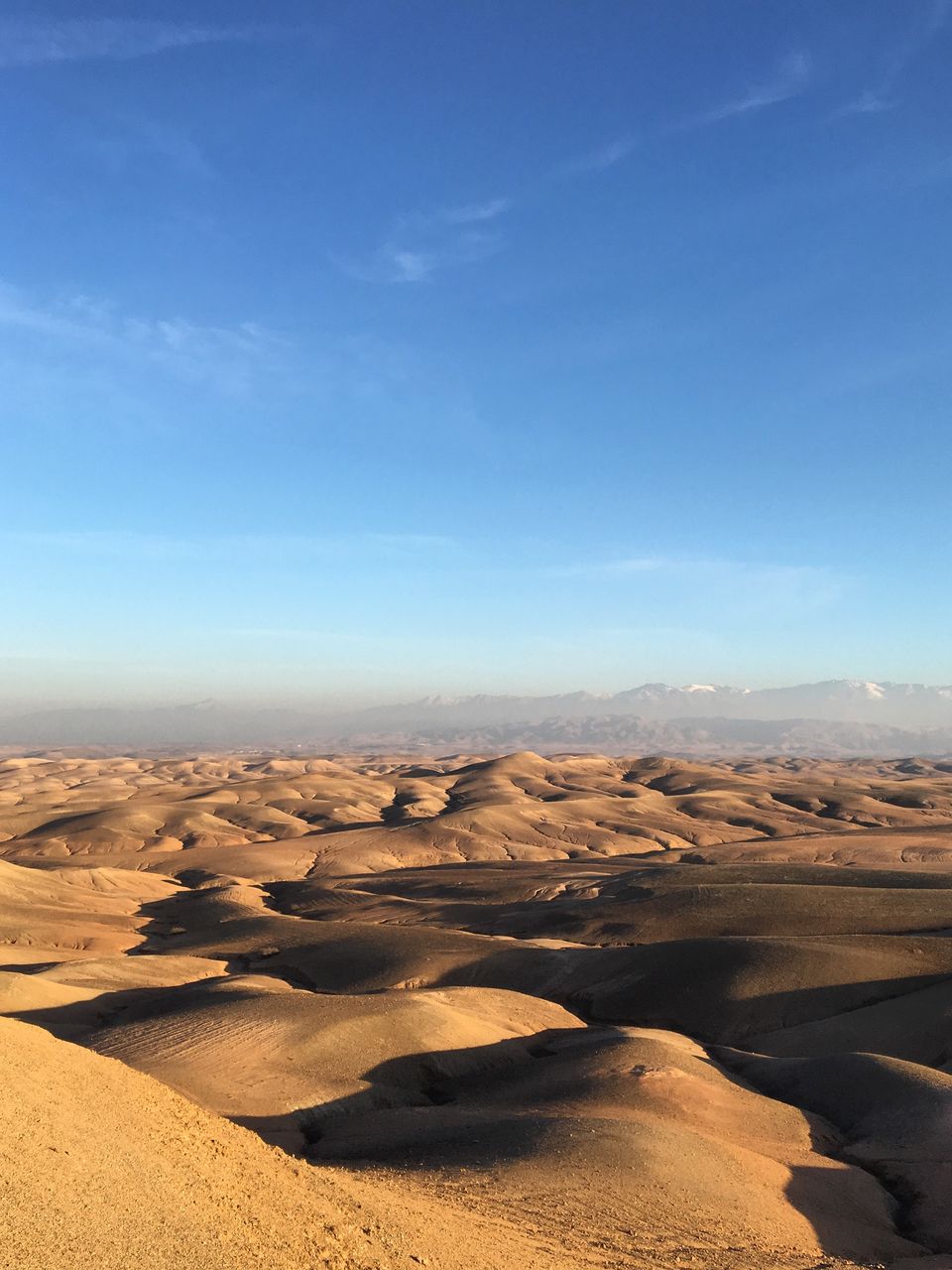
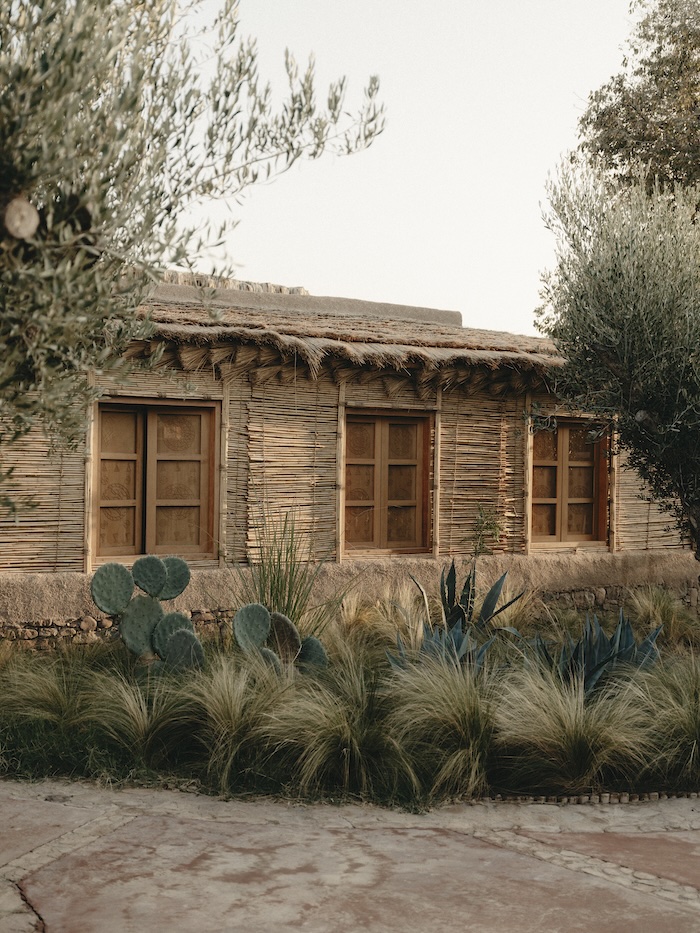
Just over thirty minutes from Marrakech, on the road towards the Agafay desert and the Atlas Mountains, Berber Lodge appears almost by chance, hidden among centuries-old olive trees and aromatic gardens. More than a hotel, it is a small contemporary village built on the principles of Berber architecture, where every building seems to have always belonged to the landscape around it.
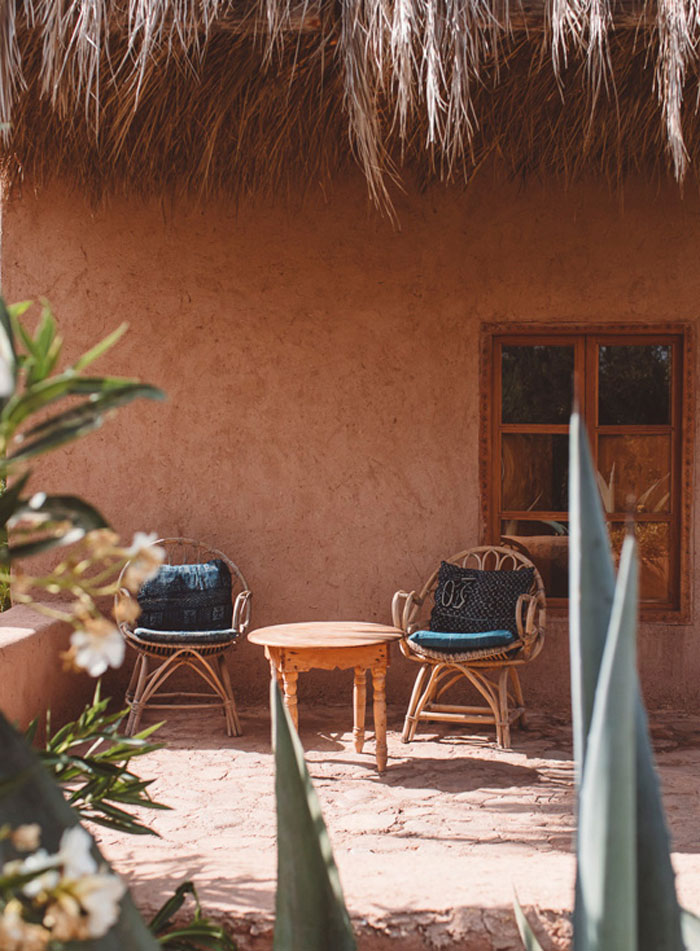
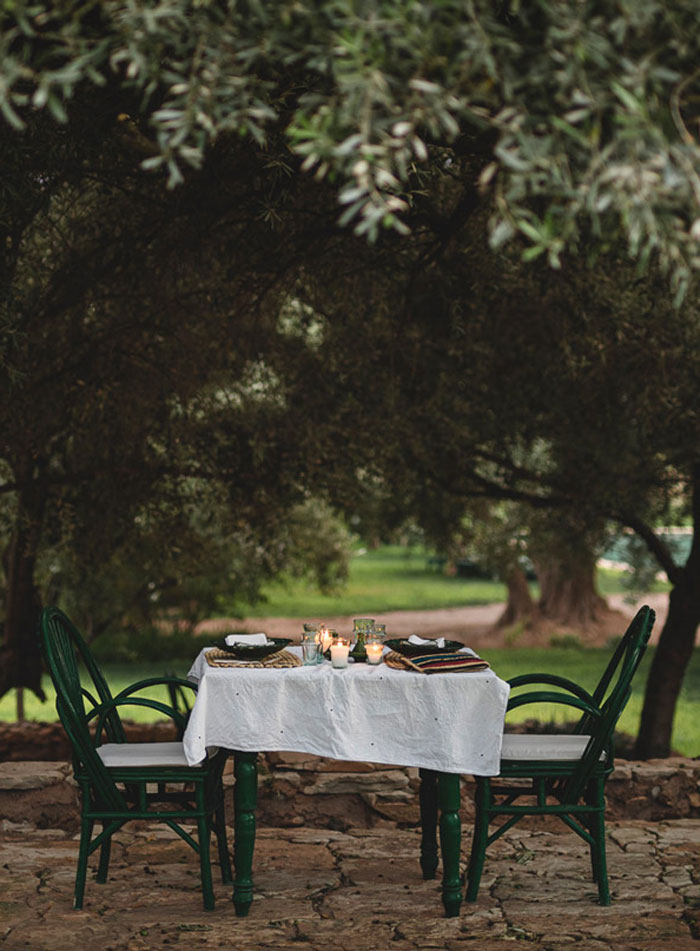
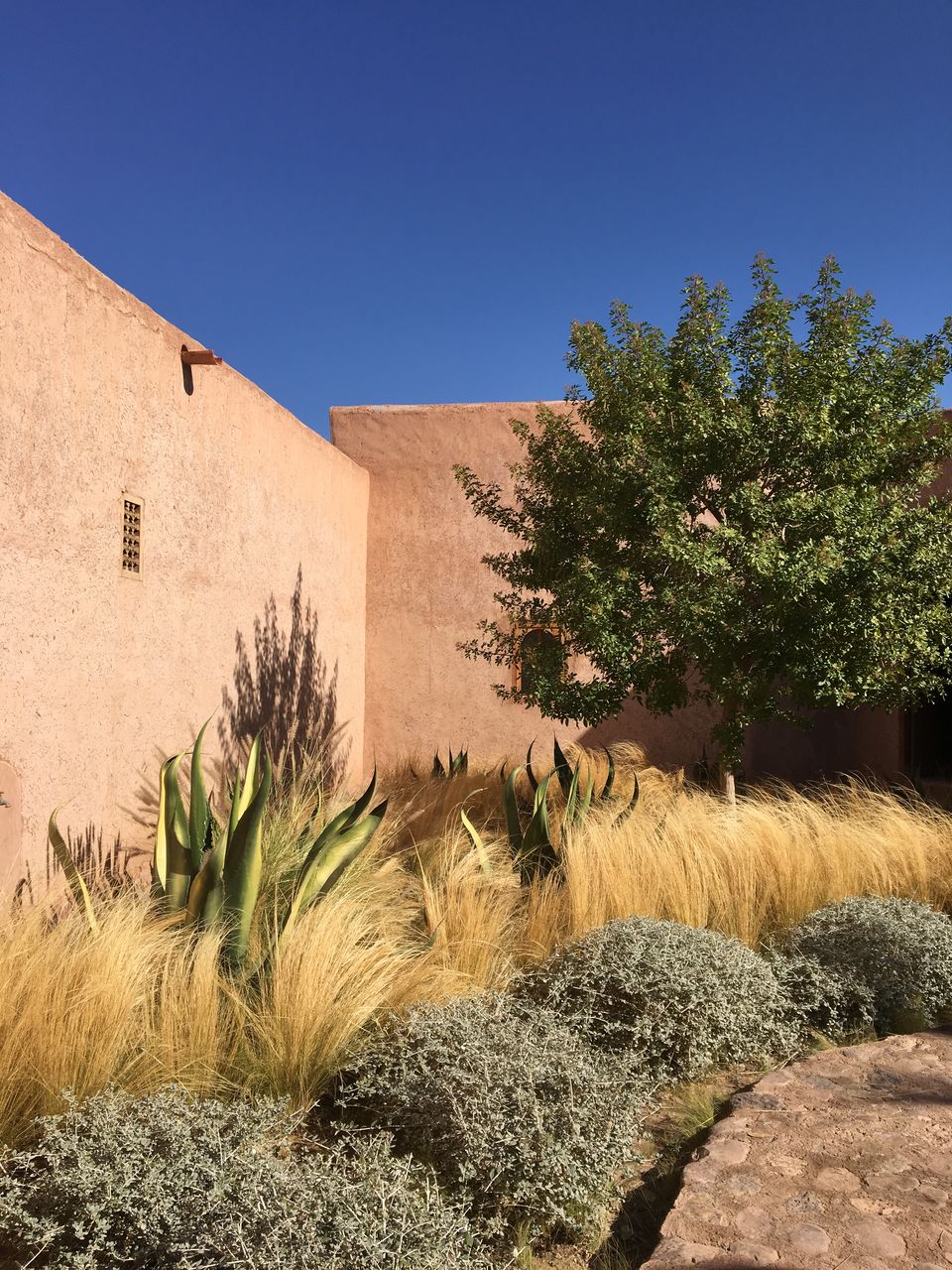
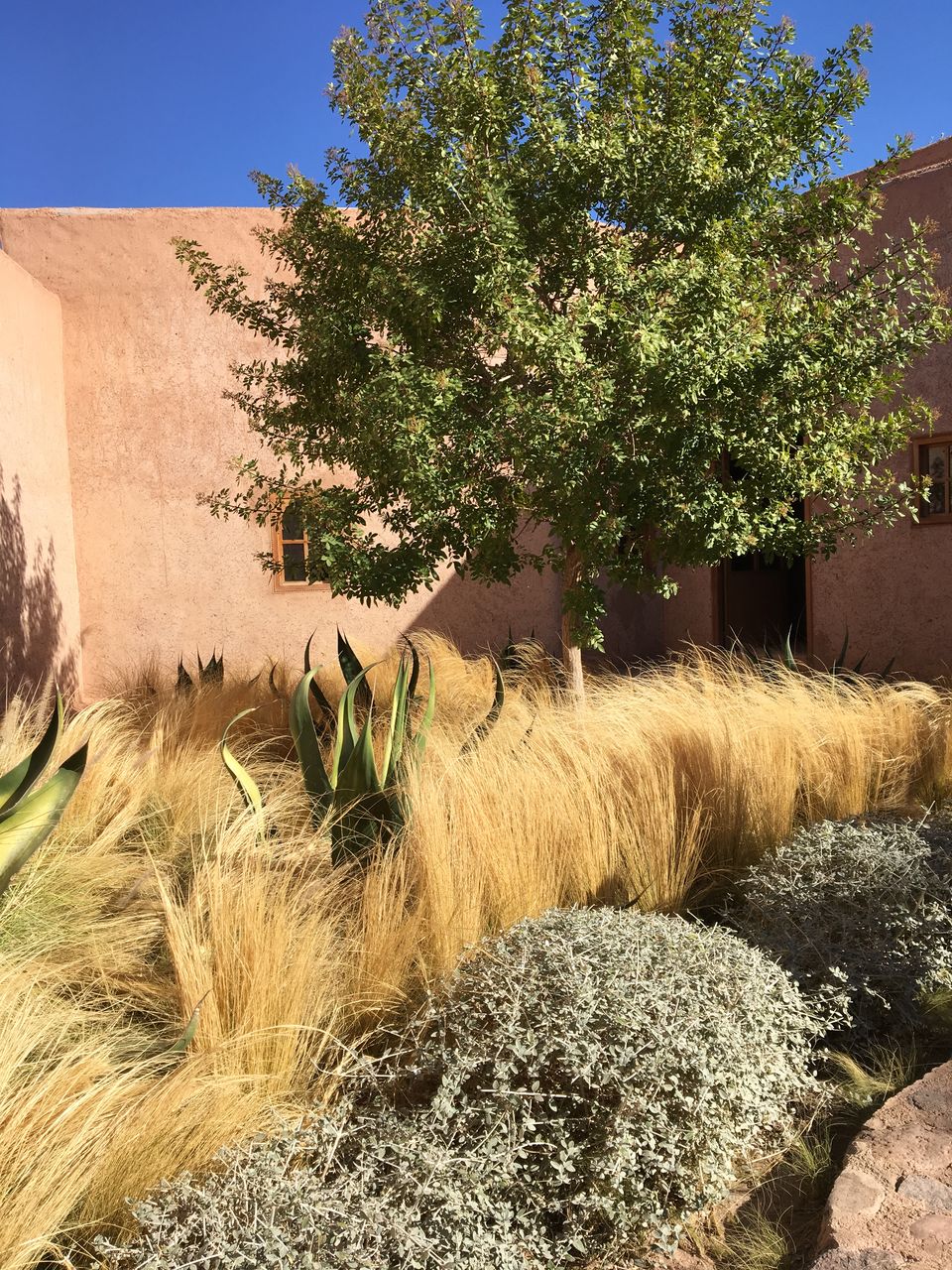
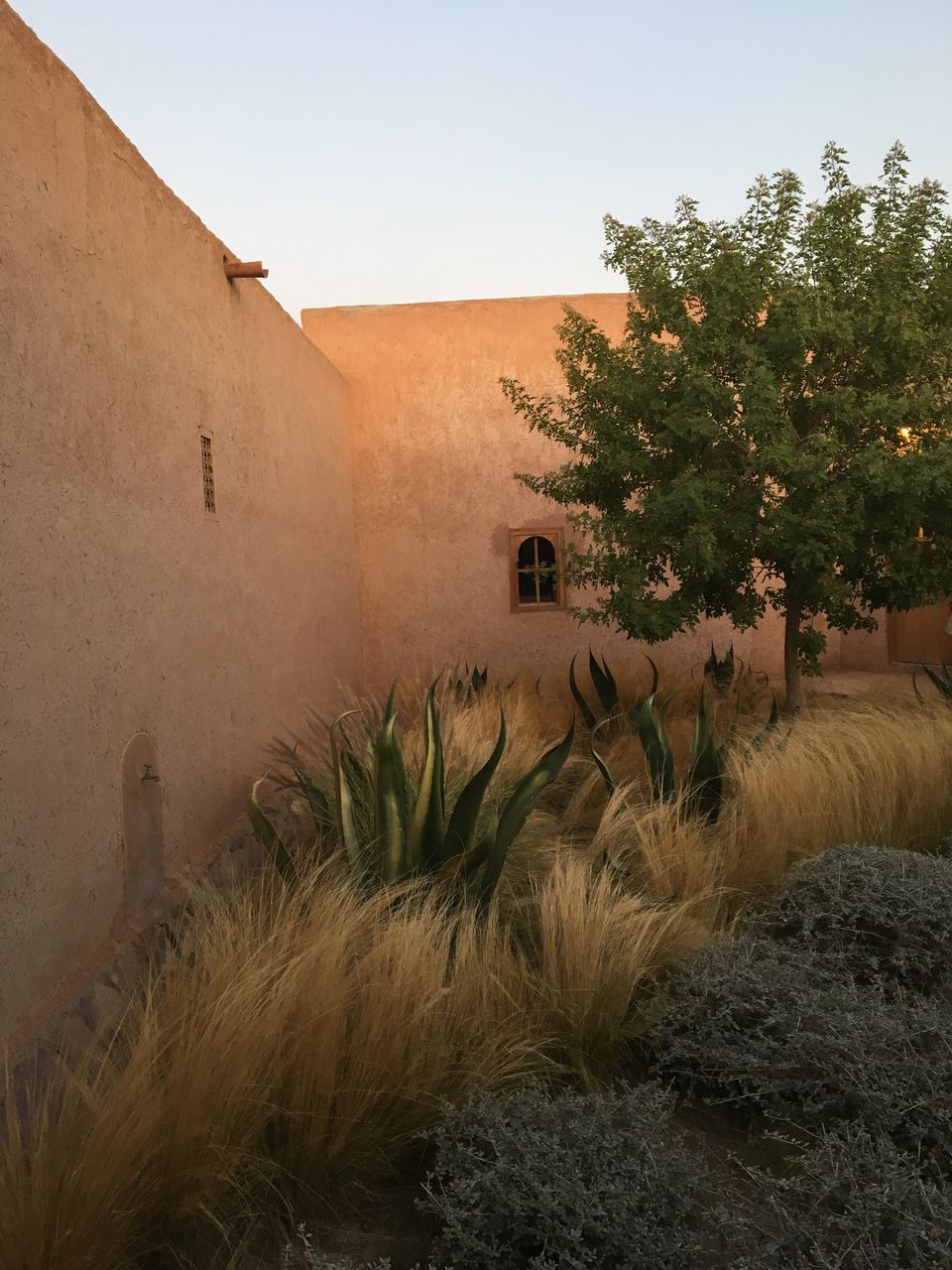
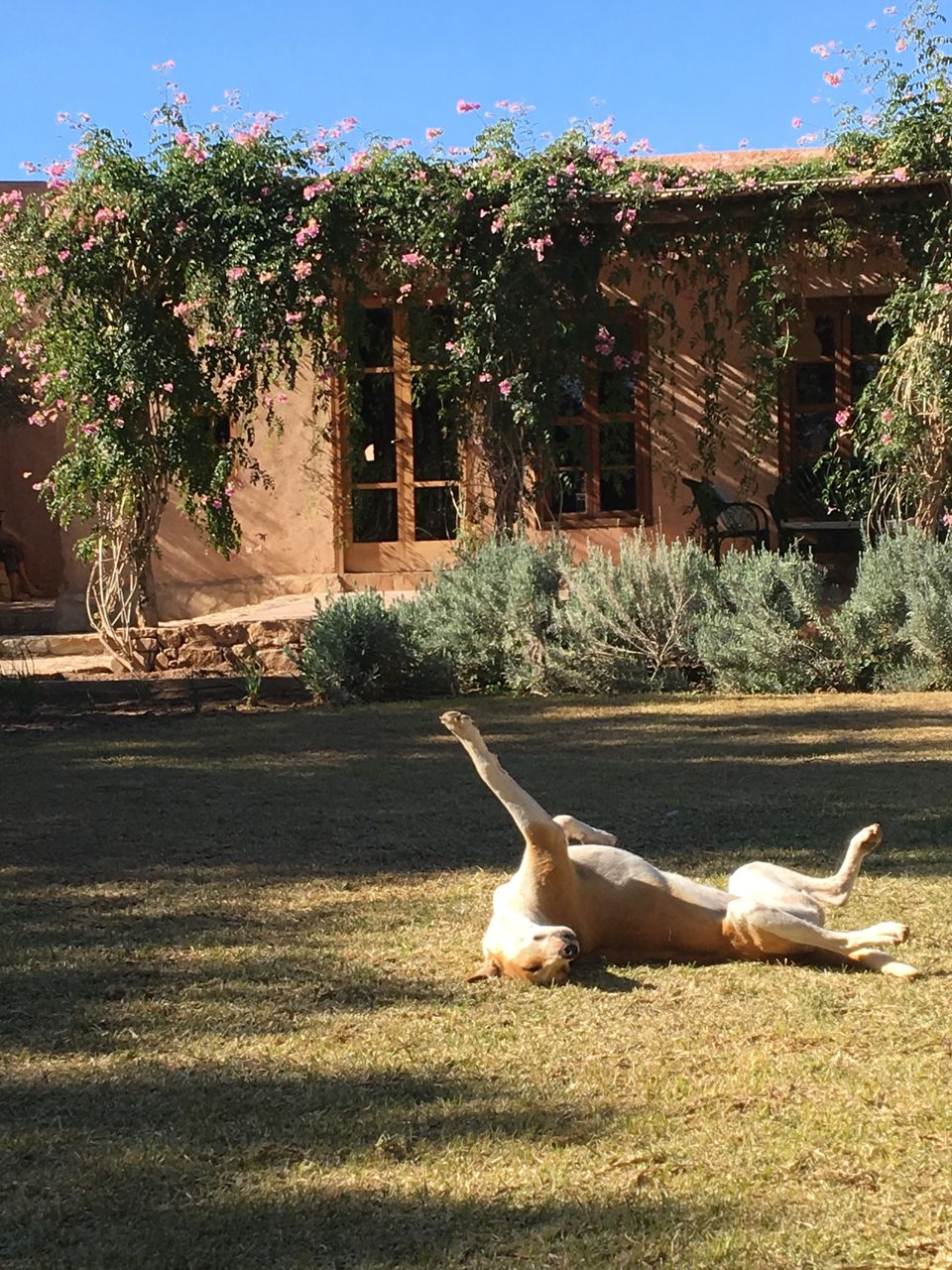
The project was born from the wish to tell a different Morocco, far from the more touristy image of the medina. Here luxury does not mean opulence but time, silence and the simplicity of essential things. The days pass slowly between the shade of the olive trees, the pool set in the garden, the scents of the vegetable garden and the light that keeps changing colour on the rammed-earth walls.
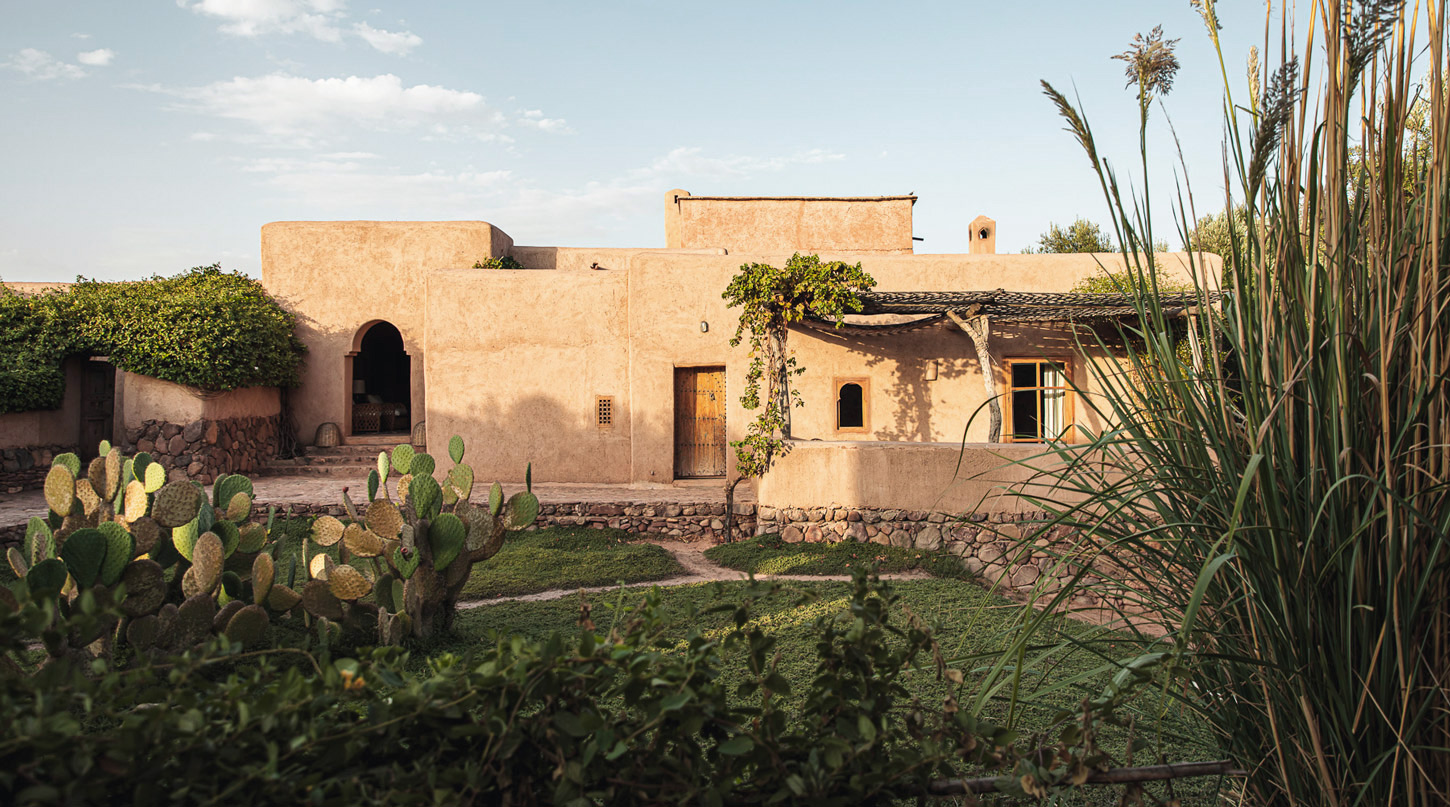
Design destination, a place to stayThe lodge is a love story between the owner, the village of Oumnass and its people… My aim was to discover and celebrate Berber culture, its customs, its rules, its craftsmanship and its architecture.
Romain Michel-Ménière
Building with the earth, not on it
Berber Lodge grew out of the vision of Franco-Swiss interior designer Romain Michel-Ménière, who has lived in Morocco for over twenty years. After numerous projects in the hospitality world, he decided to create a place able to tell the story of Berber culture through its architecture, its craftsmanship and its daily relationship with the land. To develop this vision he brought in his friends Karl Fournier and Olivier Marty of Studio KO, authors among other works of the Musée Yves Saint Laurent in Marrakech, and landscape architect Arnaud Casaus.
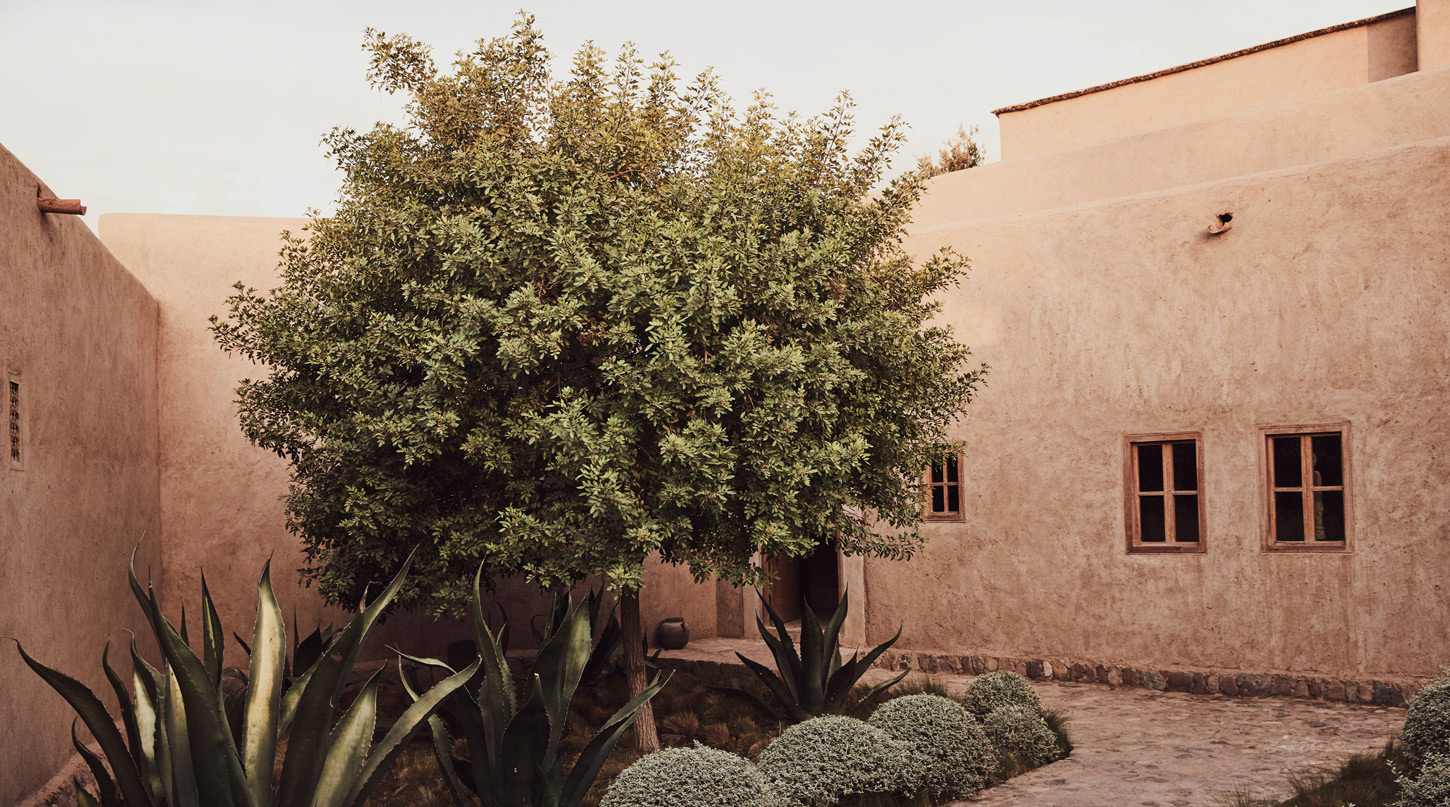
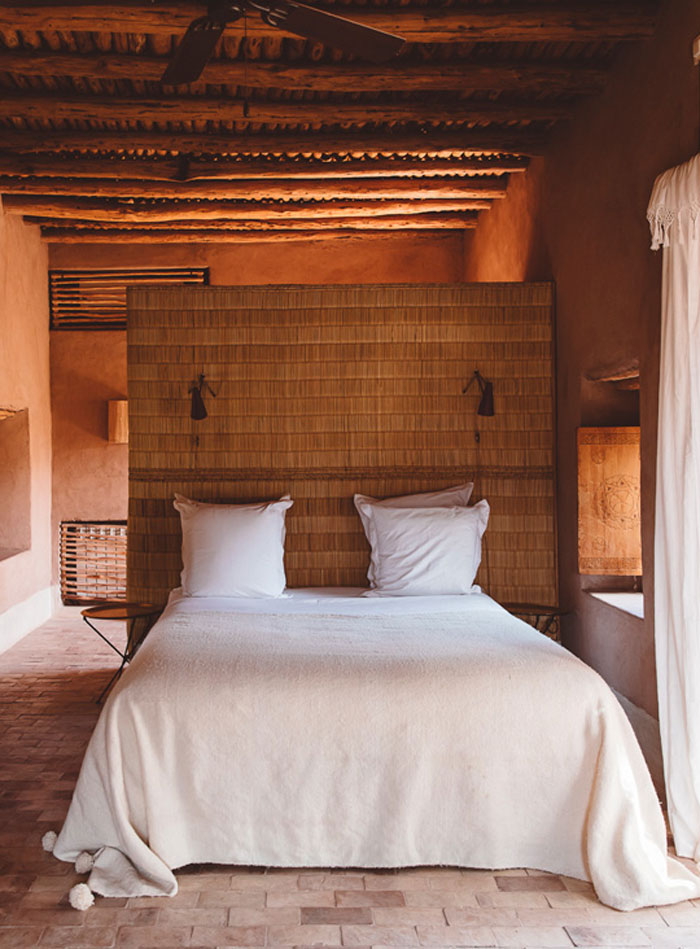
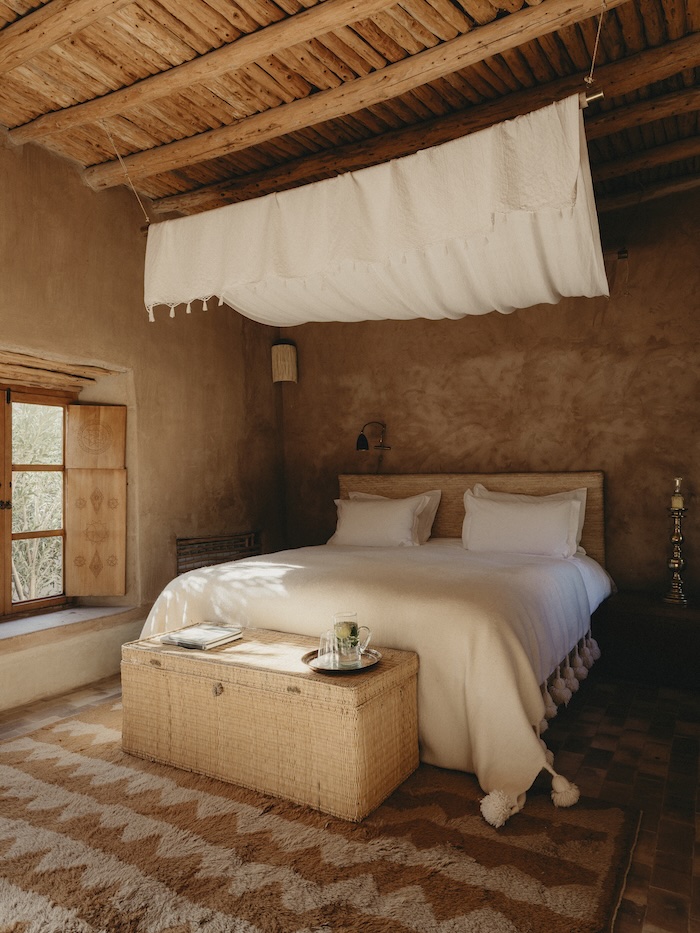
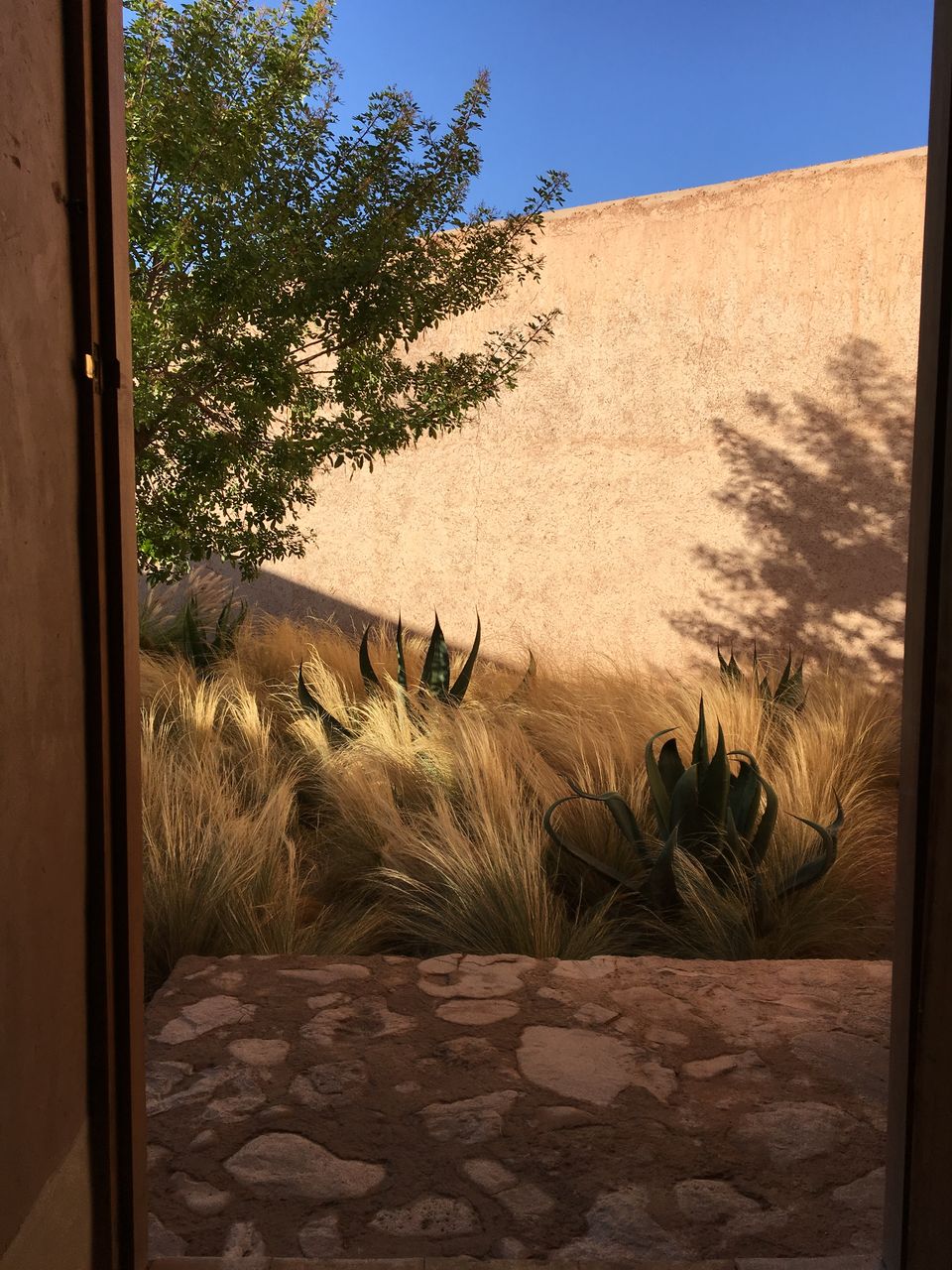
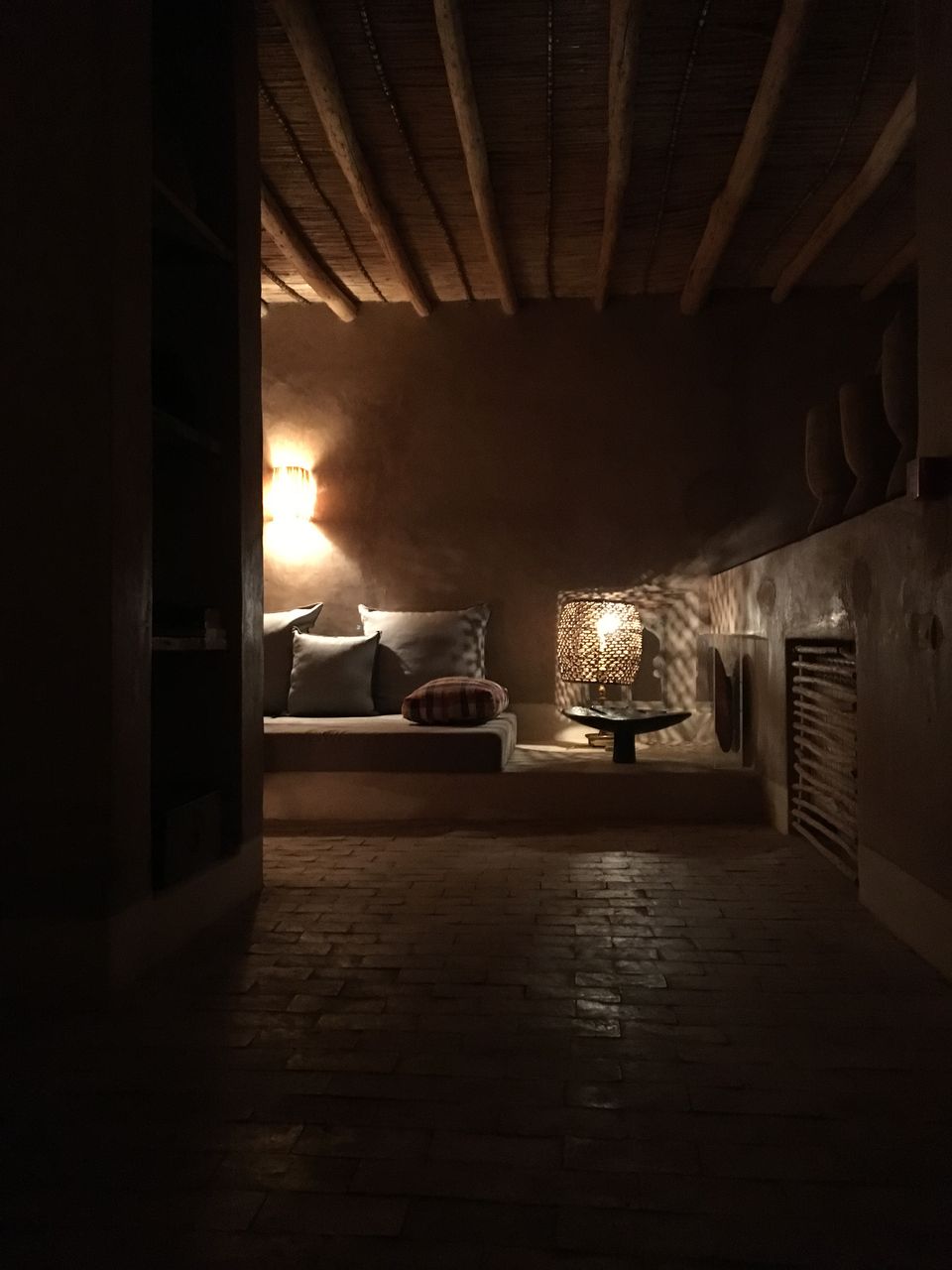
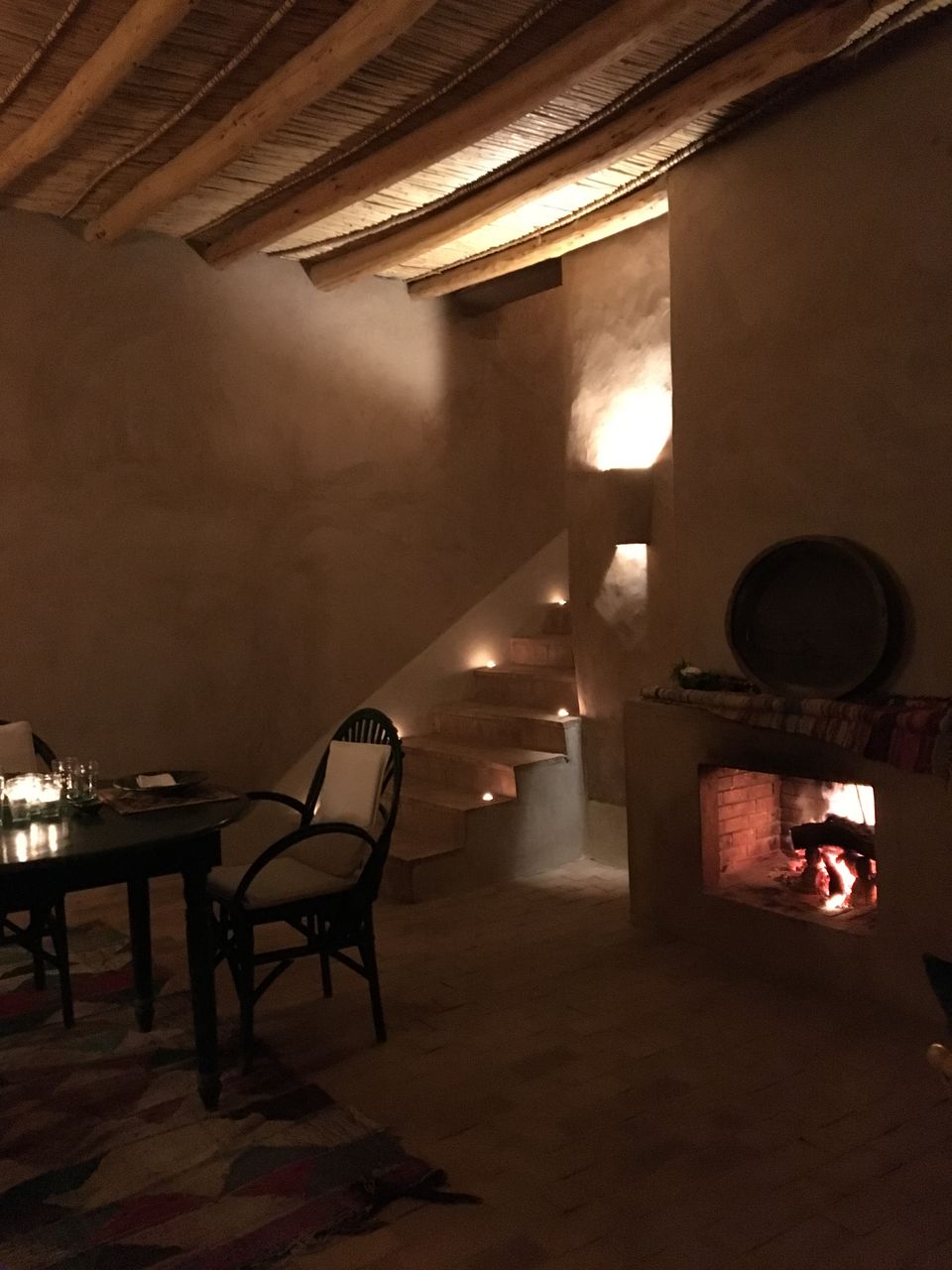
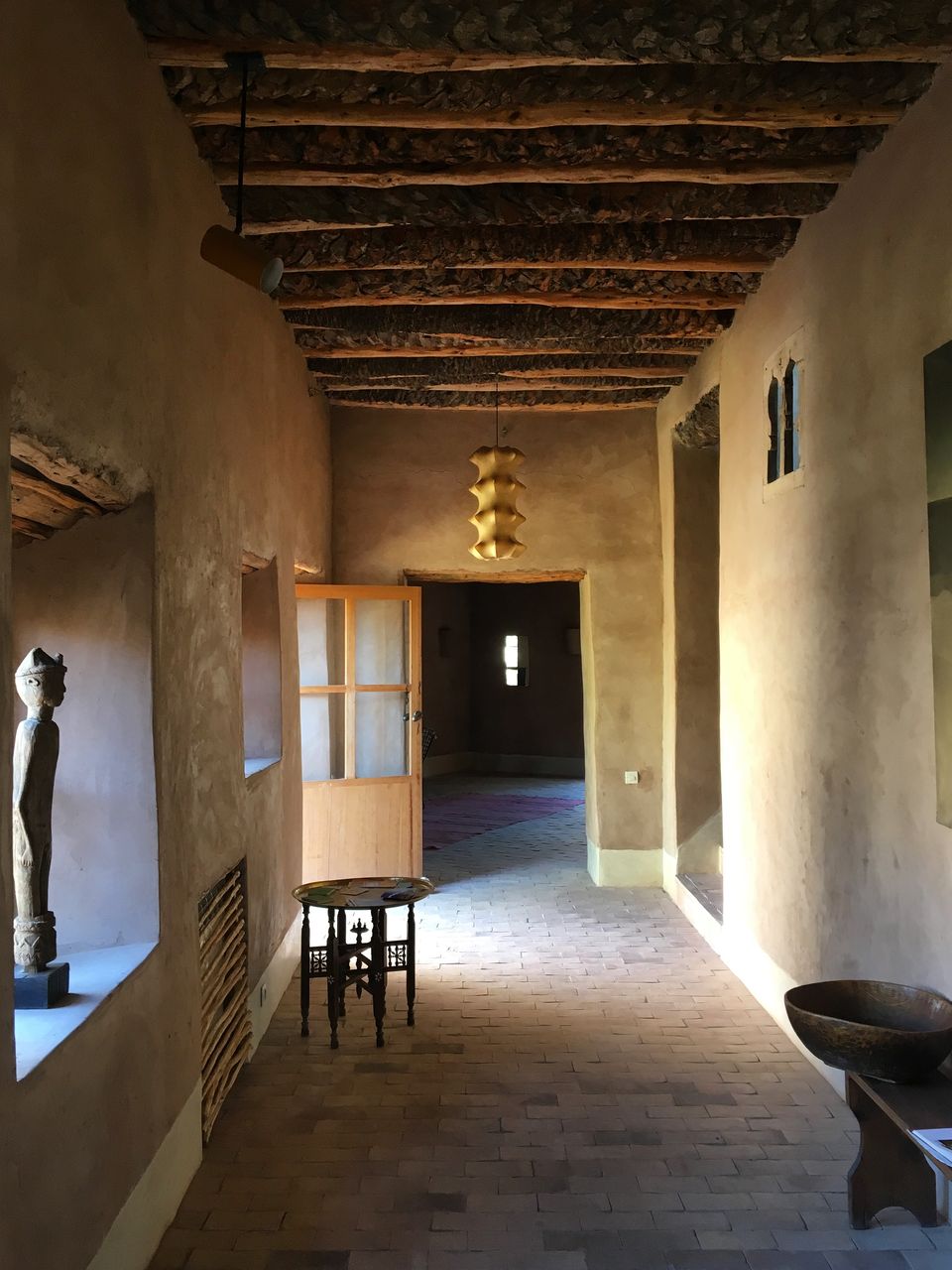
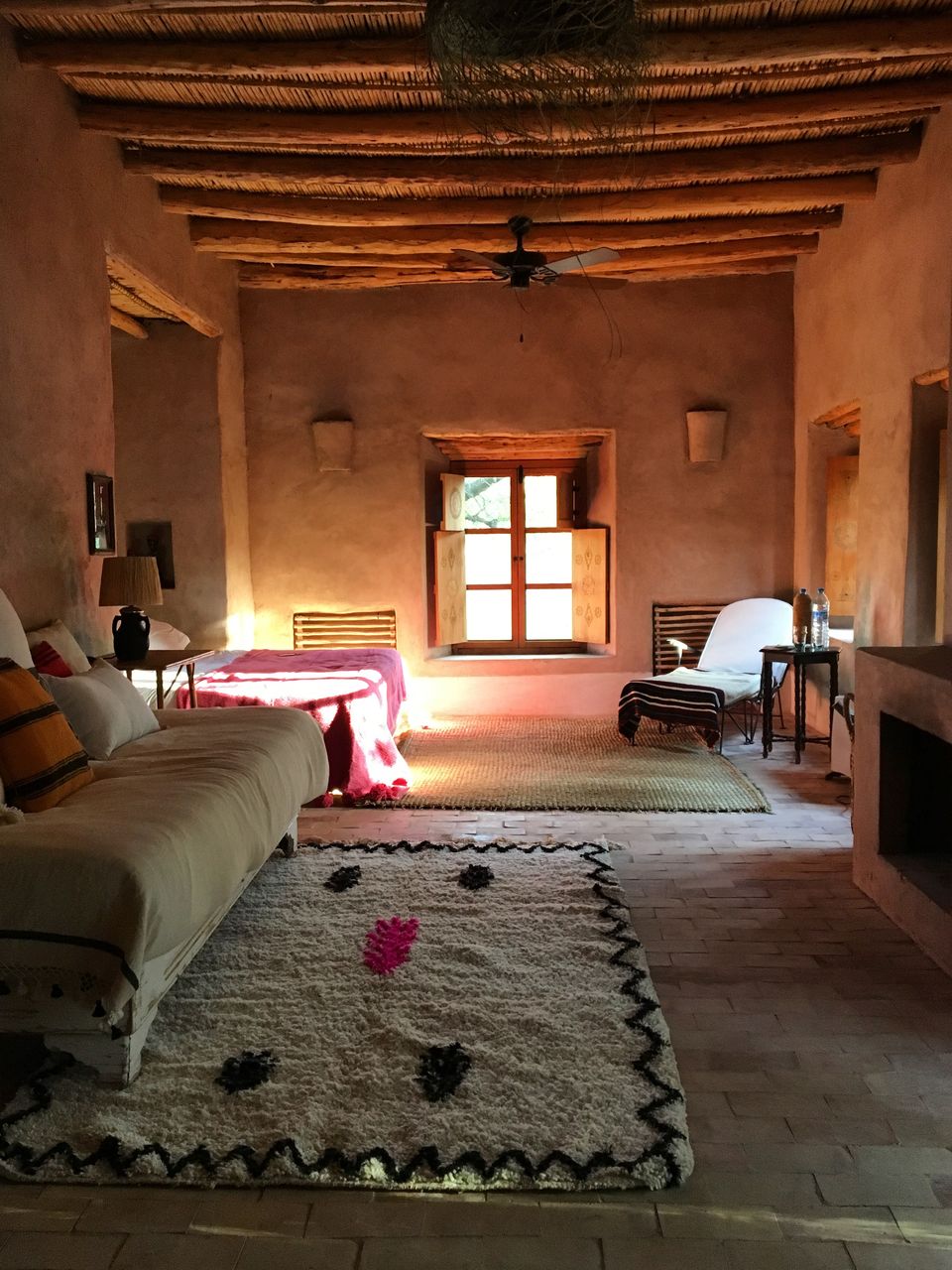
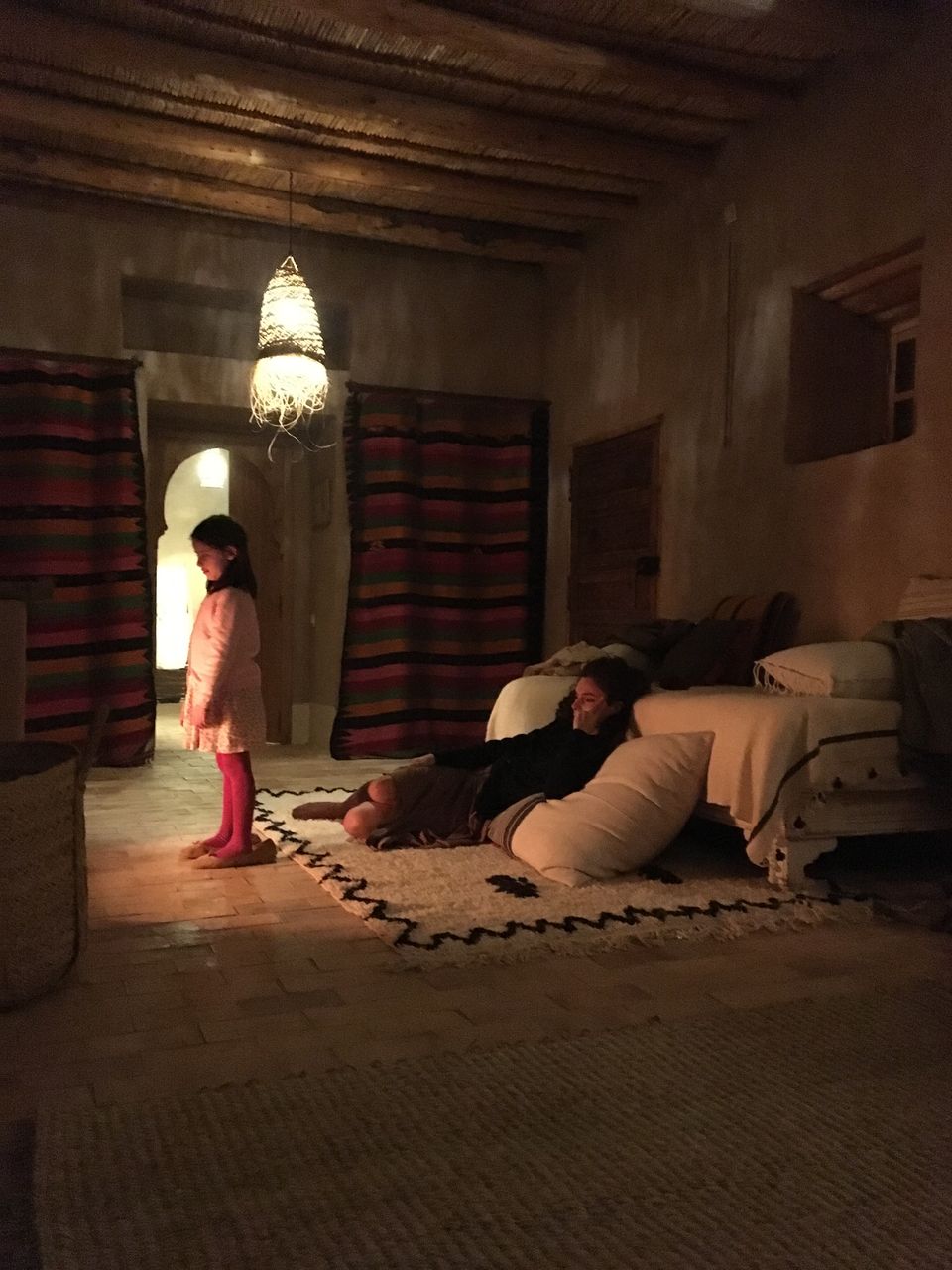
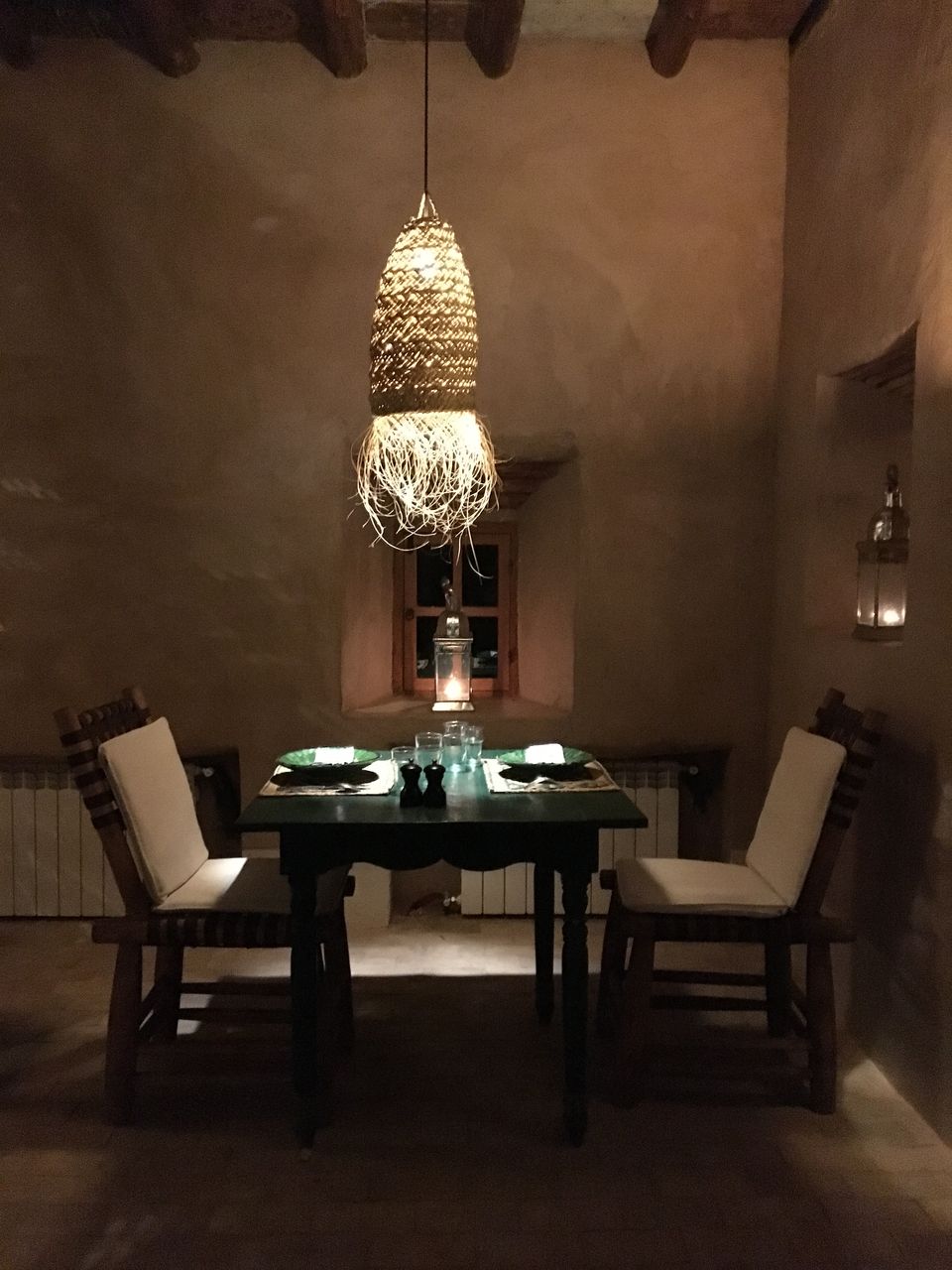
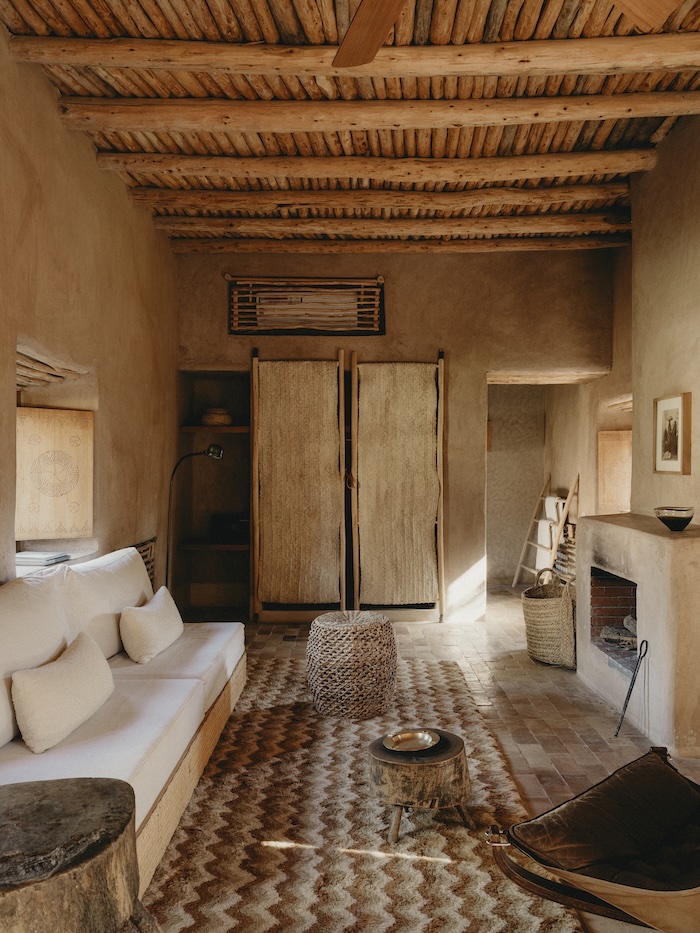
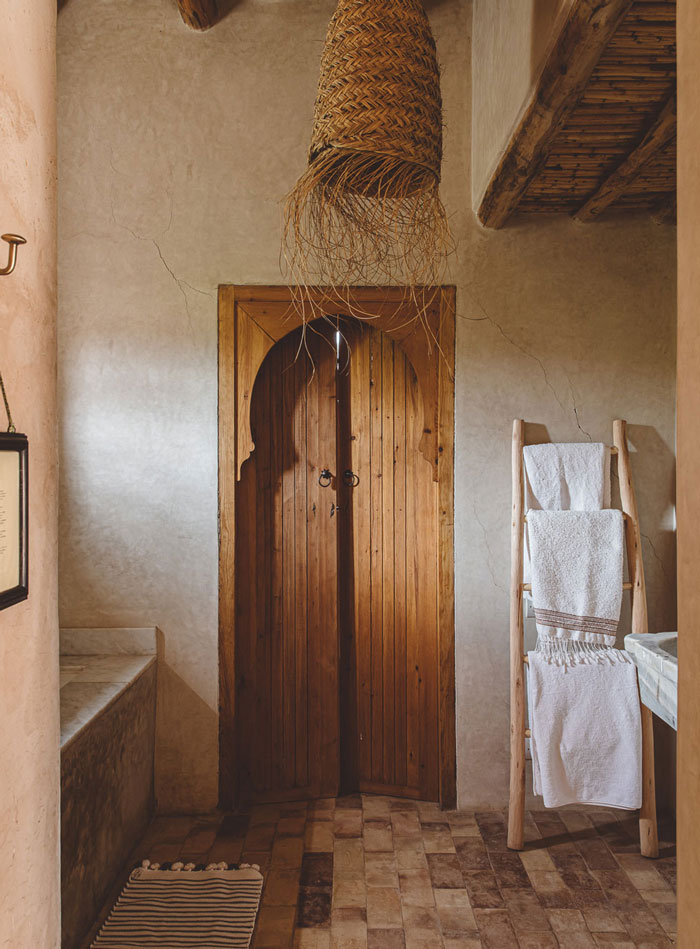
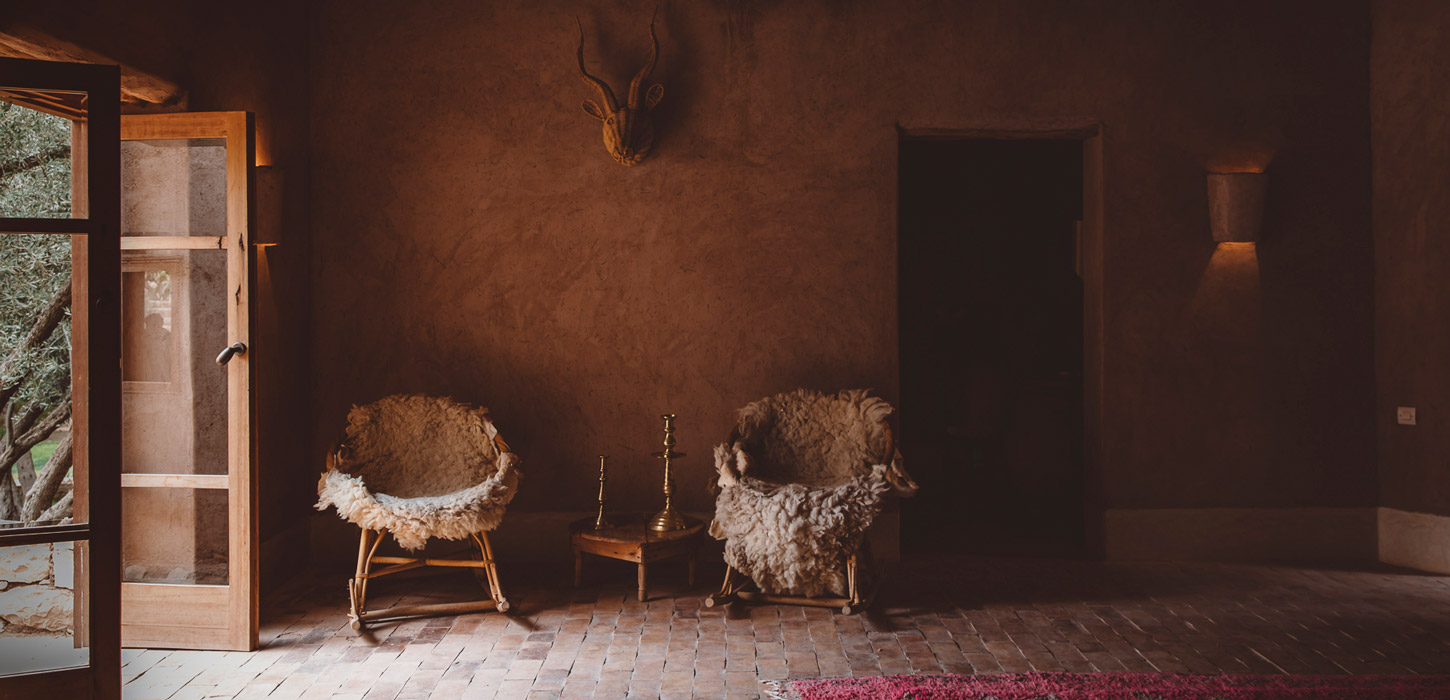
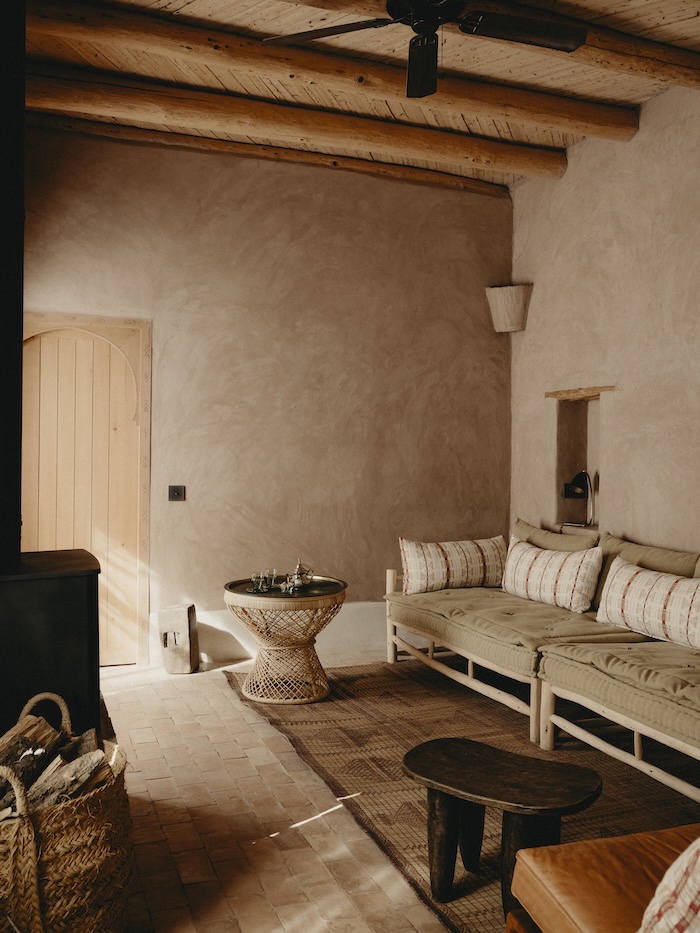
The result is not an aesthetic reinterpretation of Moroccan architecture, but a project built on the same logic that shaped traditional Berber villages. The bricks are made from the earth of the site, the ceiling beams are eucalyptus, Atlas cedar and wild bamboo, while the terracotta tiles are handmade in the nearby village. Every existing olive tree was kept and the garden grew around the trees, never the other way round.
Property
13 independent lodges
Amenities
20 m pool, organic vegetable garden, restaurant
Location
Oumnass, 30 min from Marrakech
Points of interest
Agafay desert, High Atlas
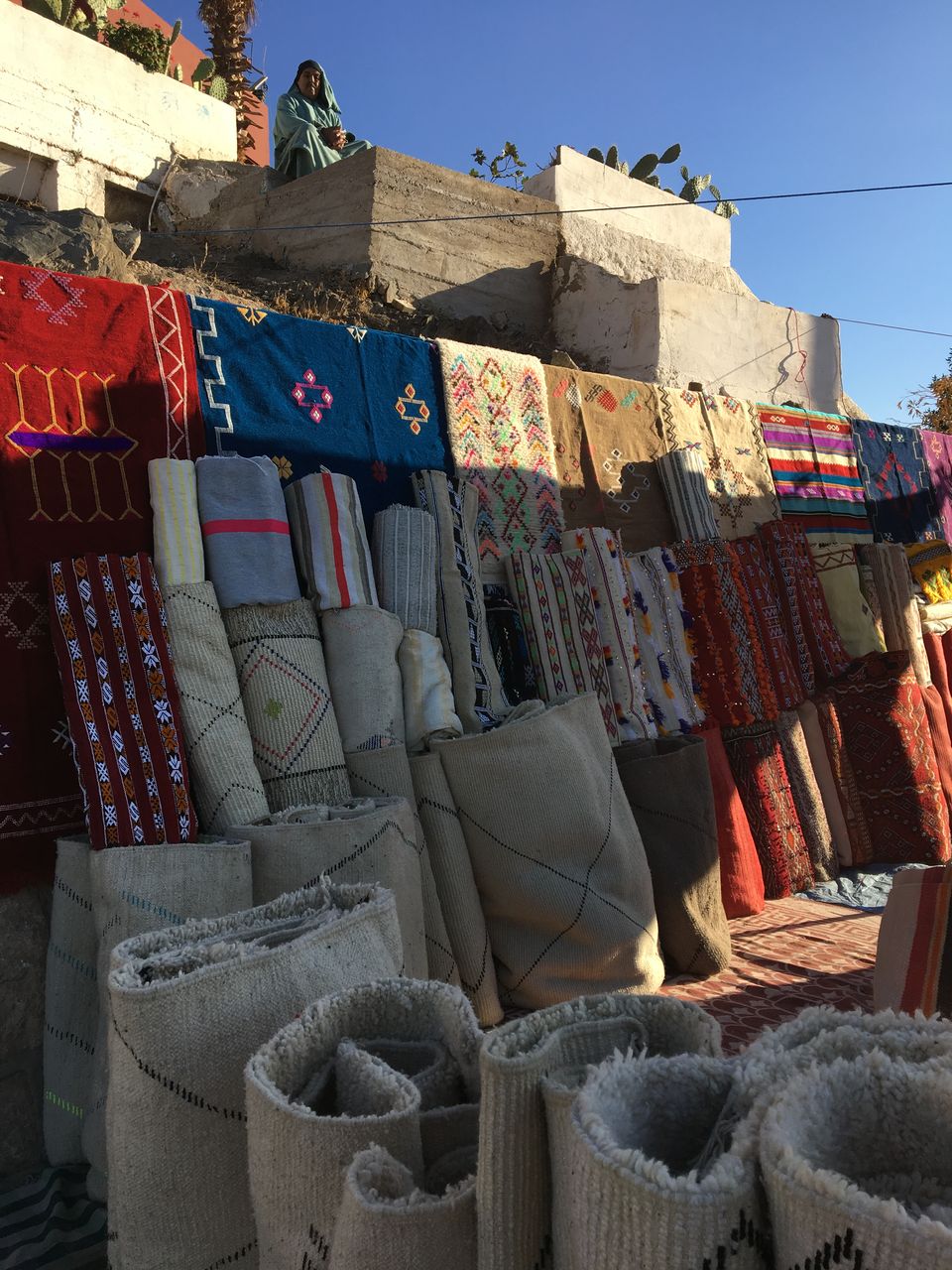
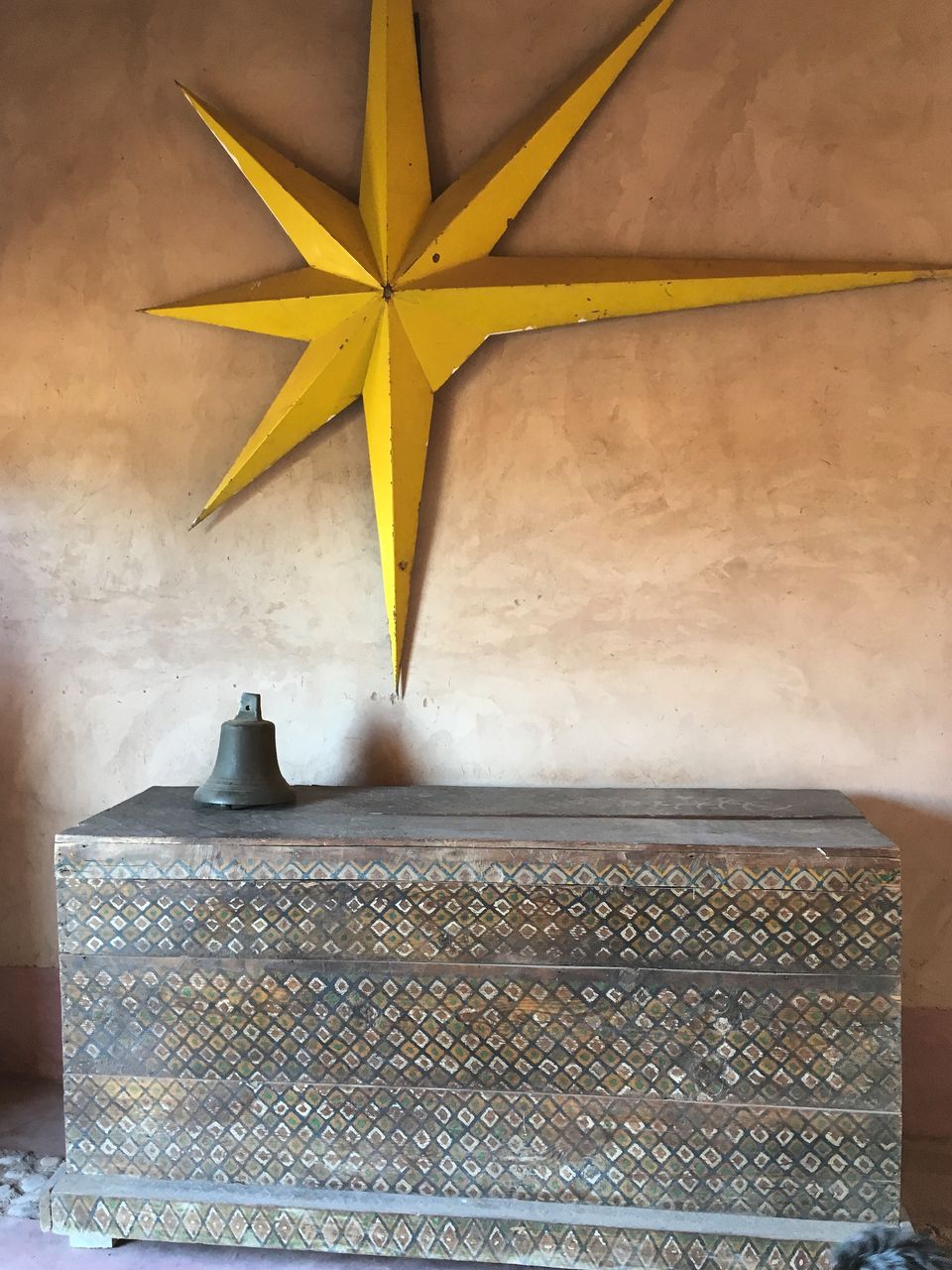
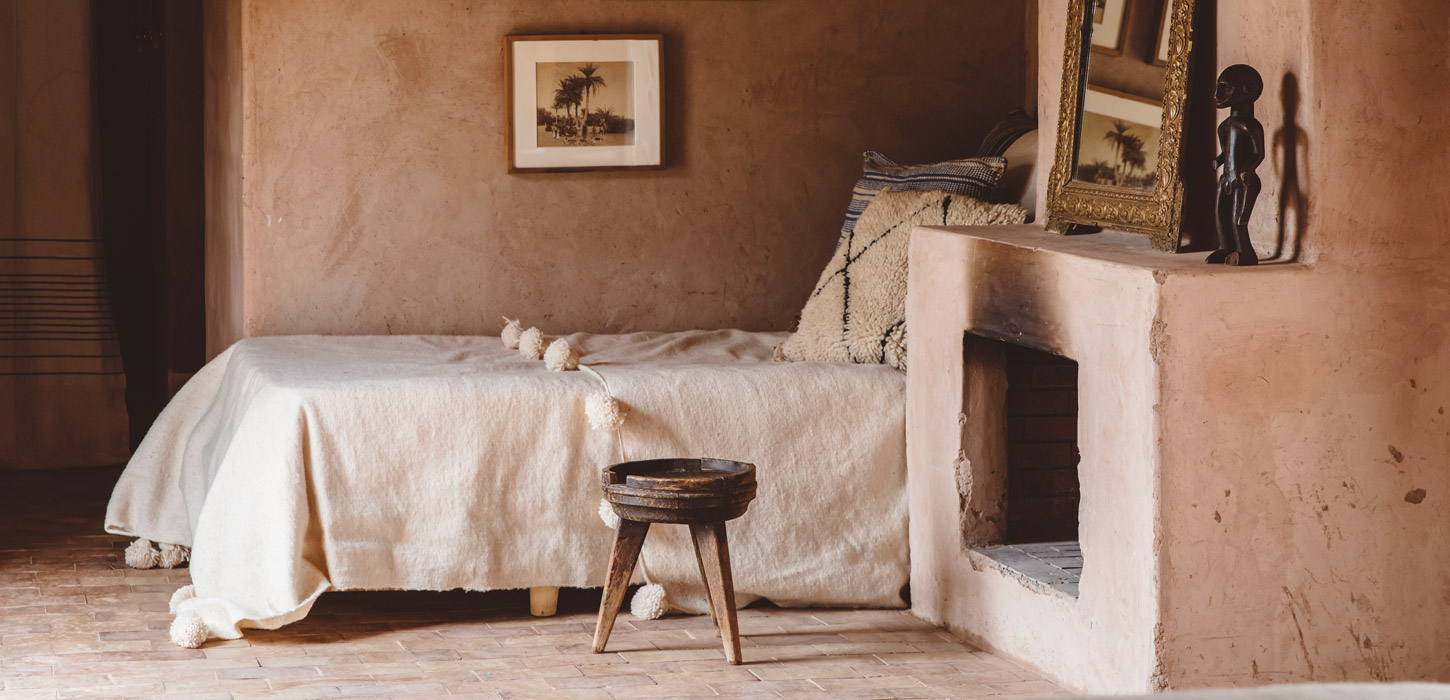
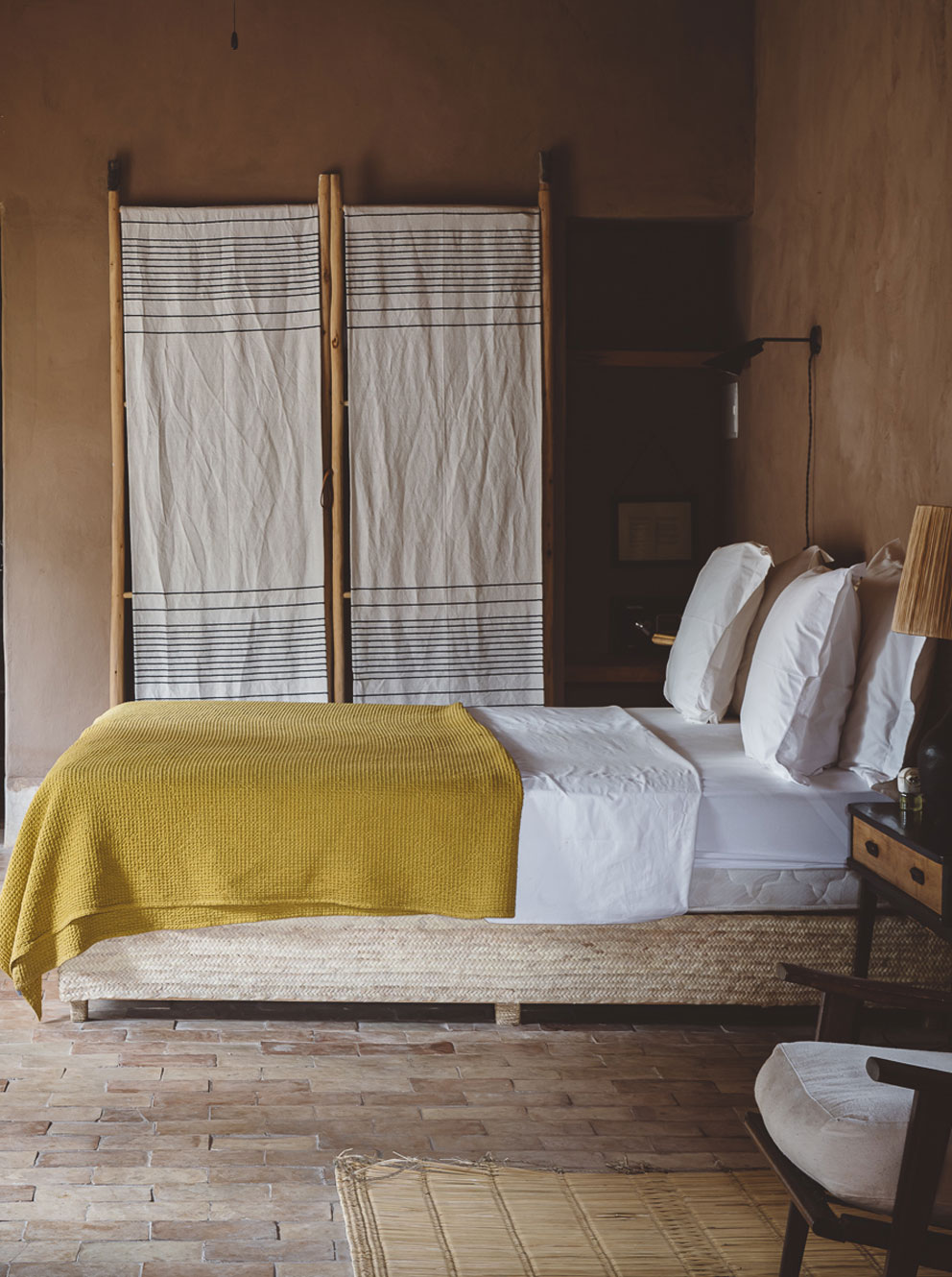
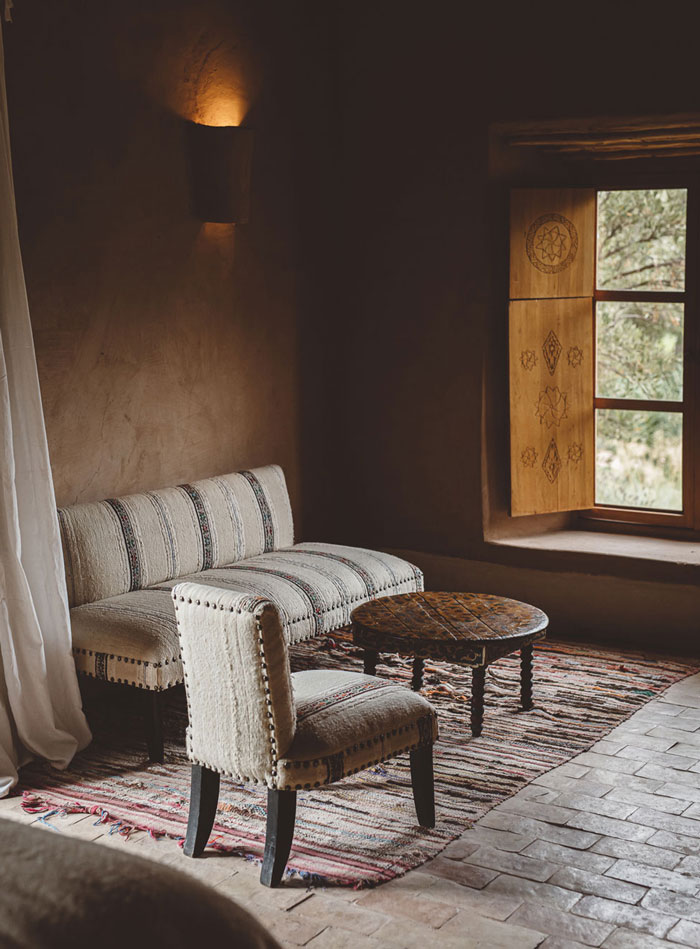
The interiors tell the same story: twentieth-century furniture sits alongside Berber chests, rattan seating, Moroccan ceramics, hand-woven rugs and objects Romain has gathered over the years on his travels. Nothing feels staged or theatrical: the atmosphere is that of a large family home, where every element seems to have found its place on its own.
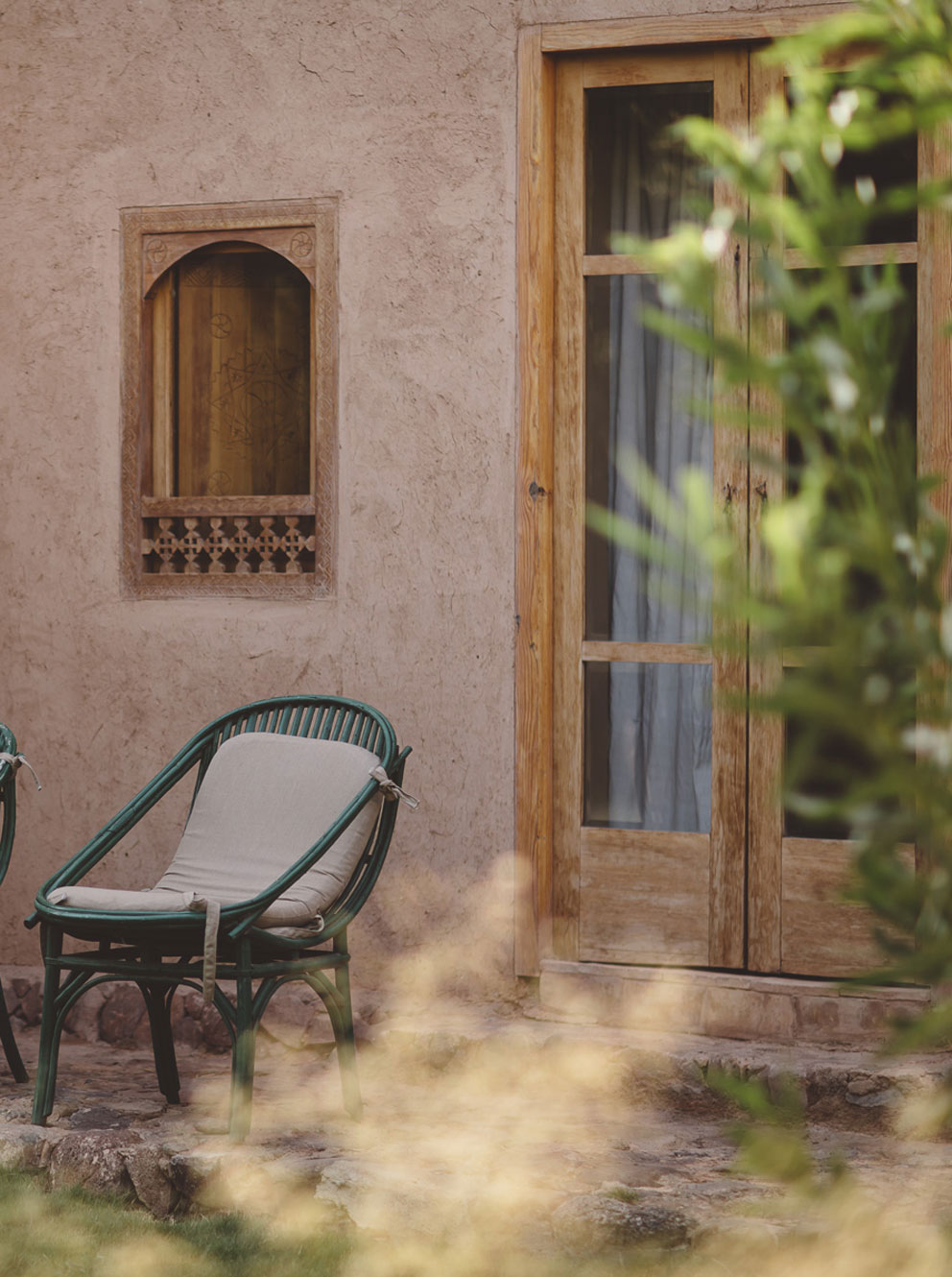
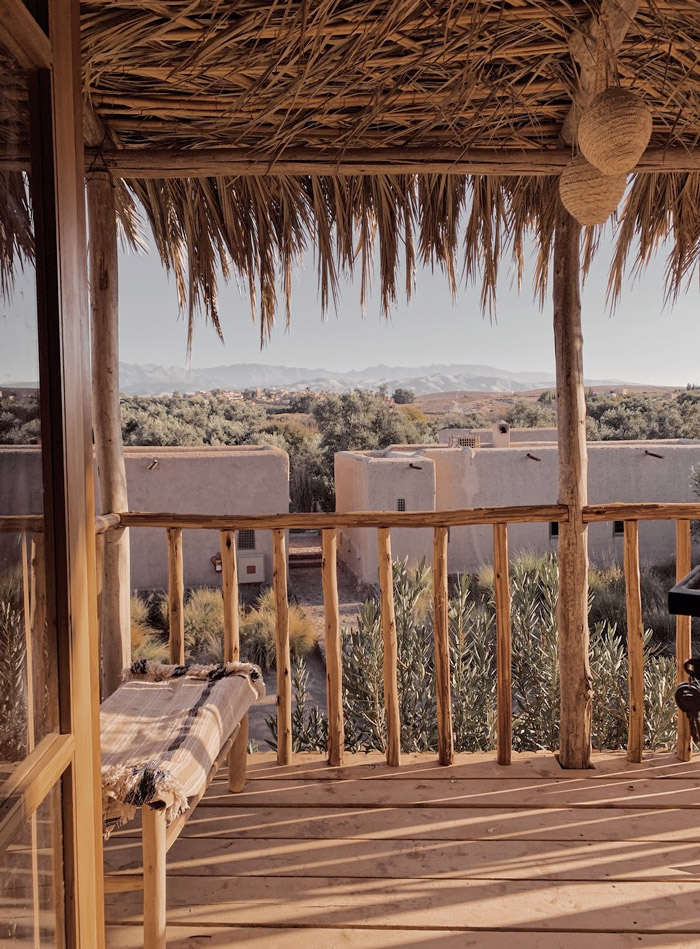
The thirteen accommodations, all independent, are scattered through the olive grove like small houses. Fireplaces, private terraces, rammed-earth walls, tadelakt bathrooms and large openings onto the garden turn each lodge into a quiet, secluded space, where comfort comes from the relationship with the landscape rather than from technology.
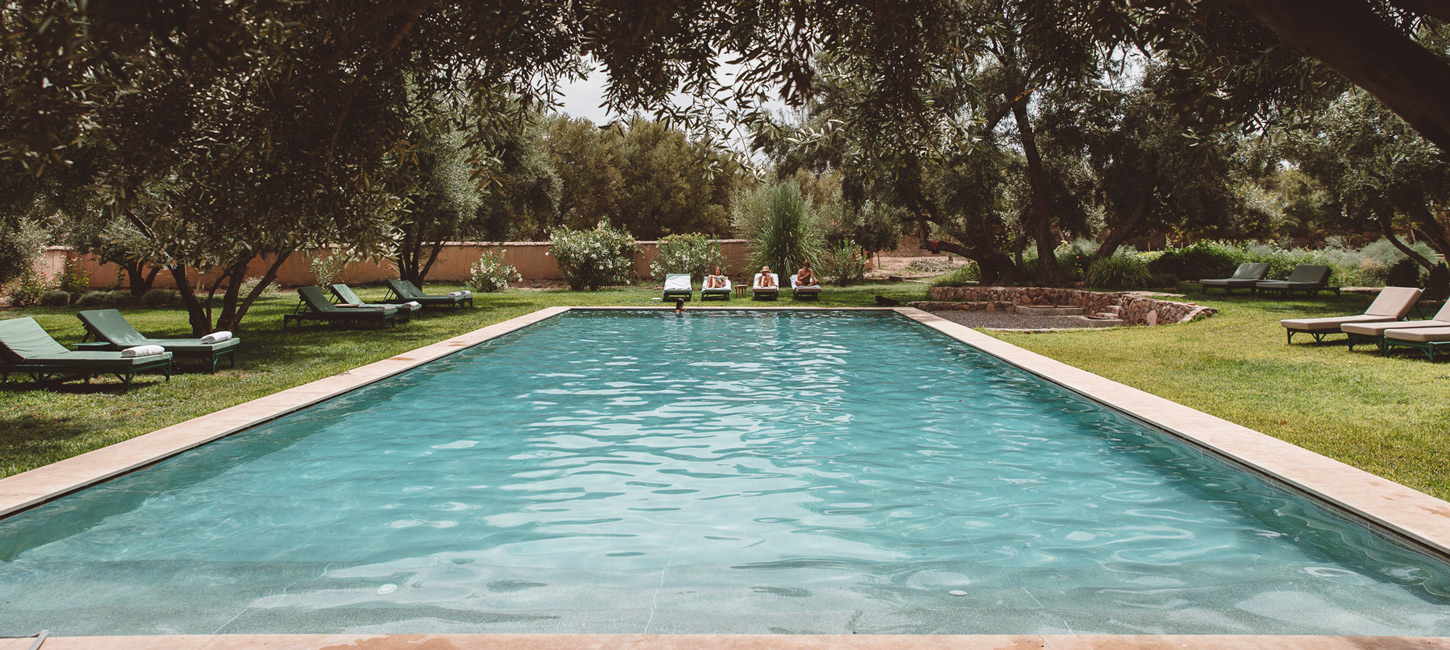
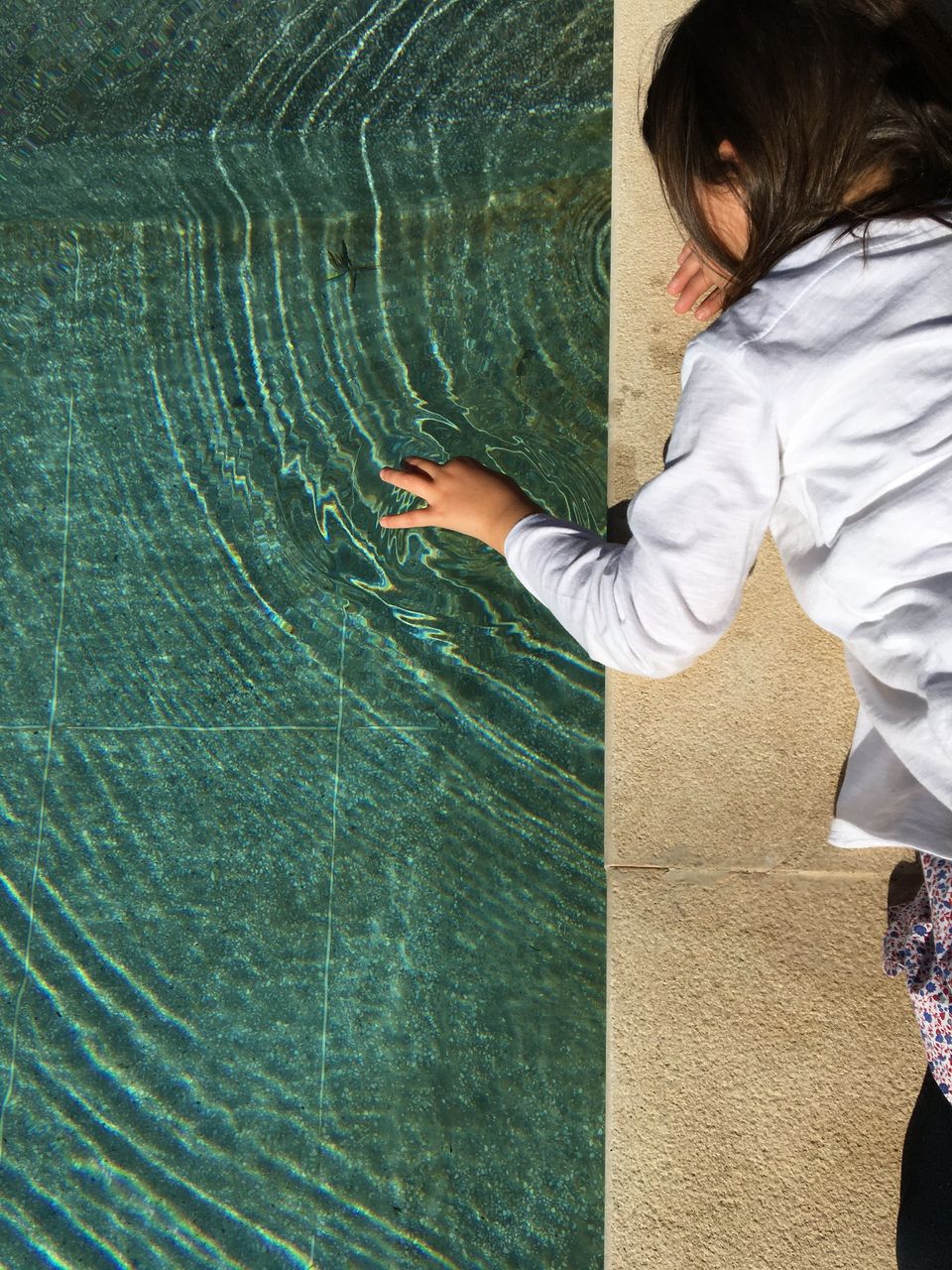
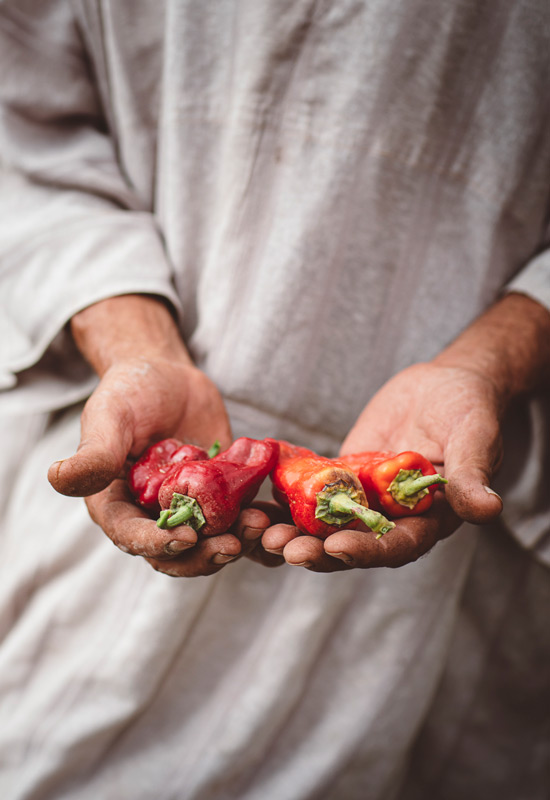
The heart of the lodge is the twenty-metre pool, set among the centuries-old olive trees. It is the centre of communal life: a place to read, to meet, to share a dinner or simply to watch the slow passing of Moroccan days. Around it lie the organic vegetable garden, the restaurant and the aromatic gardens that feed the kitchen every day.

Another Morocco
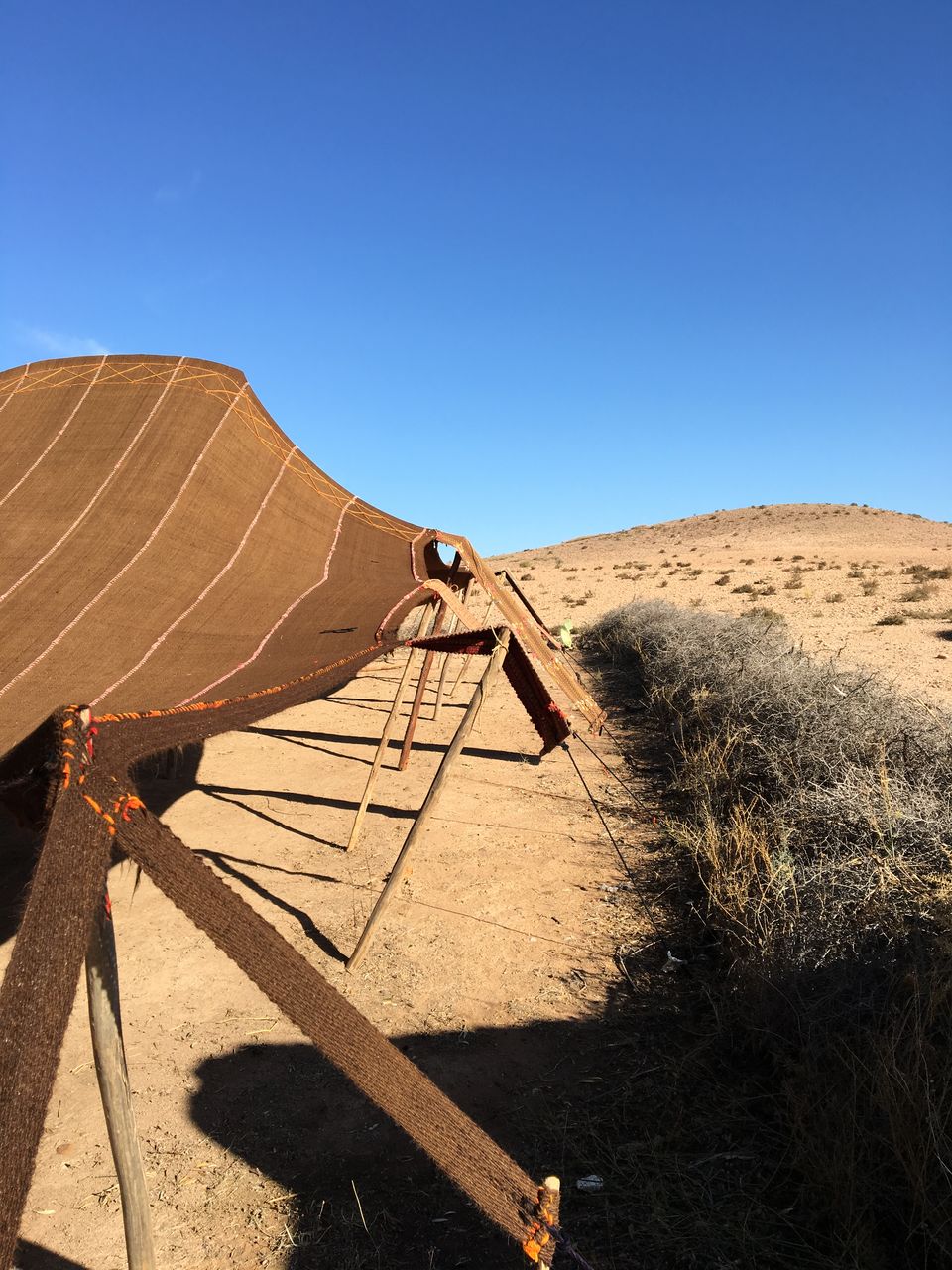
Berber Lodge stands in Oumnass, a small rural village at the foot of the High Atlas, in an area where farming and Berber culture still set the rhythm of daily life. The landscape here is made of olive groves, vegetable gardens, red earth and villages built with the same materials used for centuries. The lodge was born precisely from the wish to celebrate this identity, involving local craftsmen, builders and ceramists in the construction of the buildings and relying on knowledge handed down by the Berber building tradition.
The experience continues beyond the stay: walks through the villages, visits to weaving workshops, excursions into the Agafay desert, local markets and meetings with artisans bring guests into contact with an authentic Morocco, far from the beaten track. It is a journey that goes beyond hospitality and becomes a chance to understand a territory through the people who live in it.
Berber Lodge reminded me that the most successful project is the one that lets the place speak. Here architecture does not try to be the protagonist: it accompanies the landscape, respects its time and gives back the most authentic sense of dwelling.
Paolo Casati, Creative Director, Fuorisalone
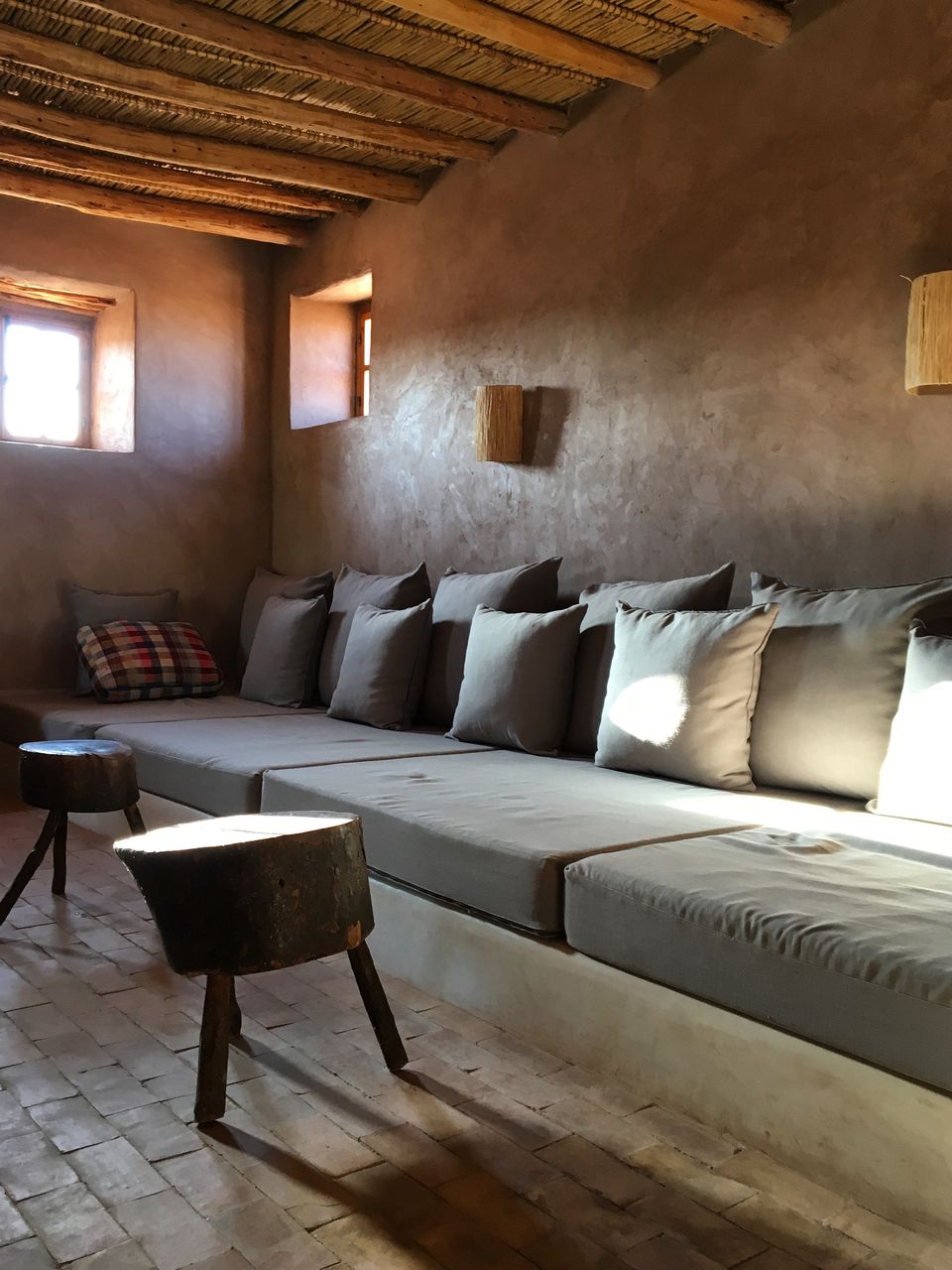
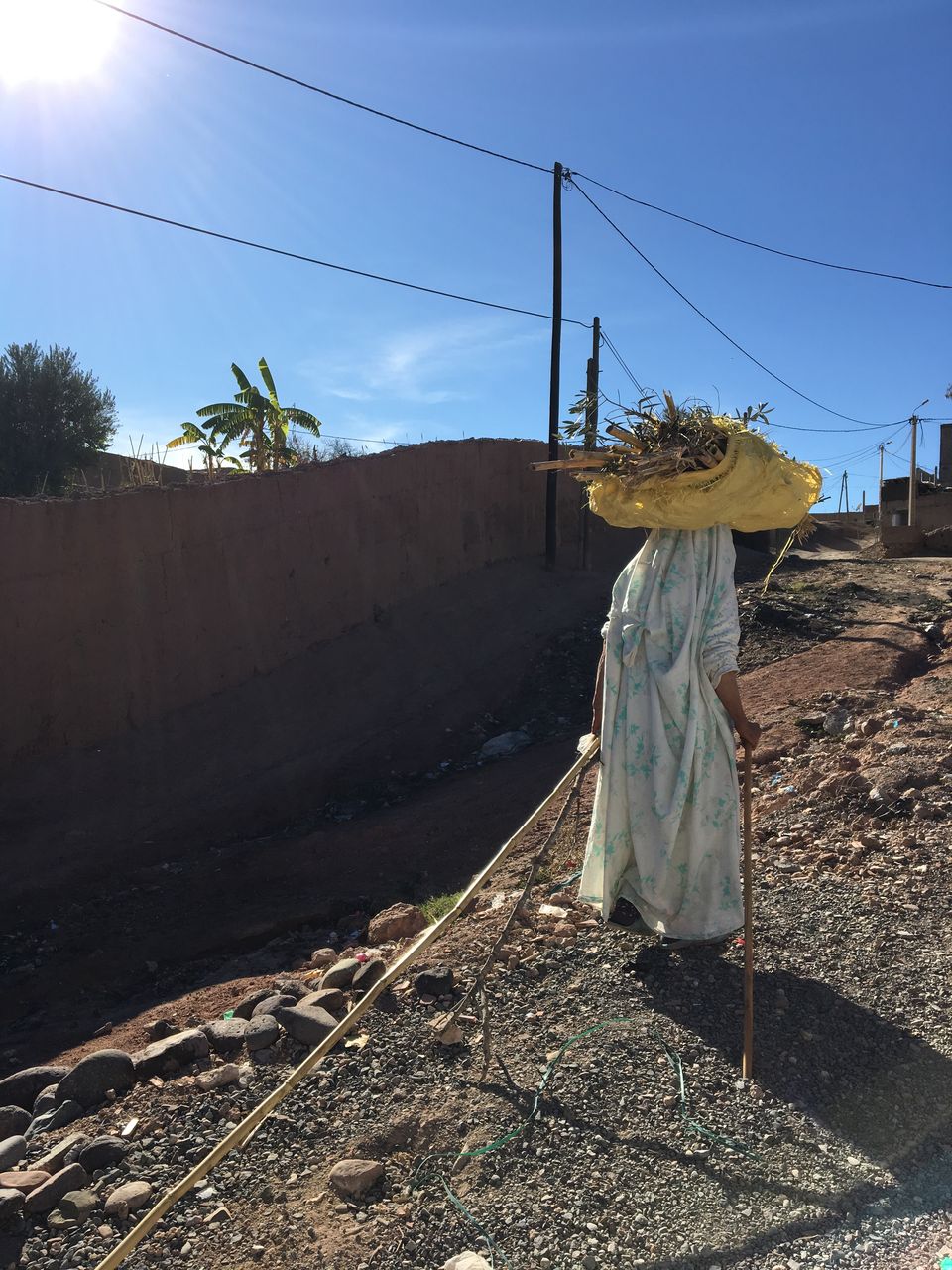
Images courtesy by Paolo Casati
Some places tell the story of a destination, others teach a different way of living it. Berber Lodge belongs to the second kind. Here every choice, from the earth the walls are built with to the ingredients picked in the garden, helps build an idea of hospitality that is slow, essential and deeply rooted in the land. More than a stay, it is an invitation to look at the landscape through the eyes of those who have always lived in it.
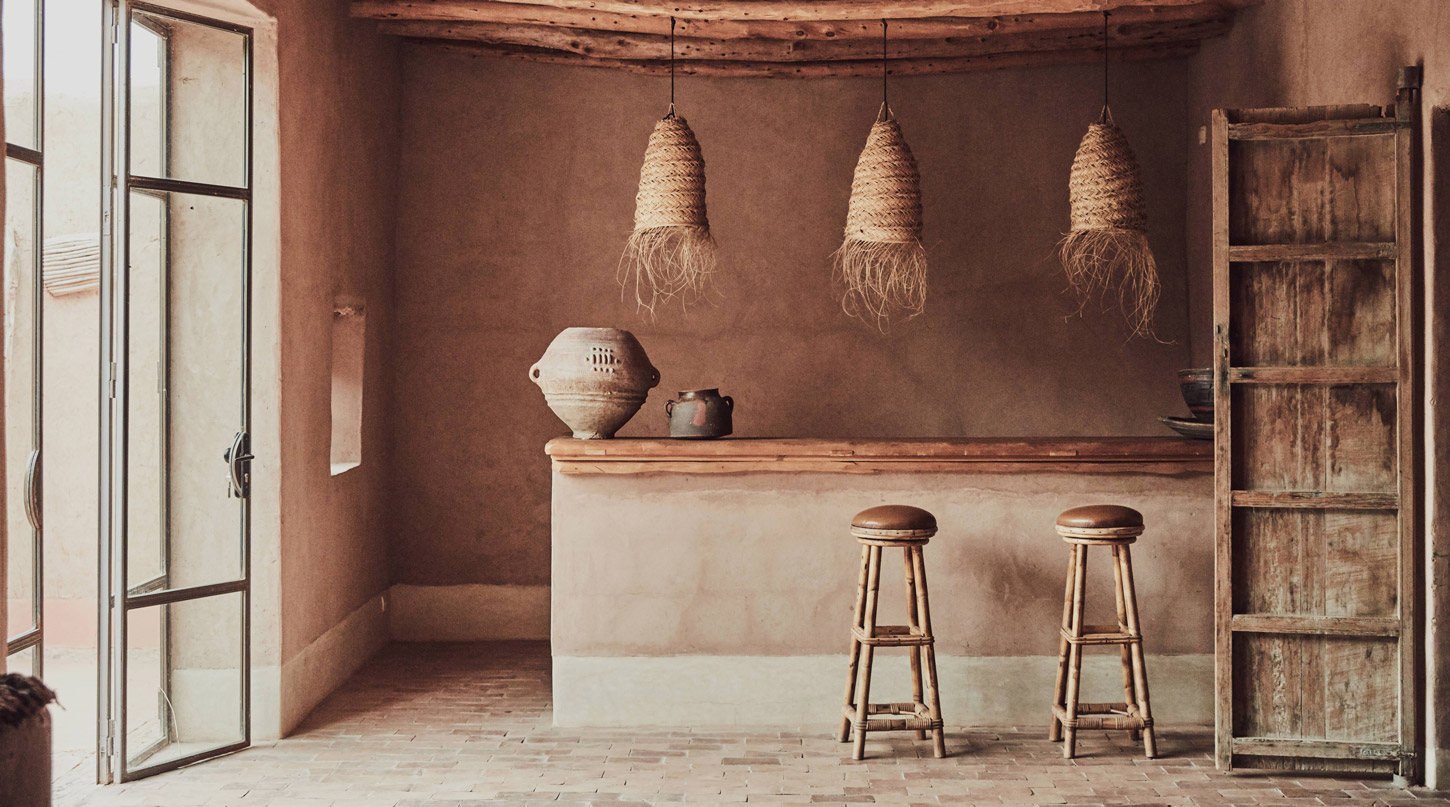
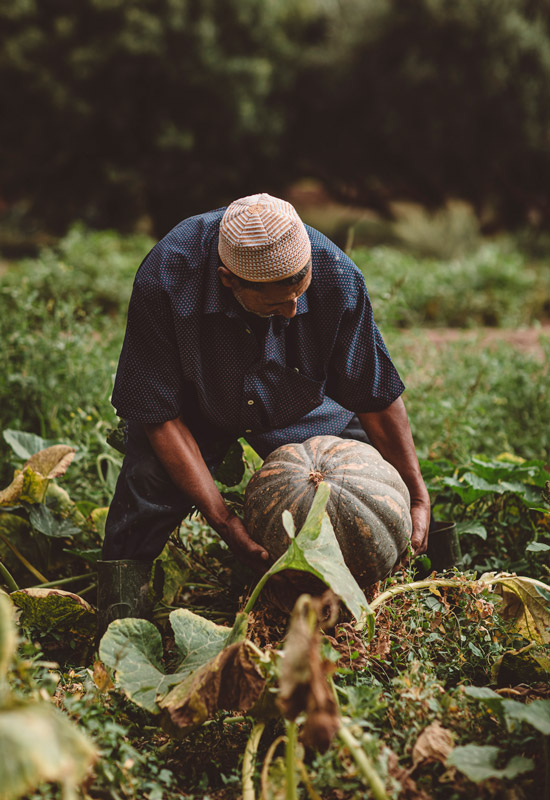
Photography © Berber Lodge / Sophia Van Den Hoek. All rights reserved. Images are used for editorial purposes only and remain the property of their respective authors.