Toile Blanche
From a house to a village
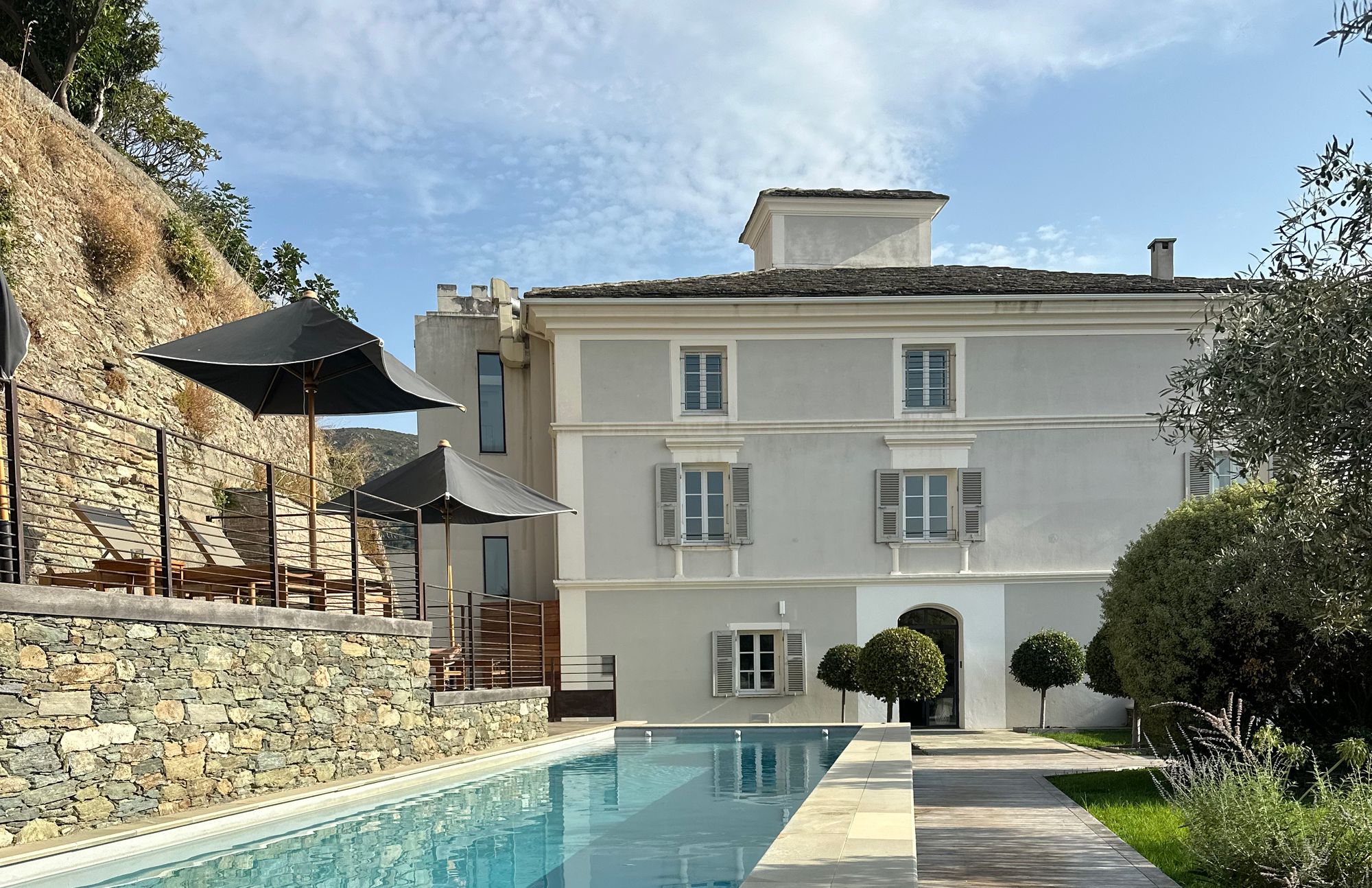
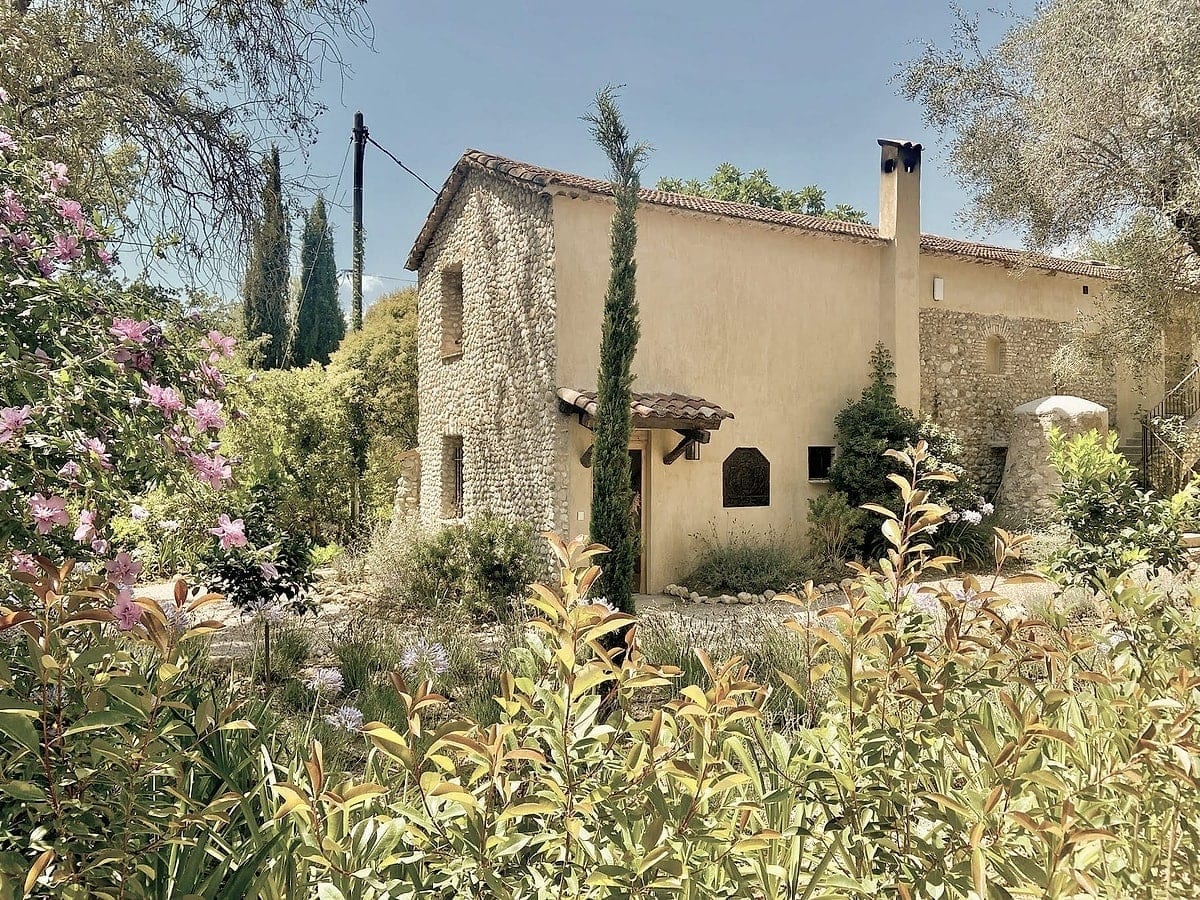
Toile Blanche's identity took shape long before there was any hotel project, and you notice it as soon as you arrive: this is a family property that has grown by successive additions. In 2004 the brothers Nicolas, Gilles and Gregory Leroy, Belgian artists working together since 1997 as the Leroy Brothers collective, came to Saint-Paul-de-Vence with their families and bought an old Provençal mas that had belonged to two sisters who grew vegetables and flowers, starting a small chambres d'hôtes business with a restaurant. Since then the project has grown slowly, house by house, by acquiring the neighbouring properties, restoring the existing buildings and adding new ones, until it became a small contemporary hameau set in 20,000 square metres of gardens.
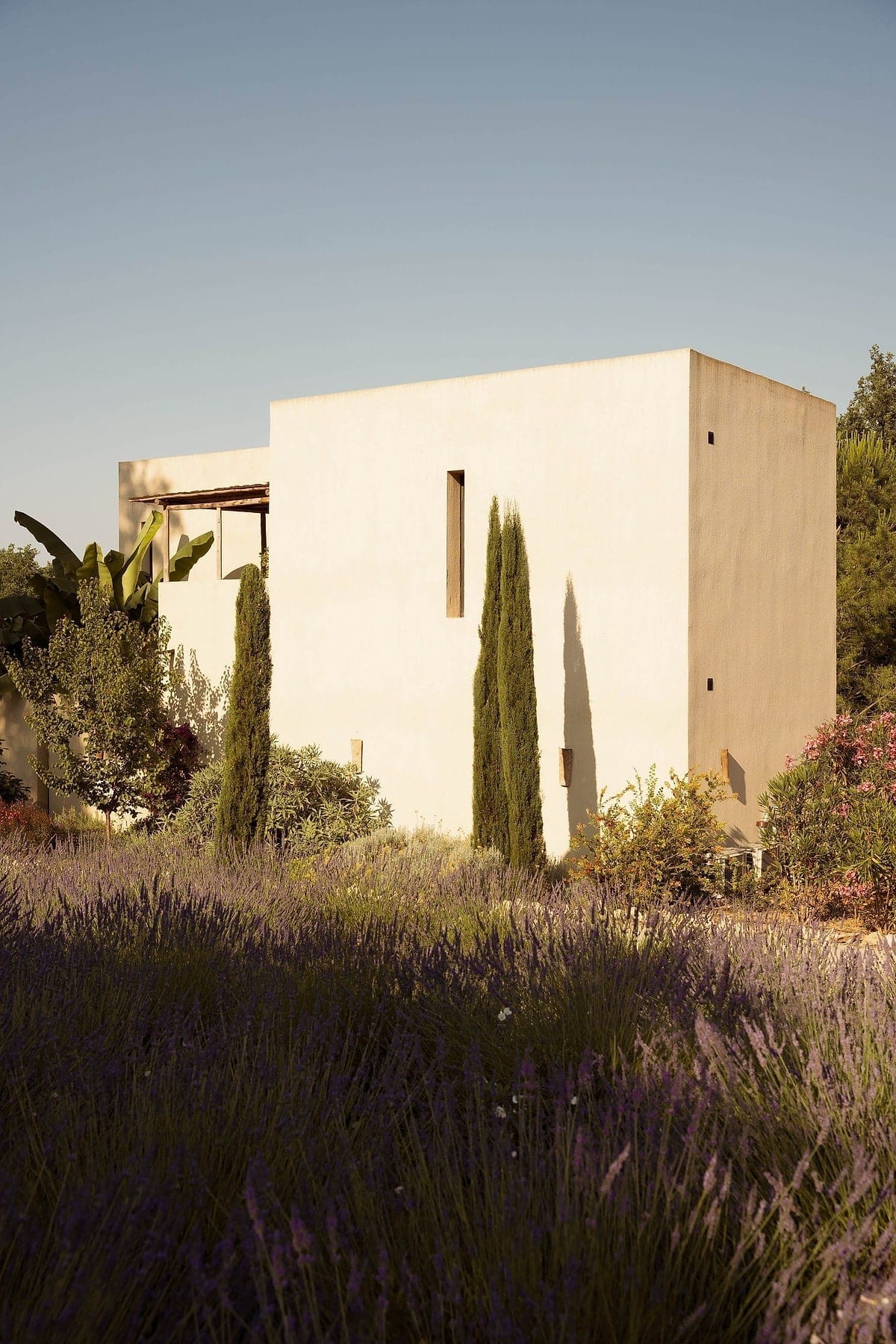
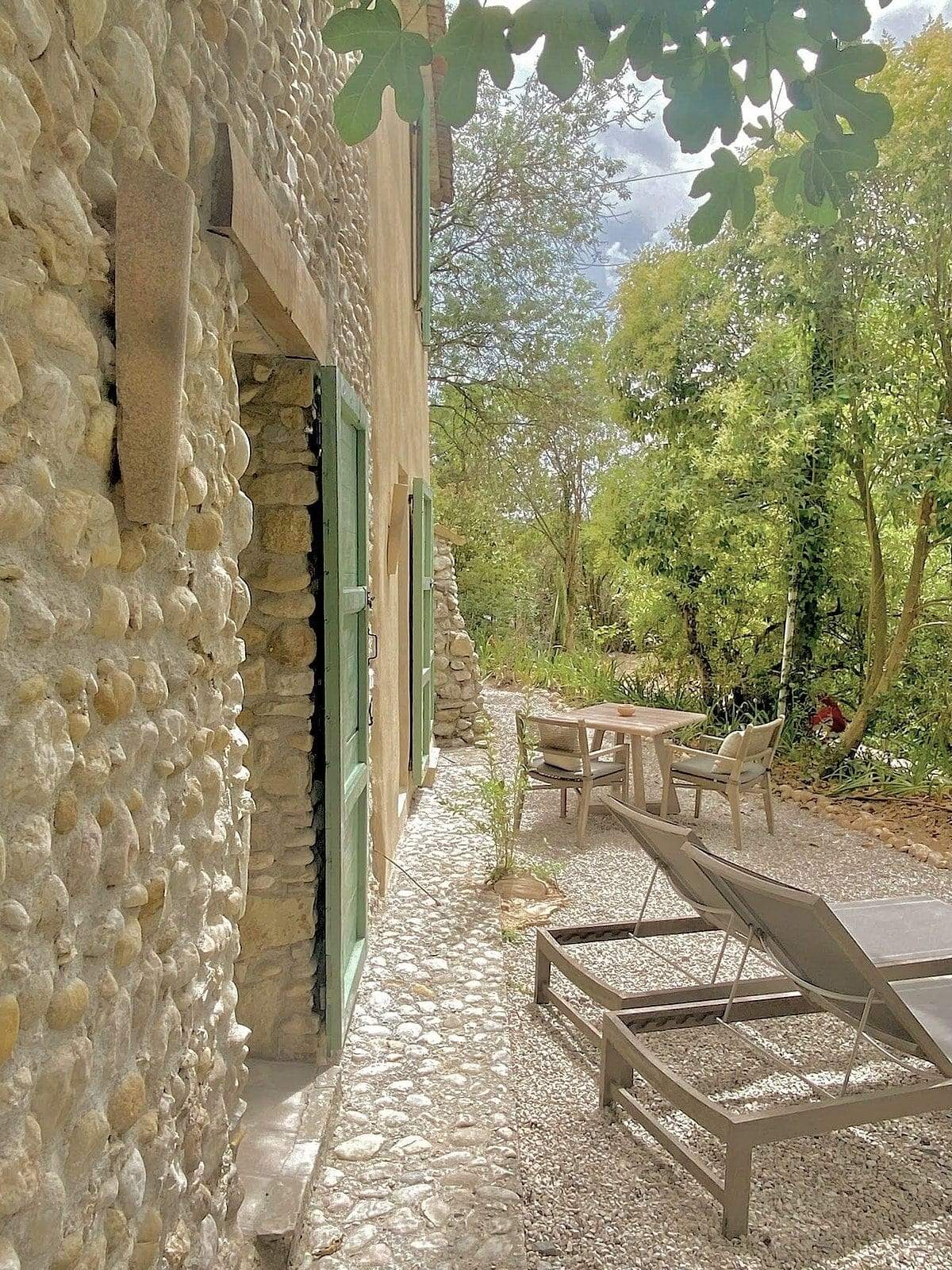
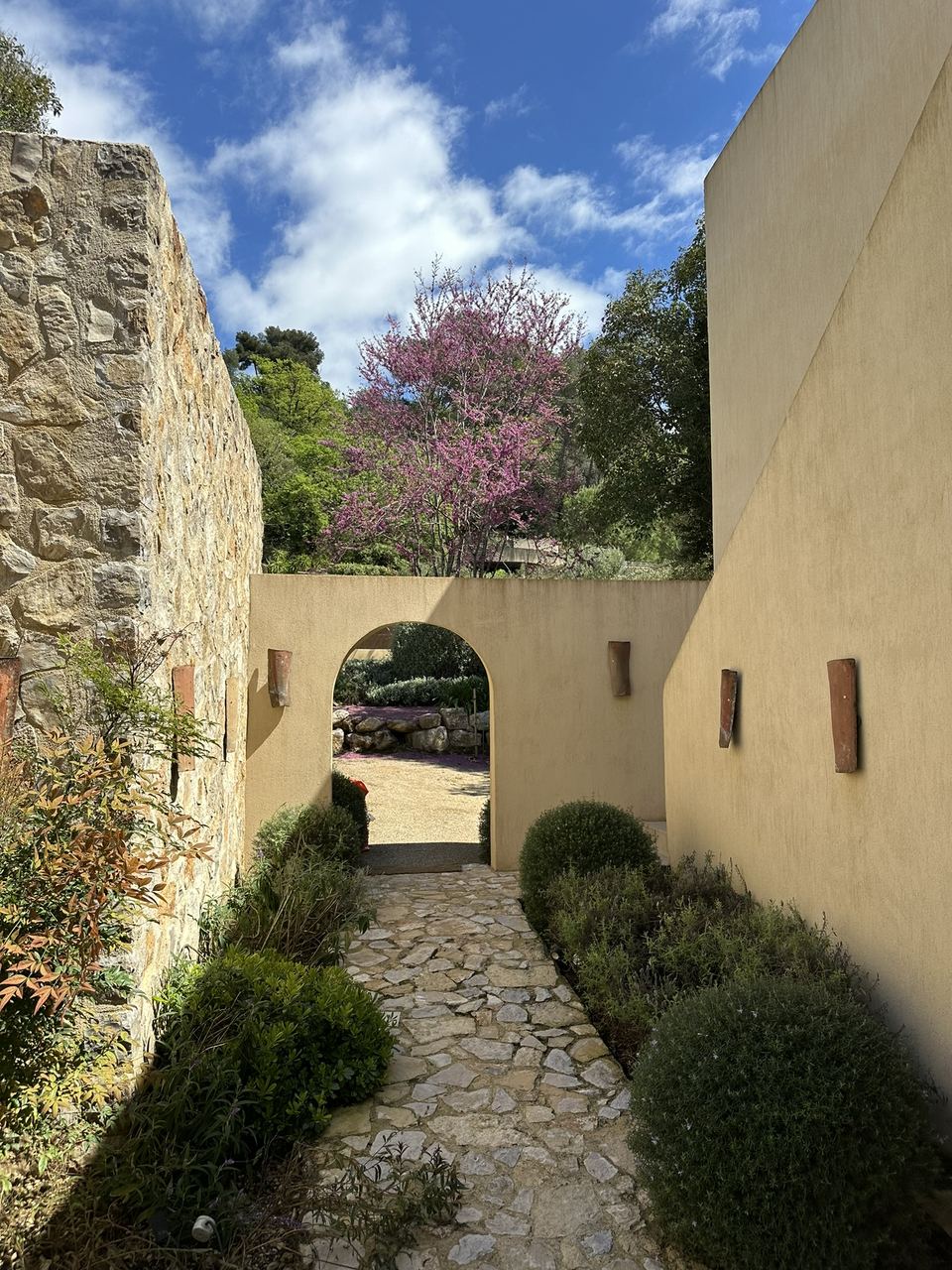
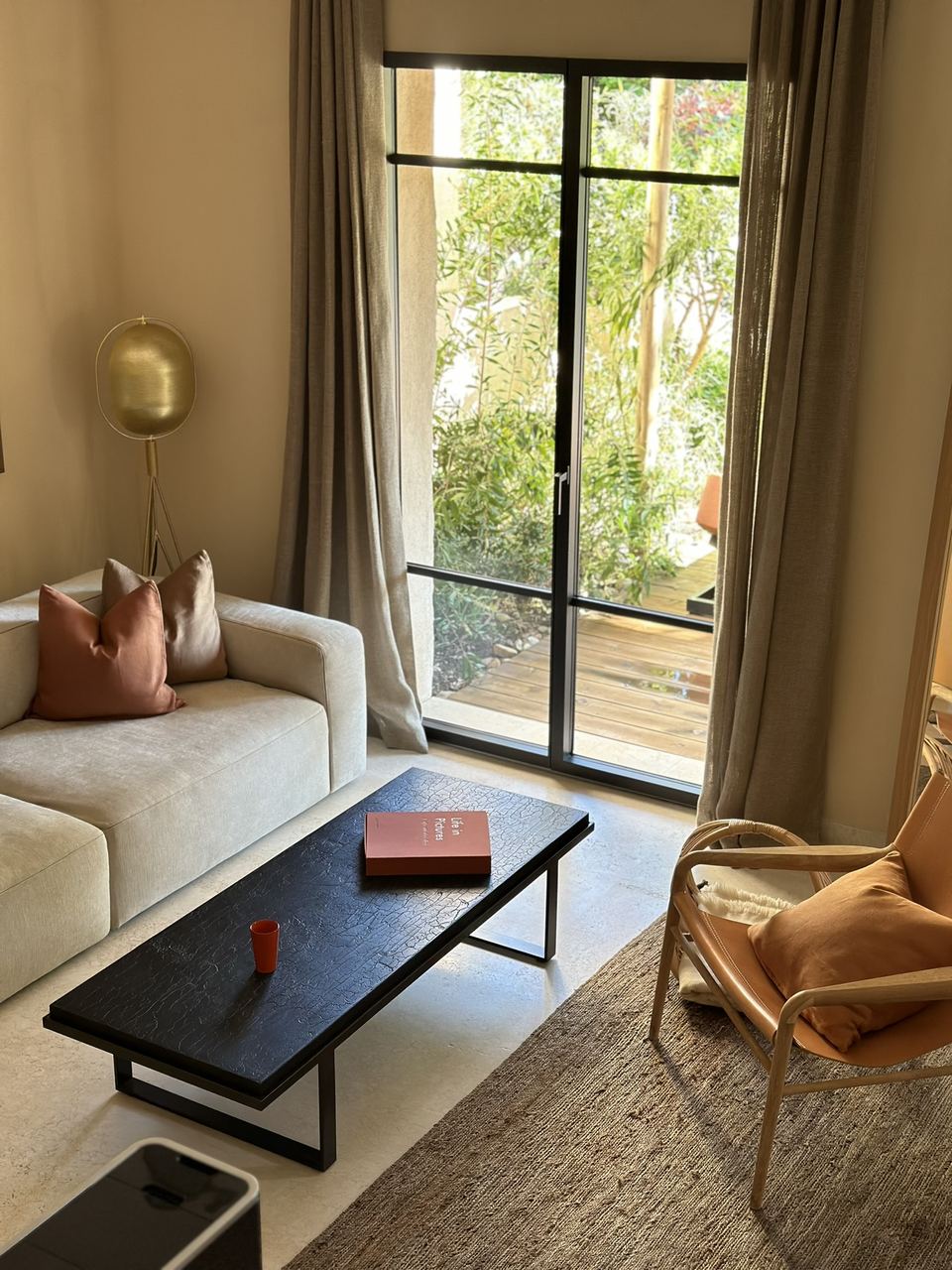
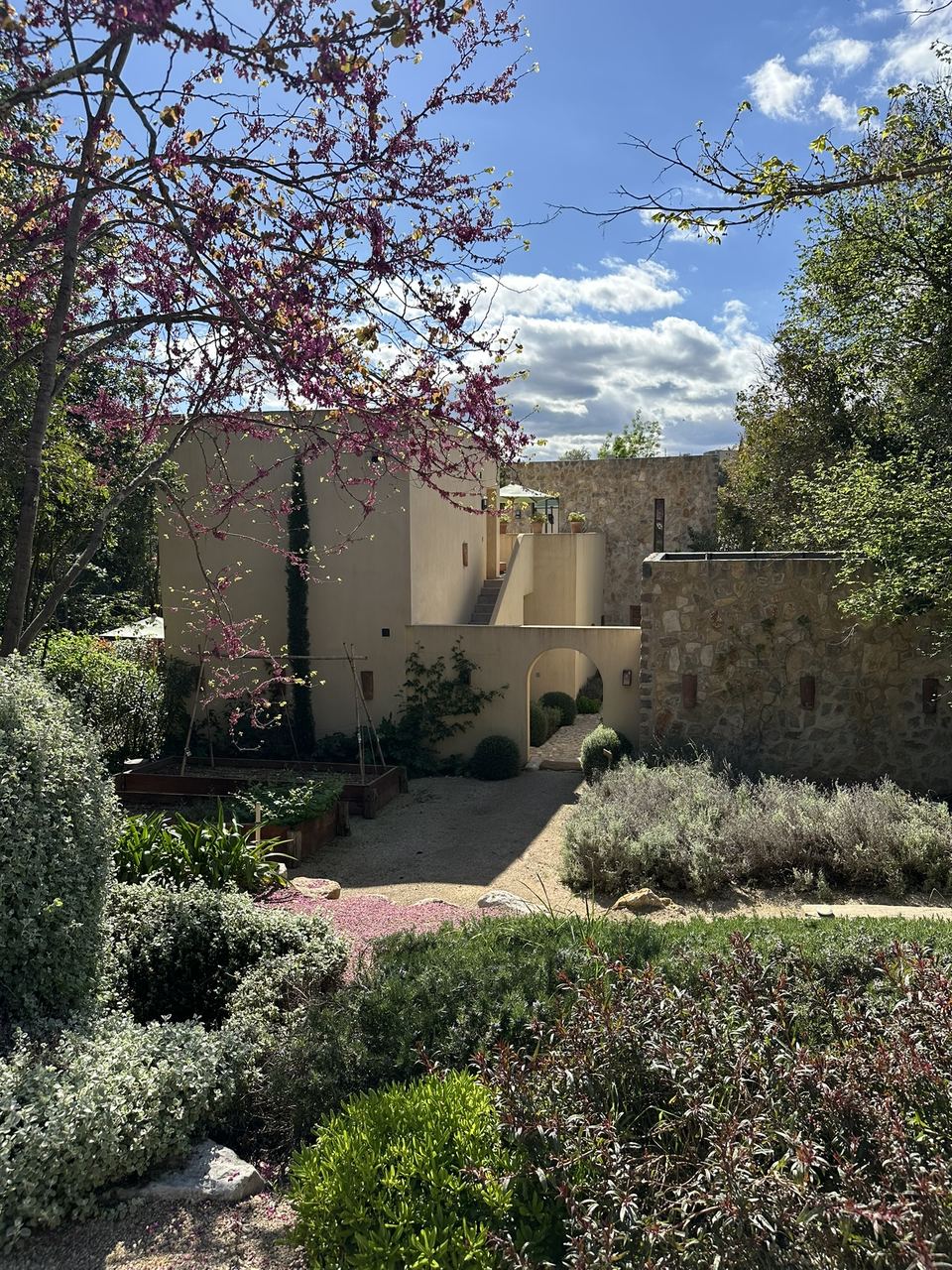
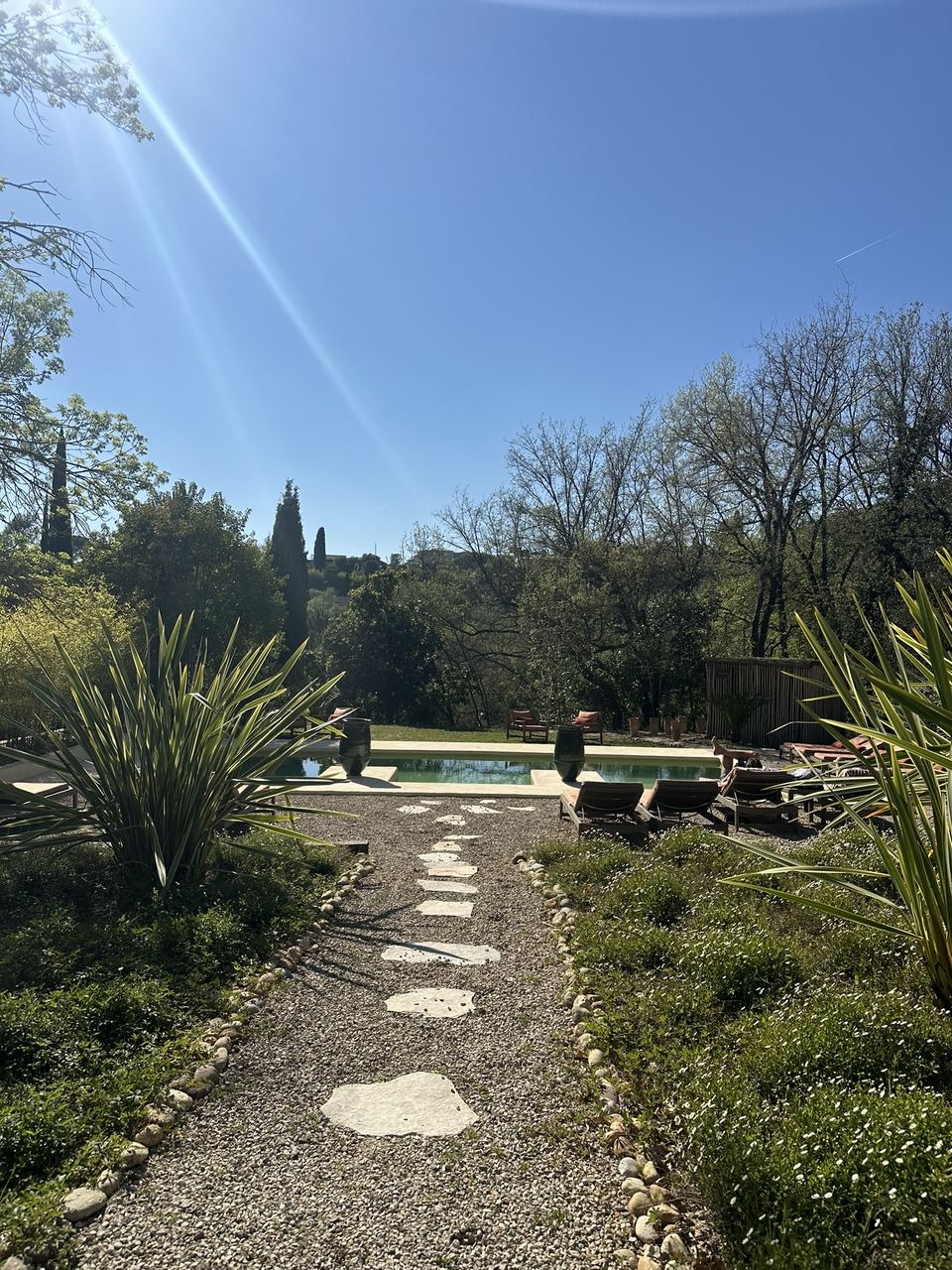
That family origin can still be read in the atmosphere of the place, where there is no sharp line between what is private and what belongs to hospitality, between the garden and the suites, between art and architecture. The stone buildings sit alongside more recent volumes with pared-back geometries, while paths, terraces, pools and planting form a sequence of spaces to wander through with no set direction. Here the stay itself seems almost secondary to the chance of living for a few days inside a world built around the sensibility of its owners.
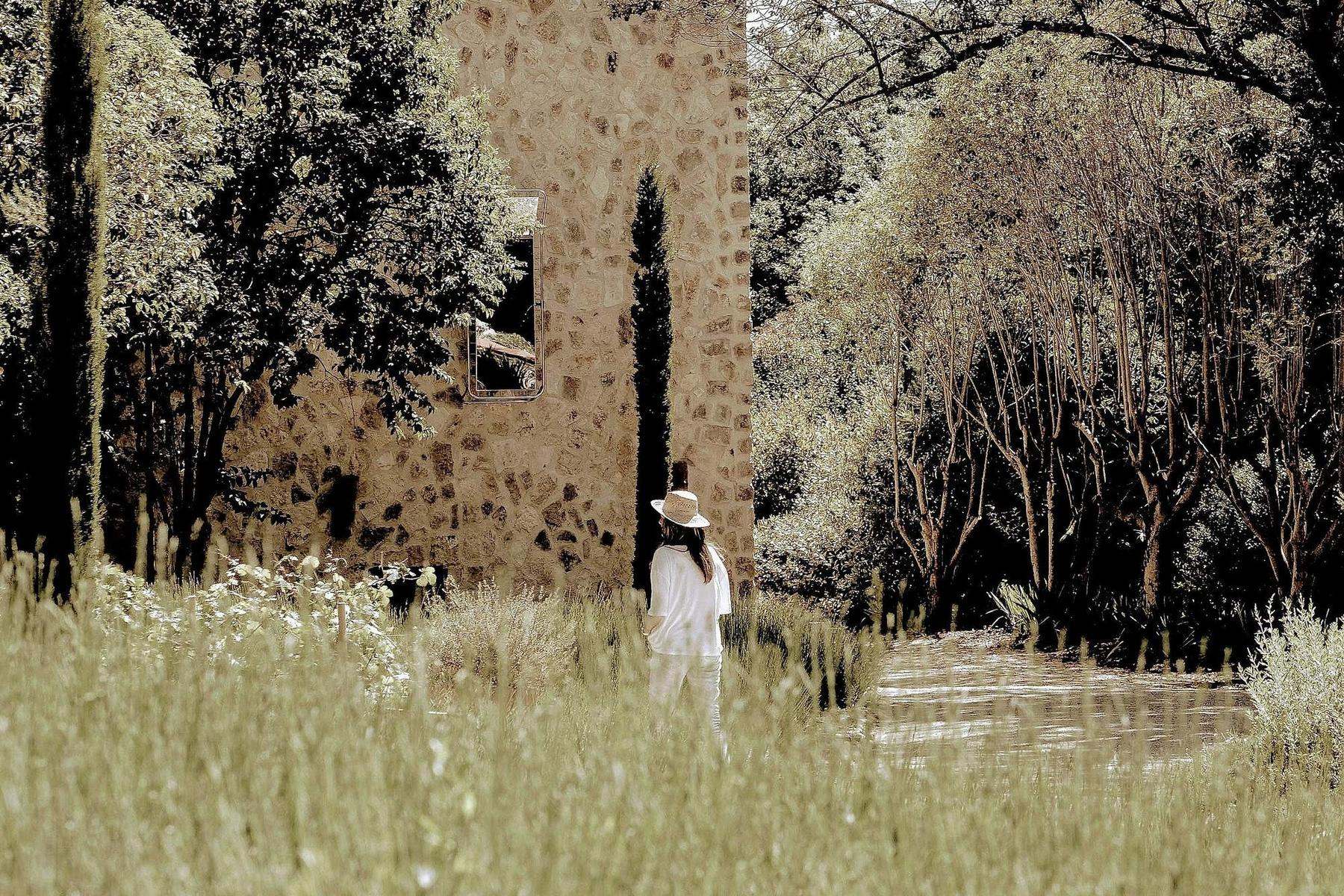
Design destination, a place to stayToile Blanche is not a hotel that displays art. It is a work of art you can live in.
Leroy Brothers
The line comes from the new identity through which the Leroy Brothers present the project today, and it sums up what Toile Blanche has become: in 2026 the property was formally declared a work by the Leroy Brothers, a gesture that treats the architecture, the gardens, the art collection and the very way the place is lived in as a single system.
Old stone, new volumes
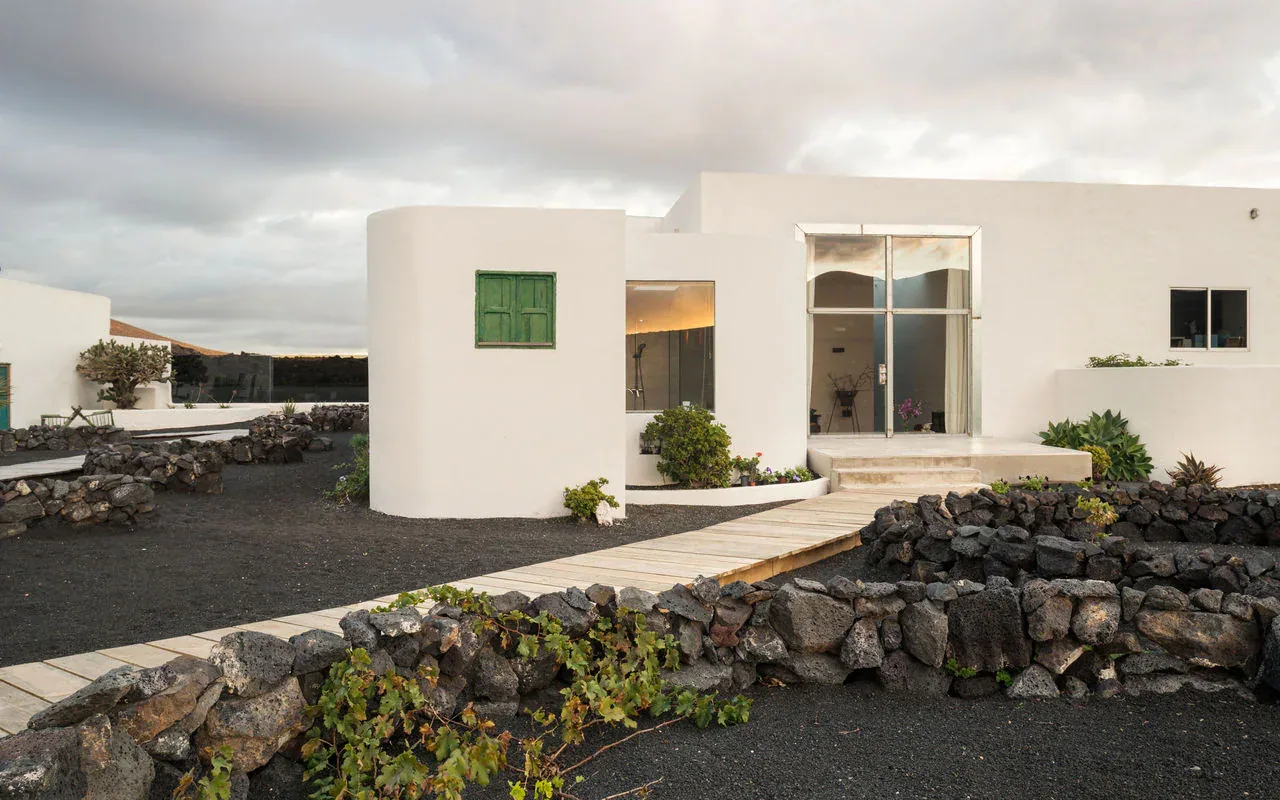
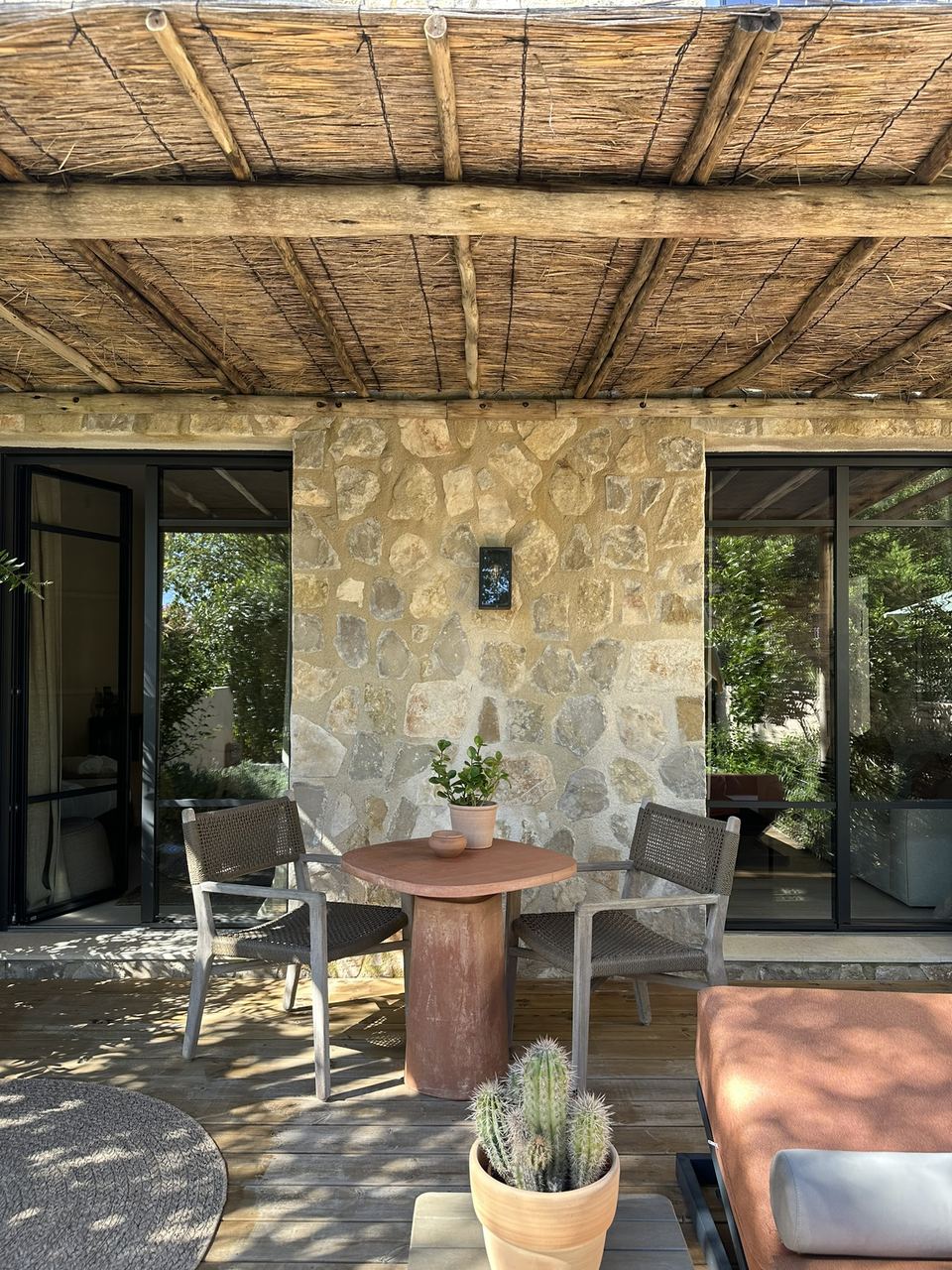
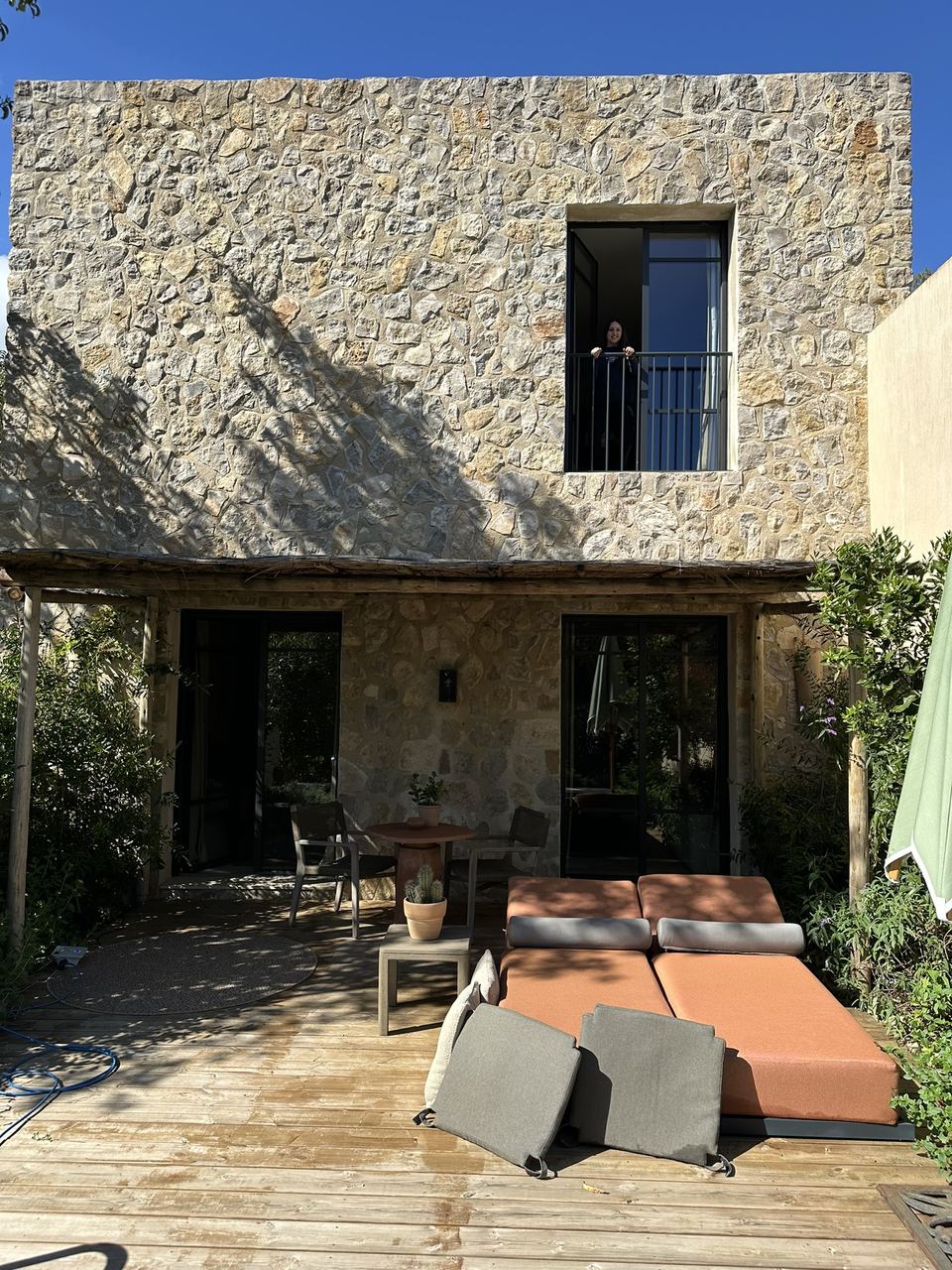
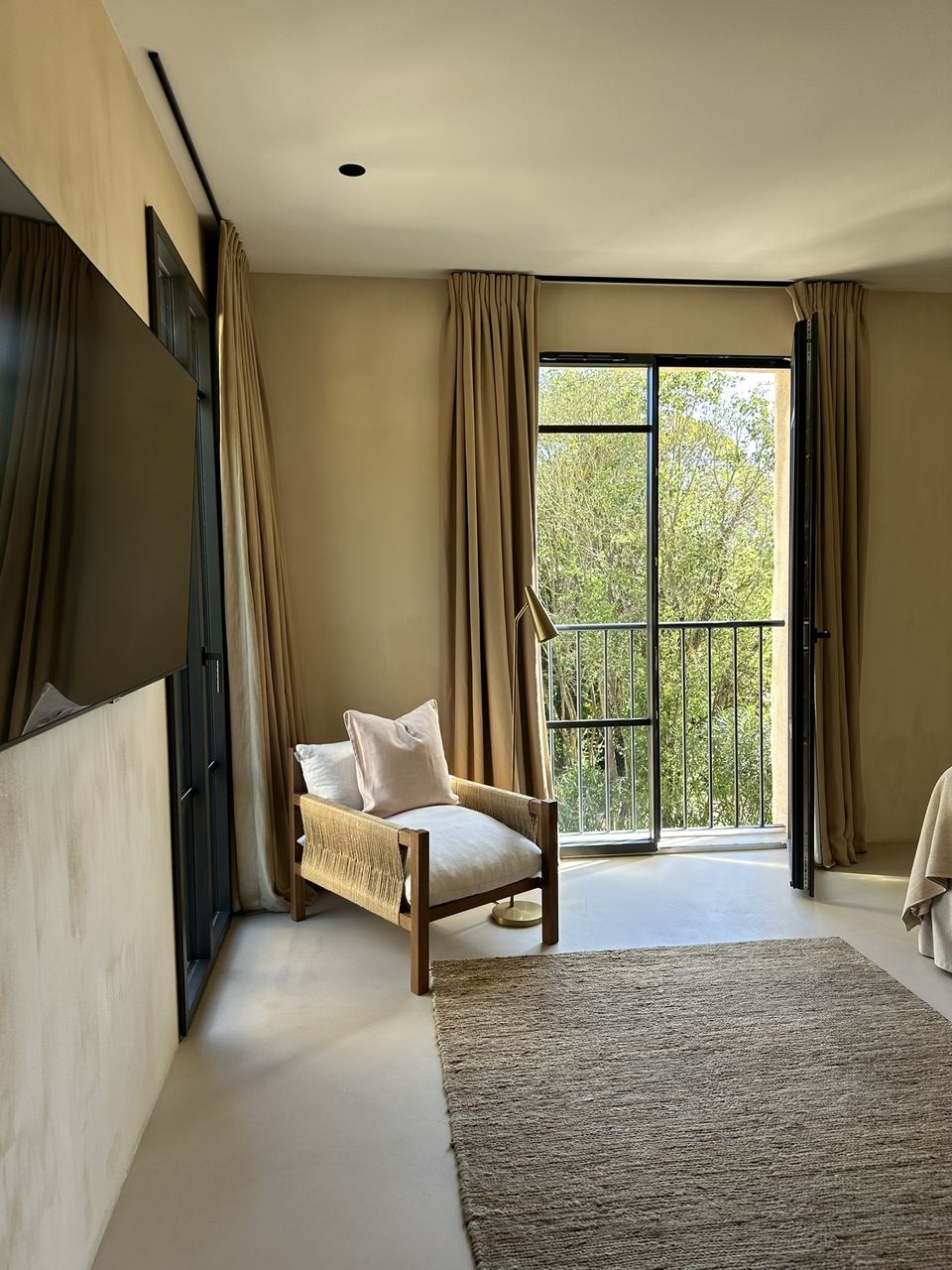
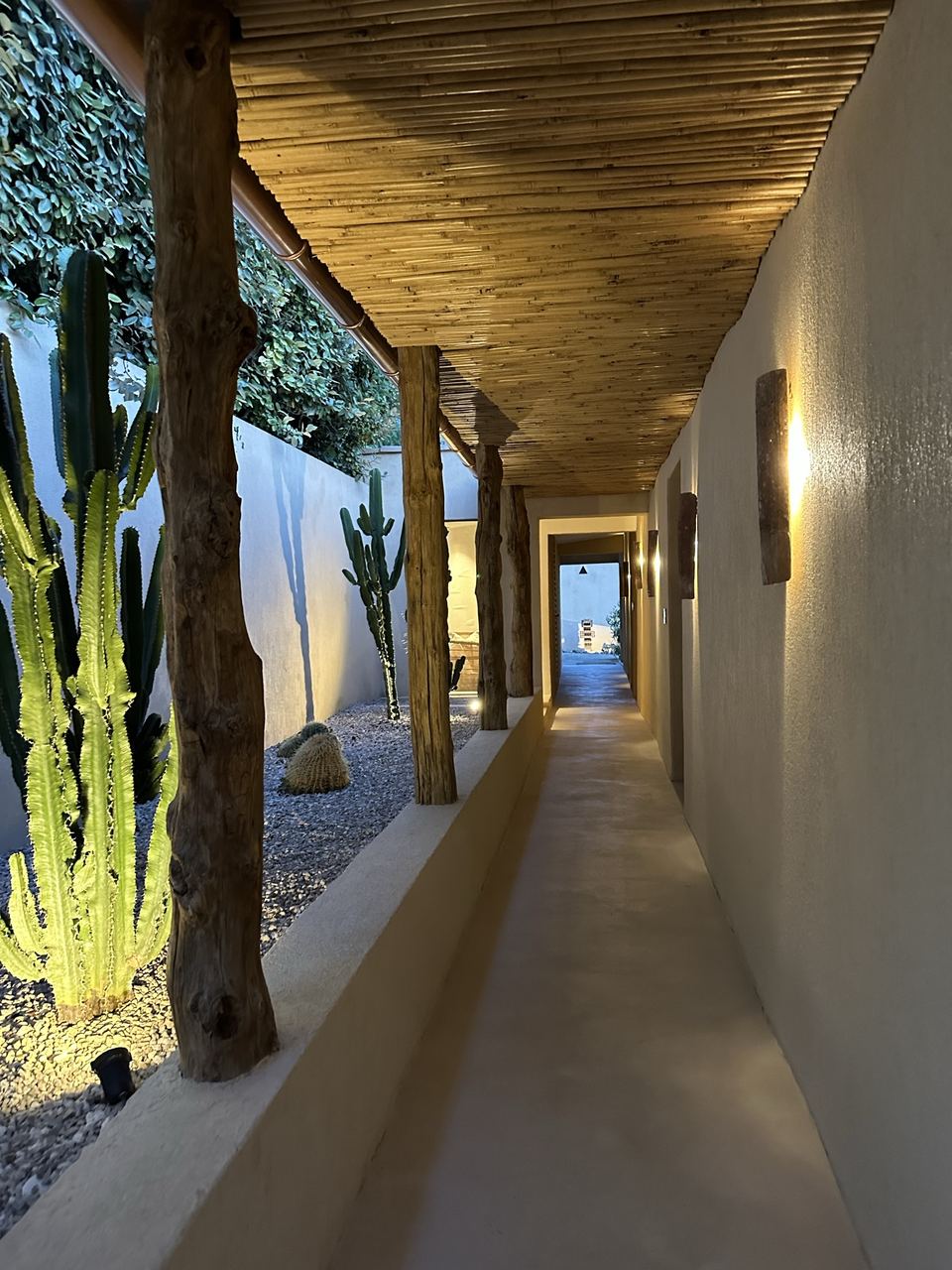
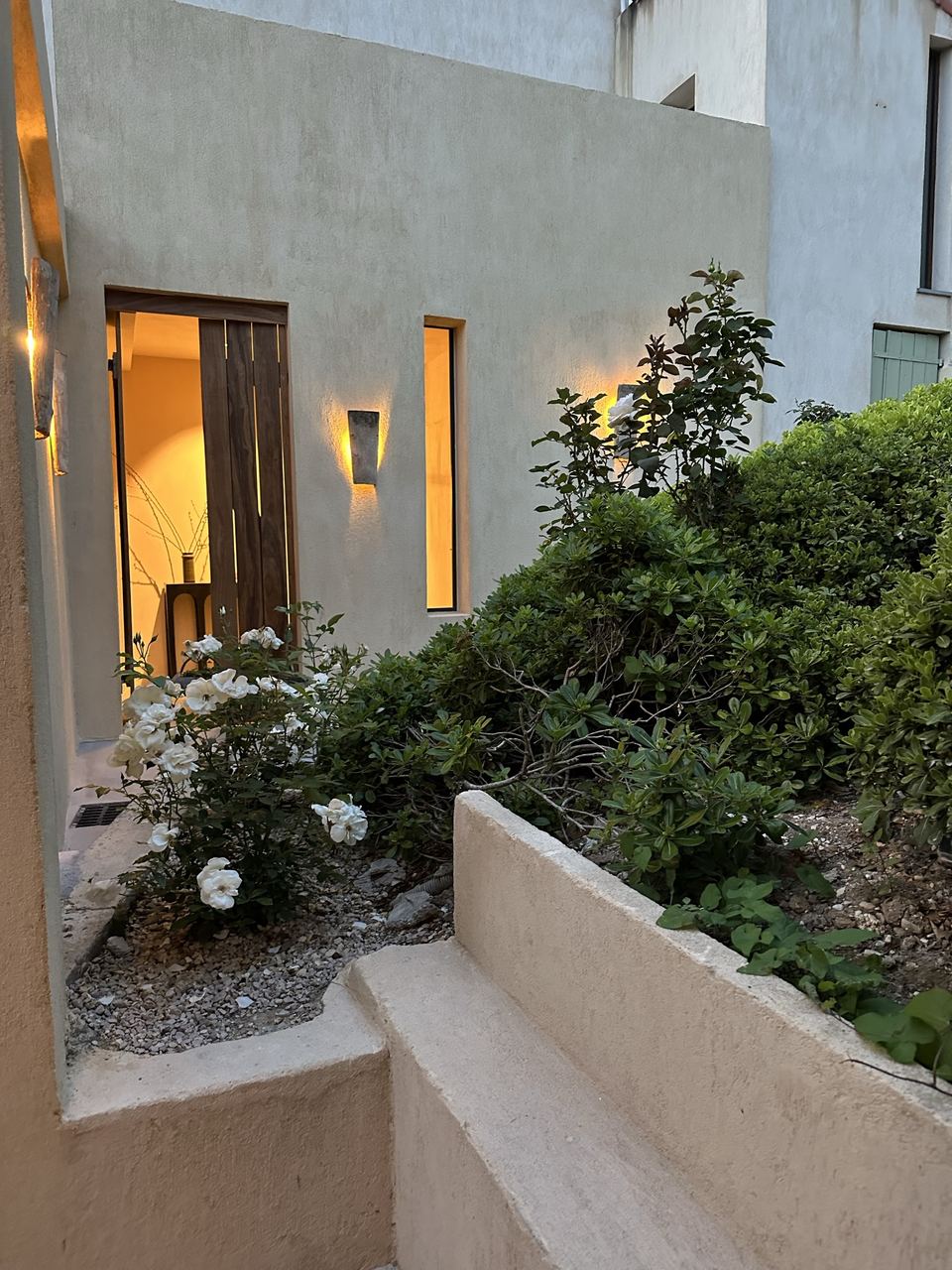
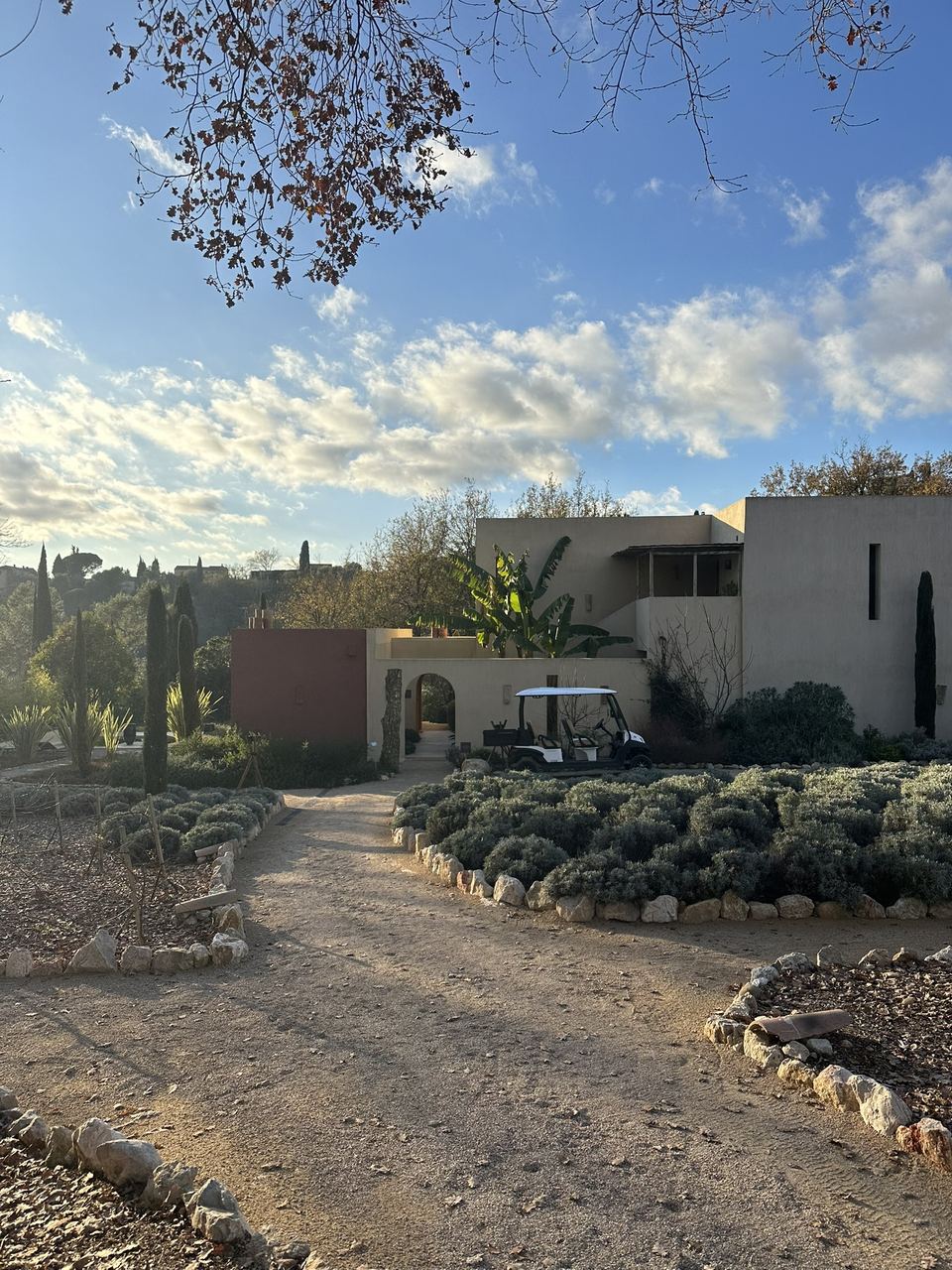
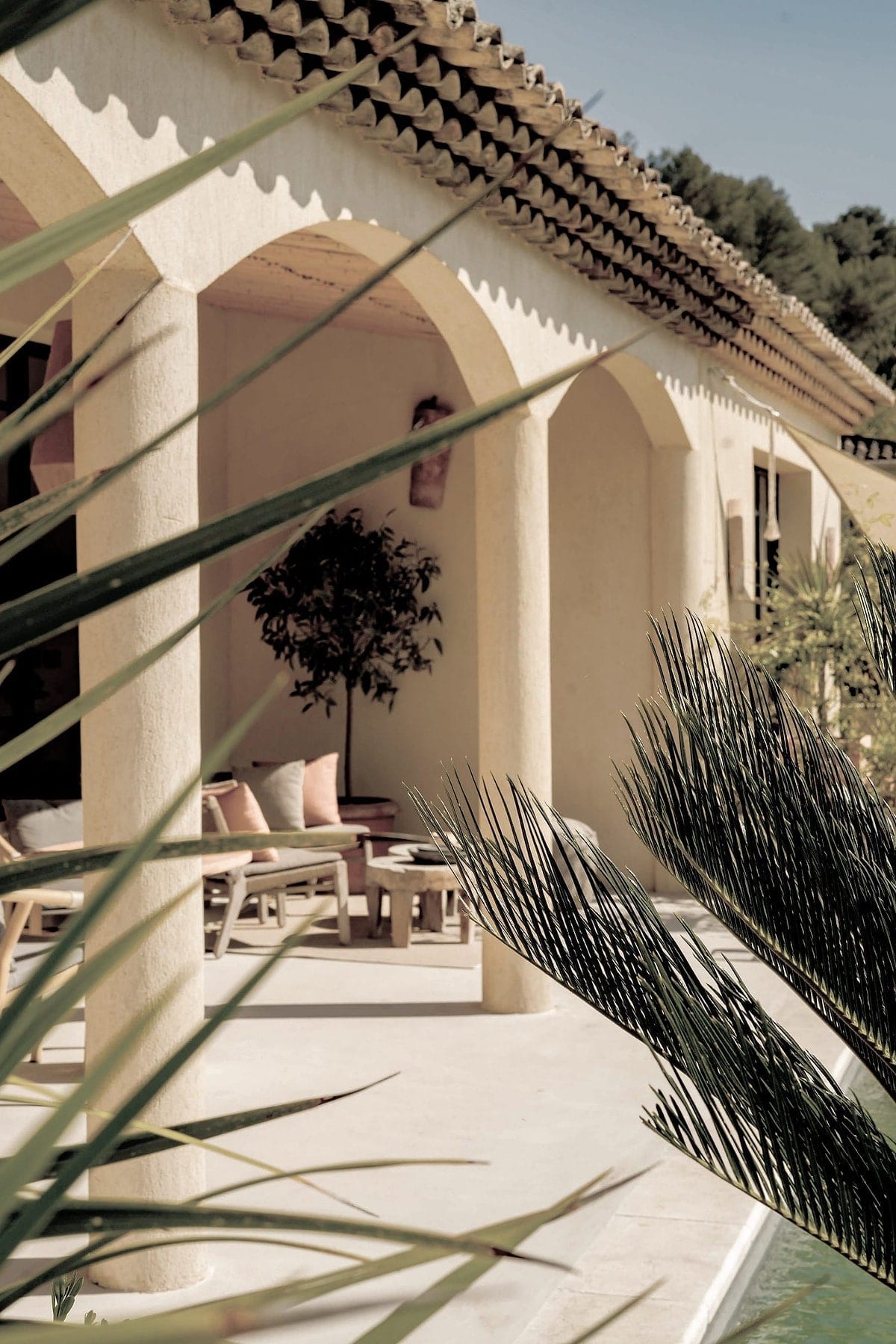
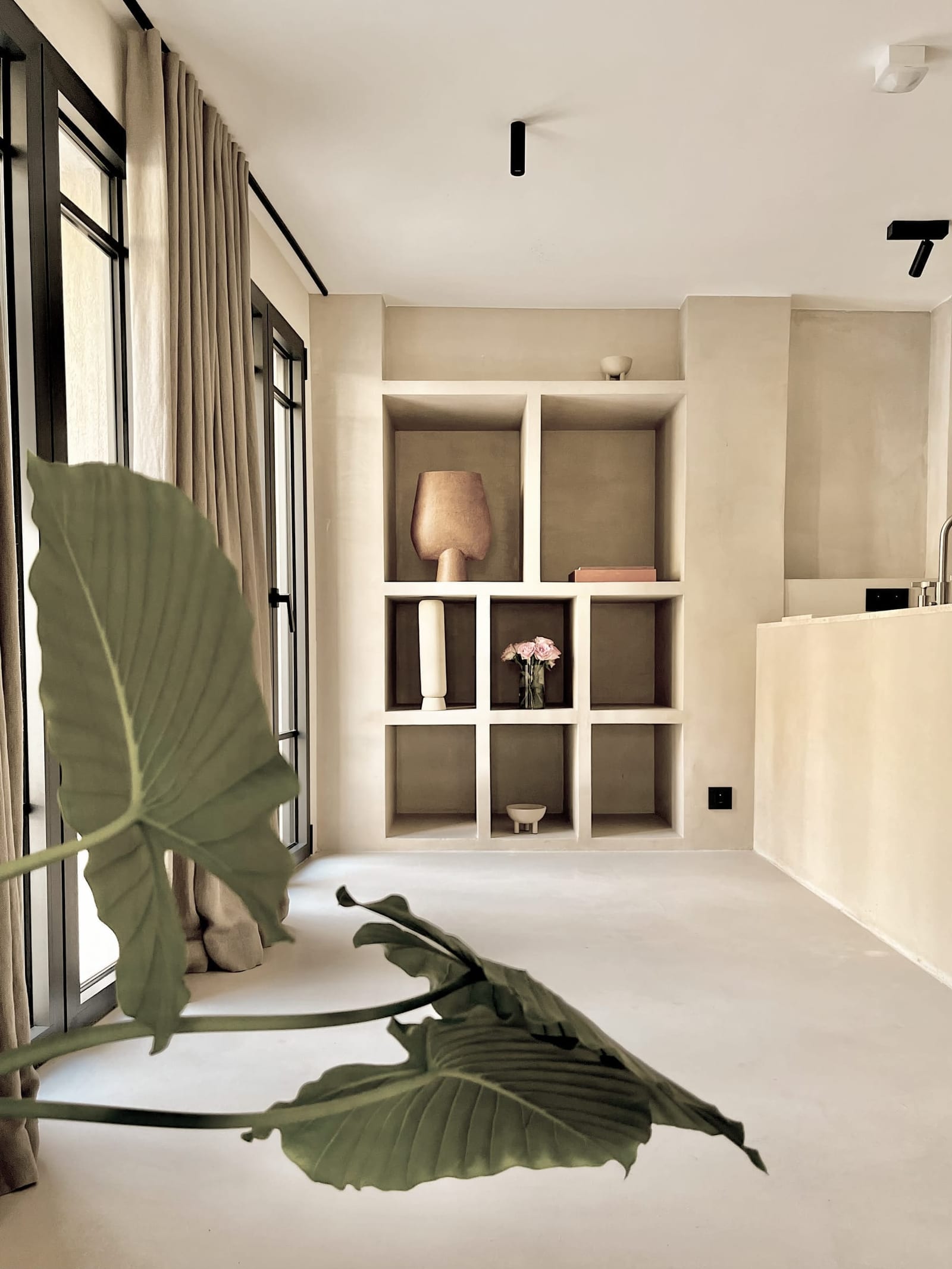
The story of Toile Blanche is above all one of gradual transformation, in which the architecture comes not from a single masterplan but from the relationship between different buildings, bought and restored over more than twenty years. The old stone houses keep the rural character of Provence, while the new volumes bring a more abstract register of continuous surfaces, clean geometries and large openings onto the garden, and the whole reads as a series of houses held together by the garden.
Property
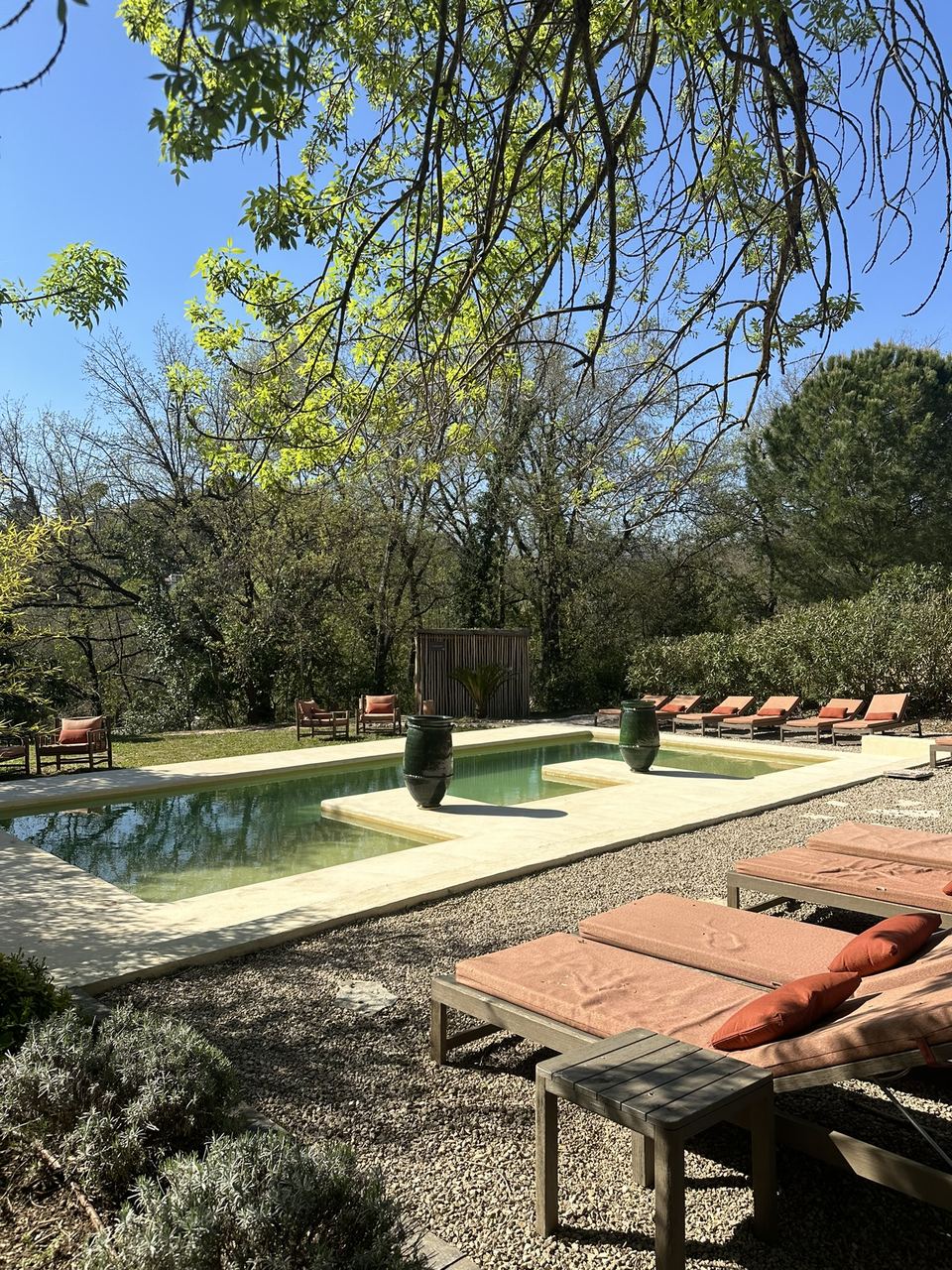
22 suites and villas, from 30 to 100 sq m
Amenities
3 pools, 2 restaurants, an art gallery
Location
Saint-Paul-de-Vence, French Riviera
Nearby
The village on foot, Fondation Maeght
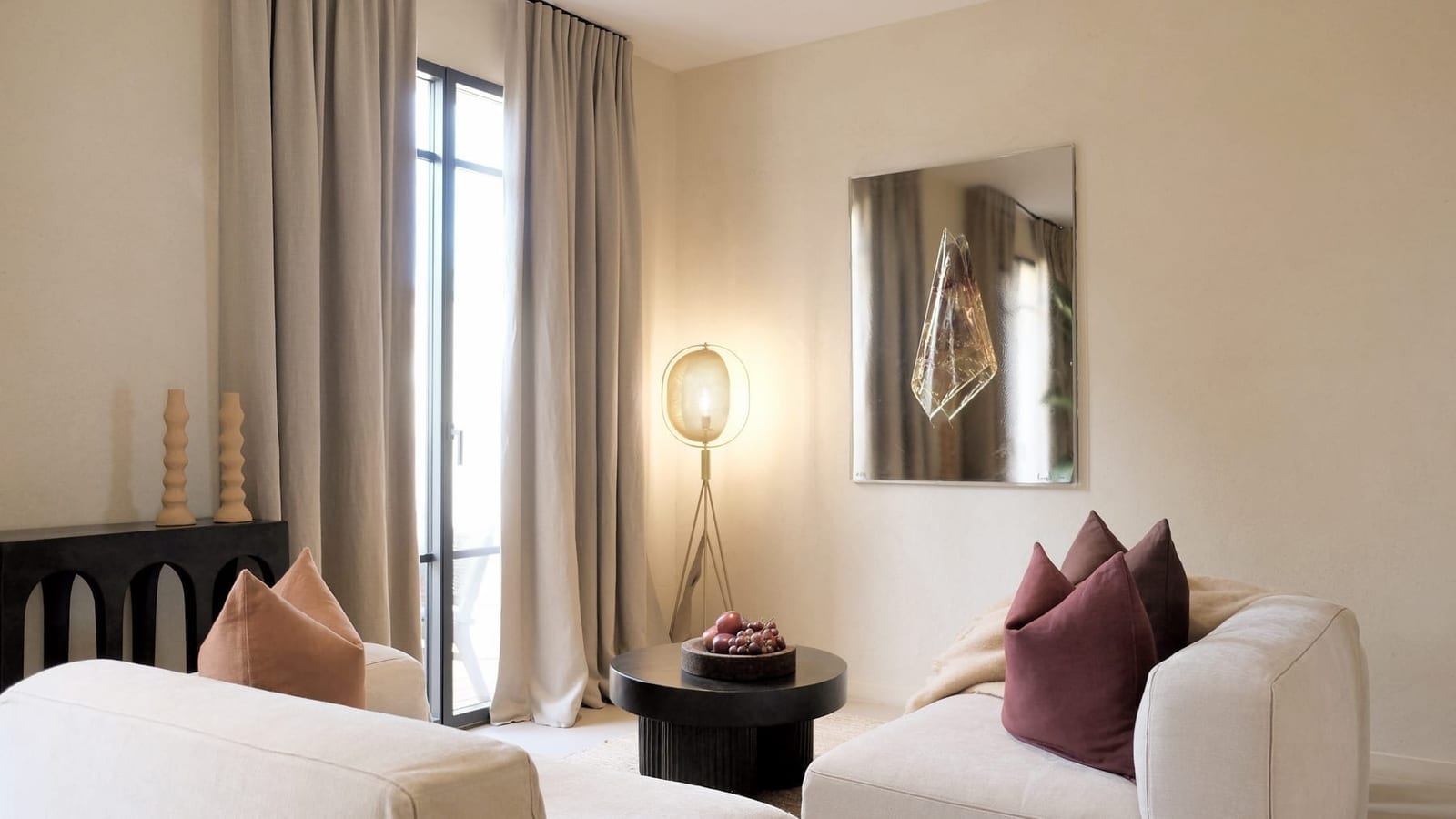
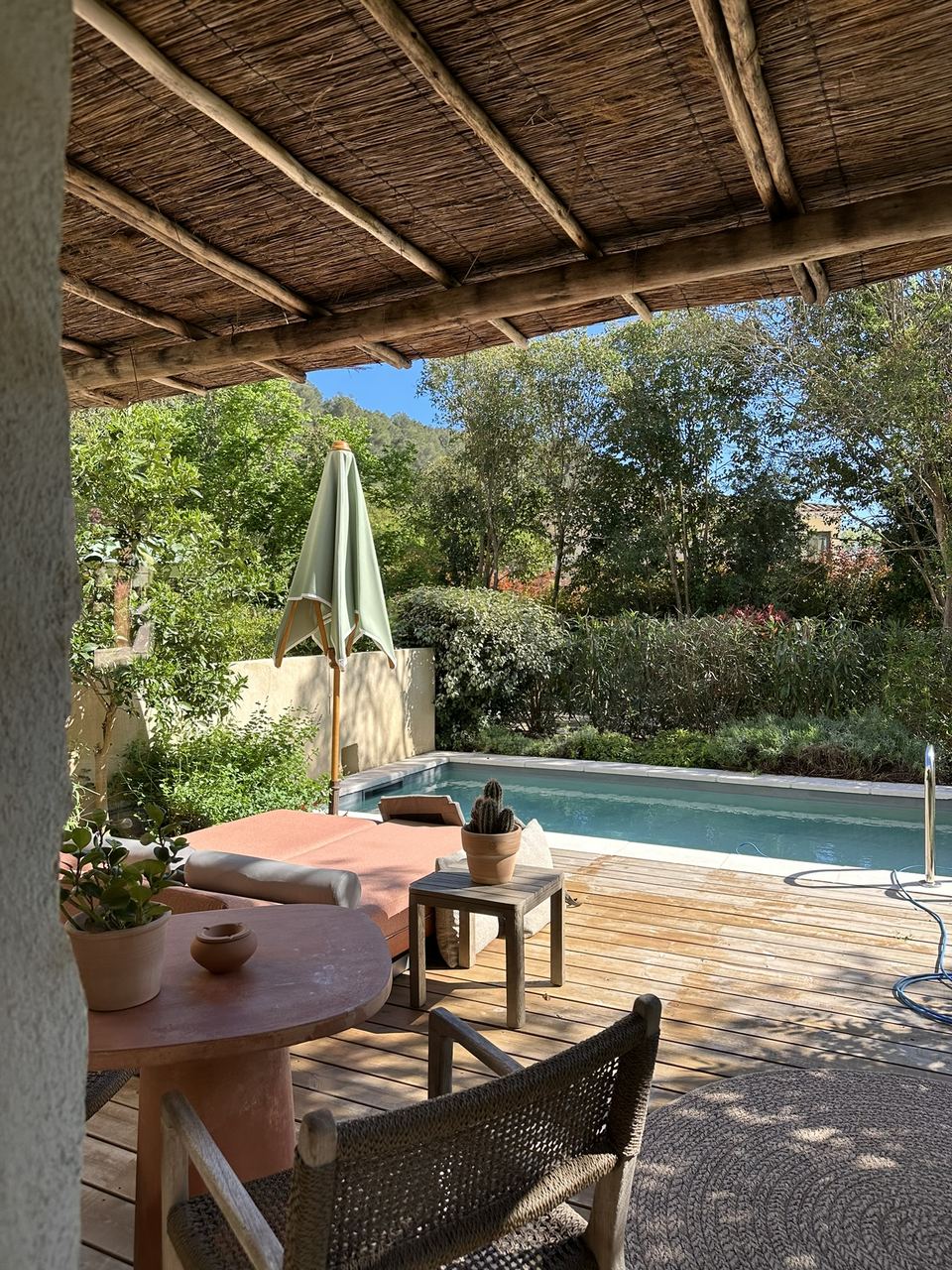
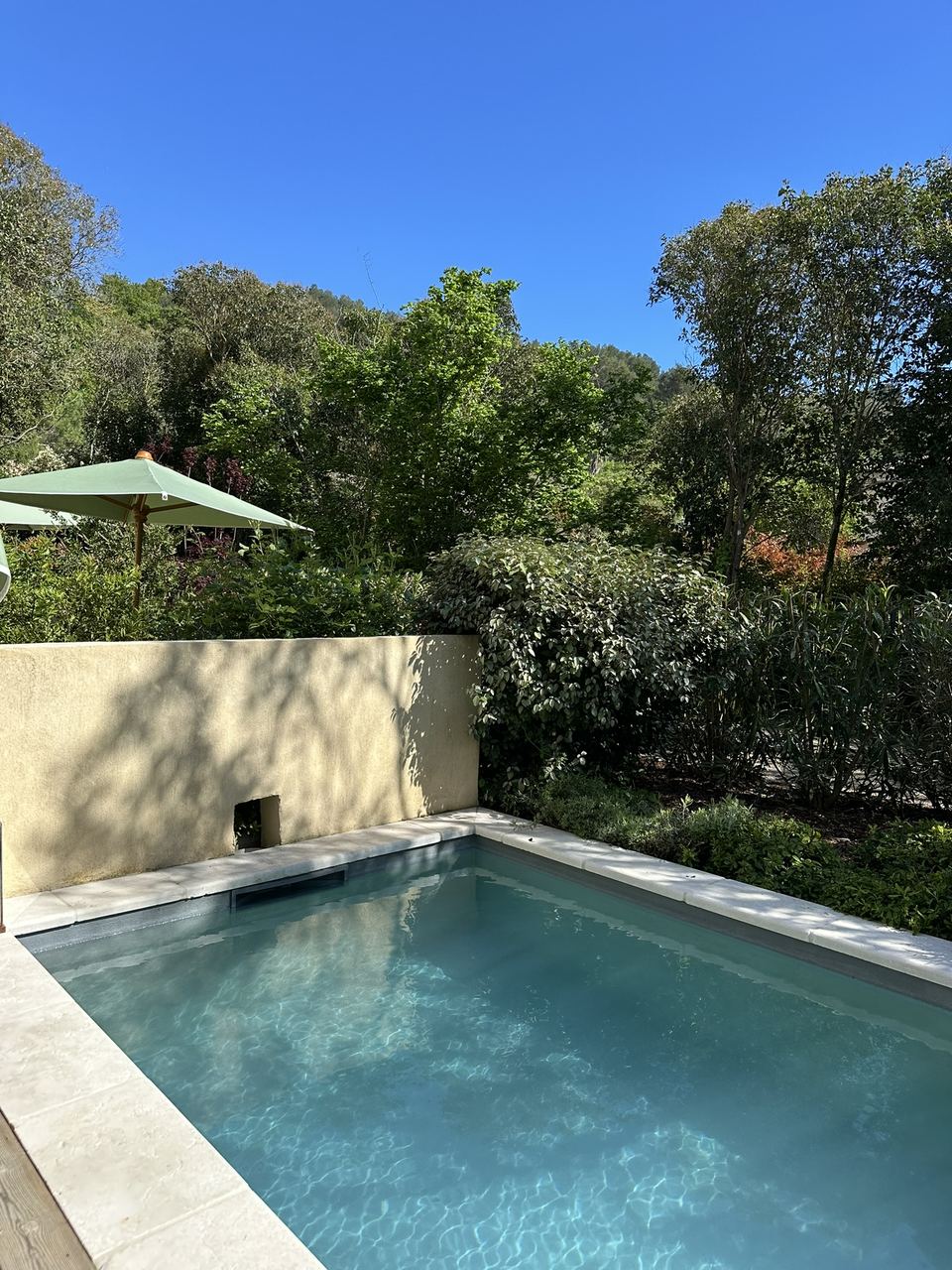
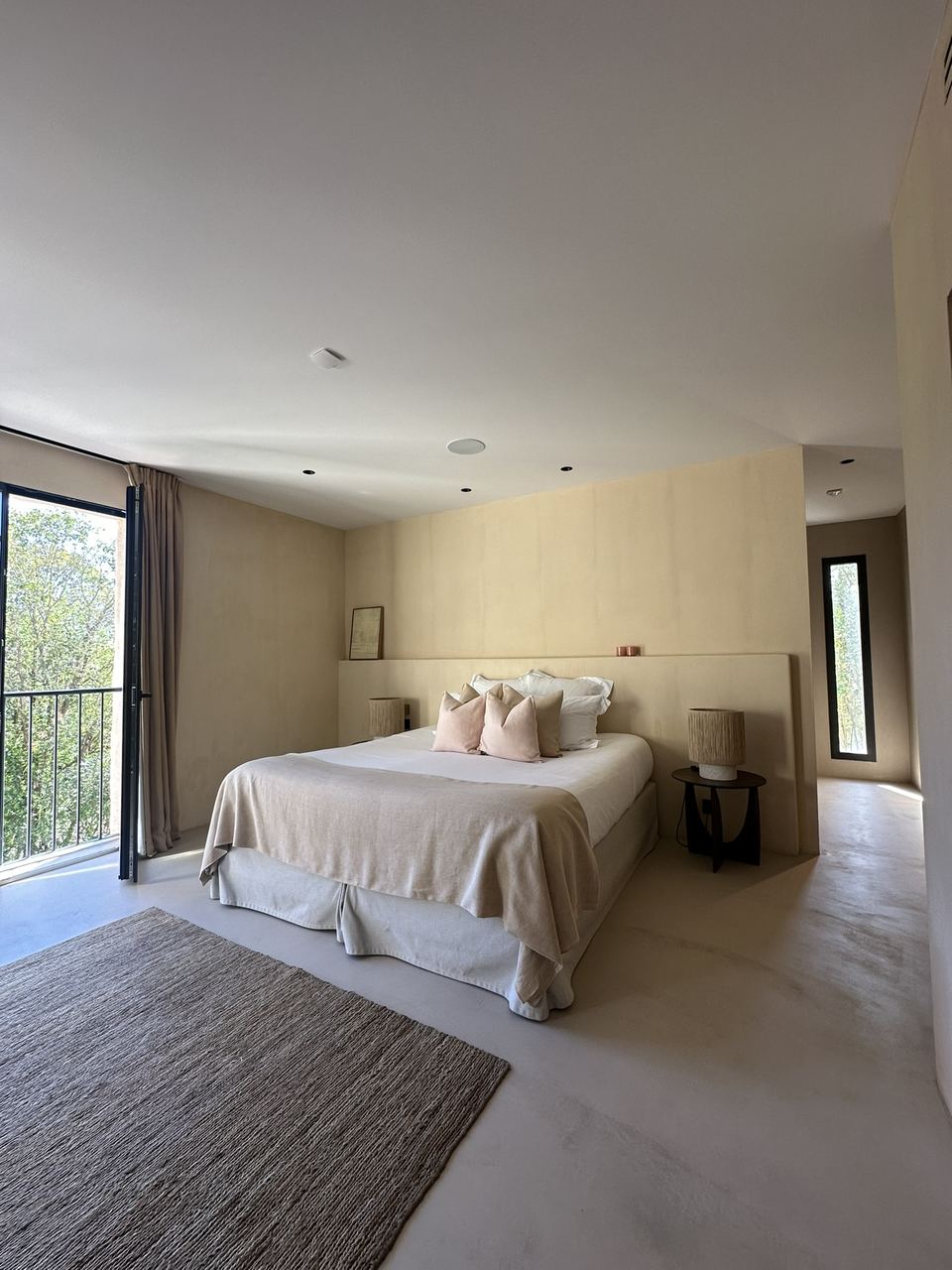
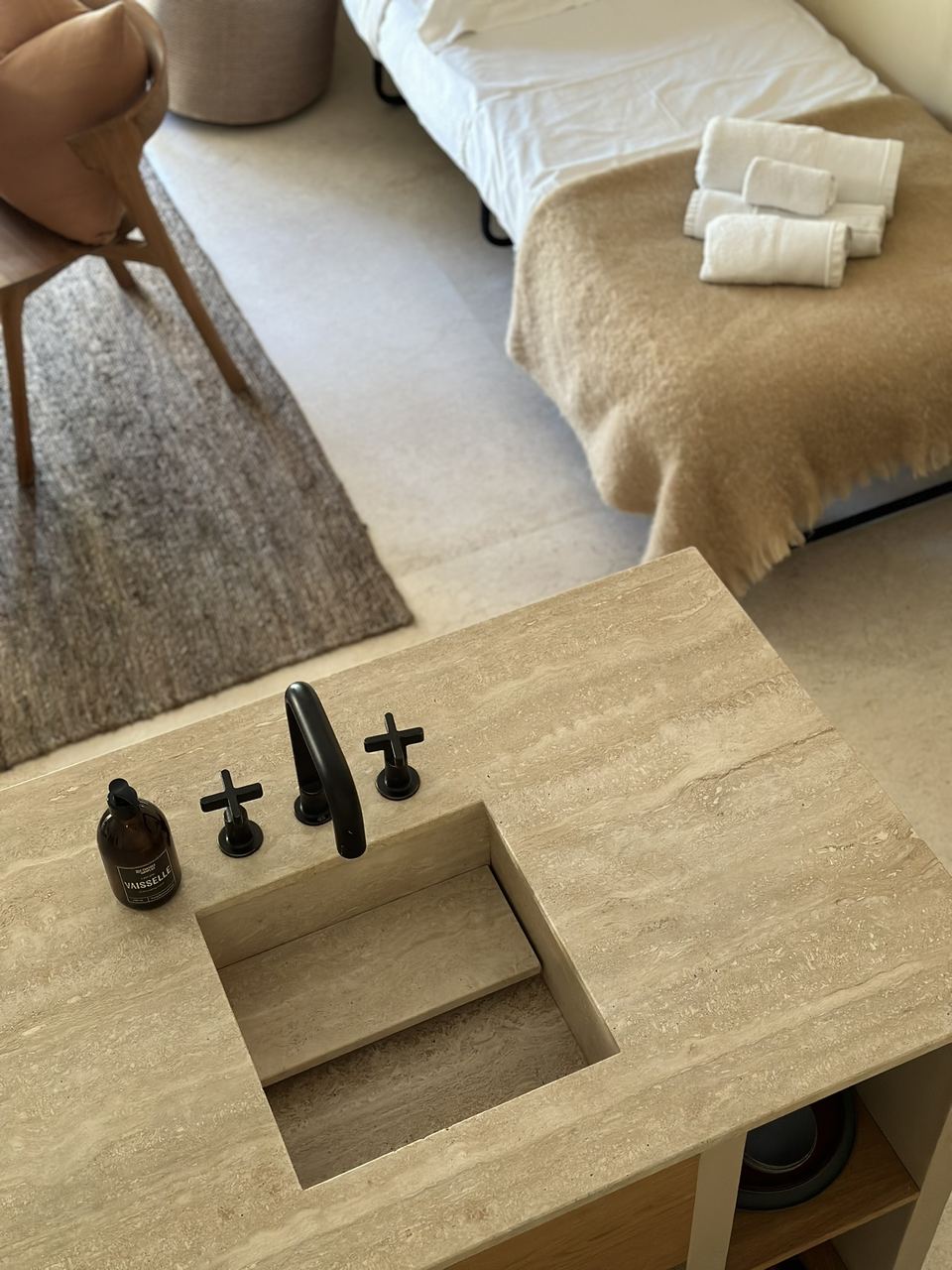
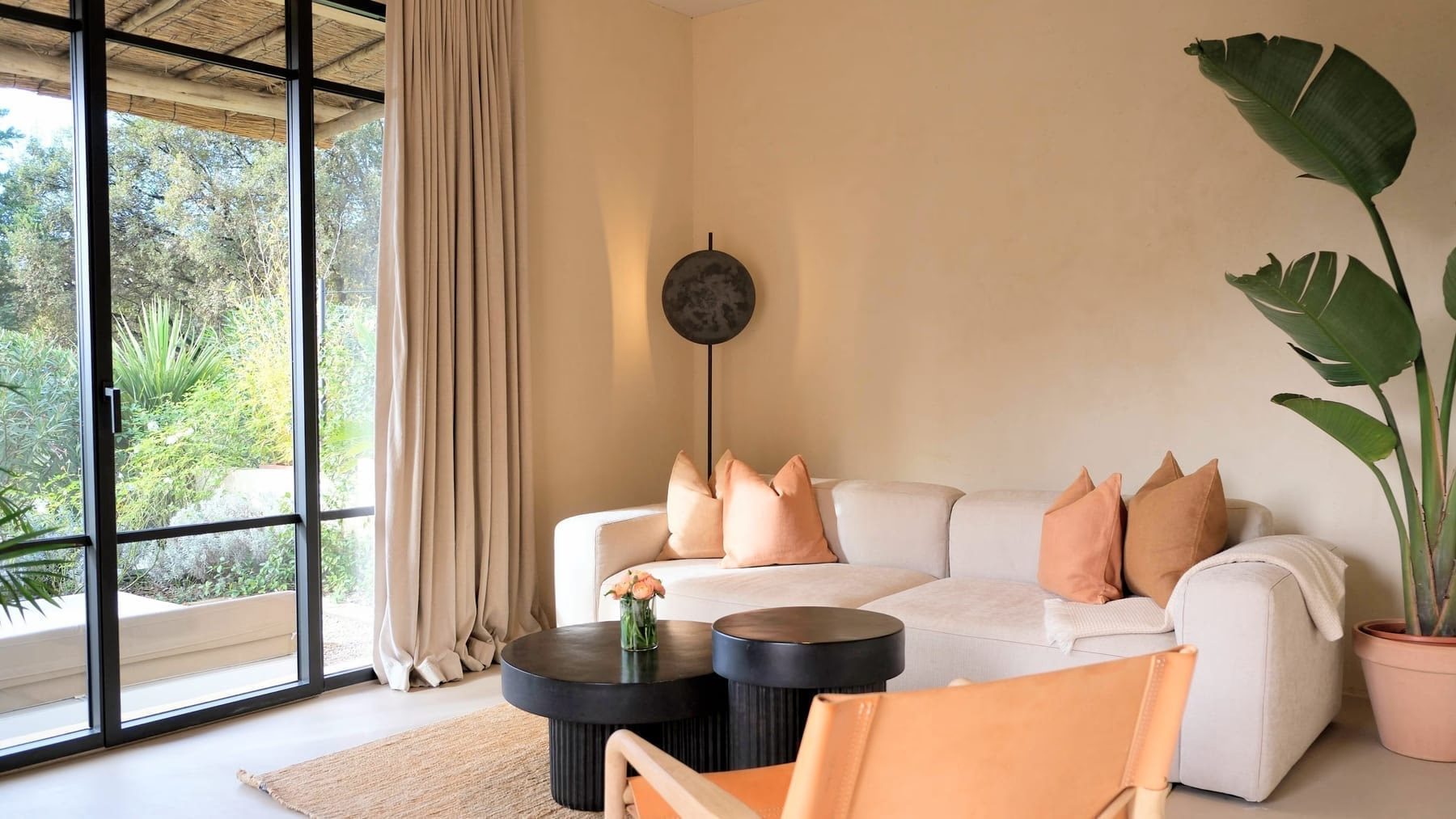
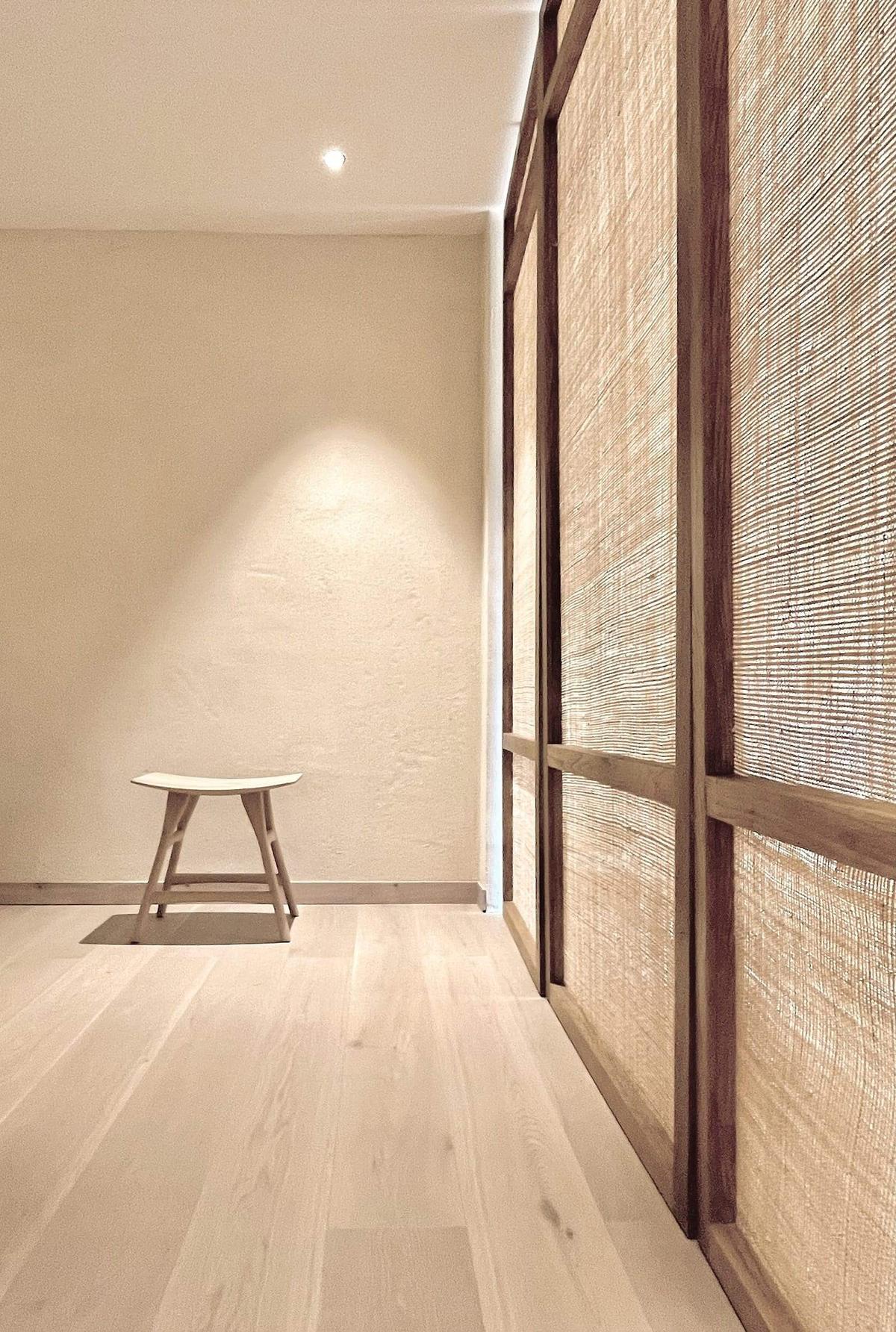
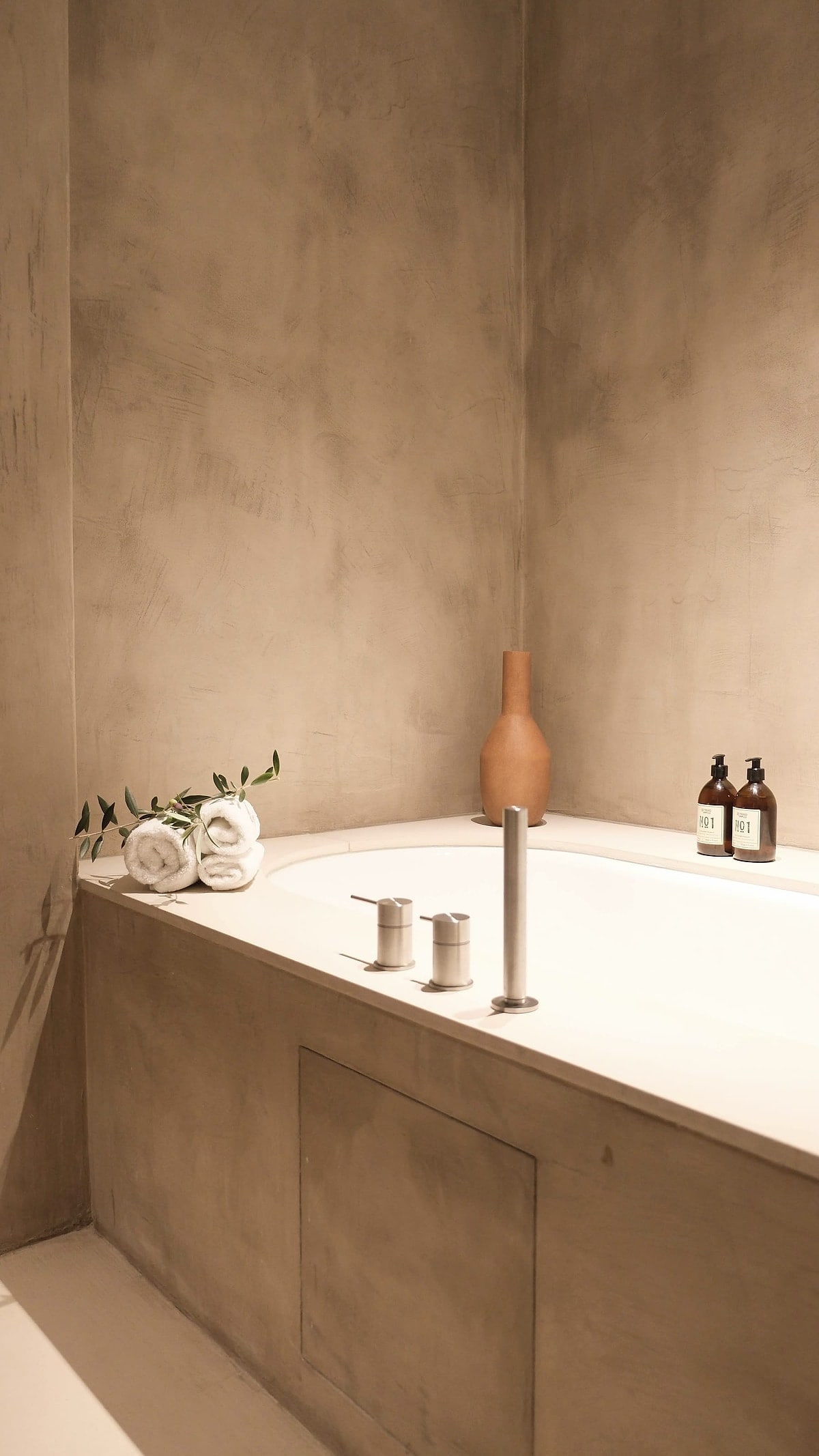
Inside, the rooms are made of natural plaster, clay and straw, travertine, terracotta, wood and plant fibres: materials left visible, giving each suite its own light and texture. The suites are all different, ranging roughly from 30 to 100 square metres, and are conceived as places to live in, often with a private garden or terrace and, in some cases, a pool of their own. The Mas de l'Artiste, set in the oldest building on the property, keeps its original timber beams and stone and offers 90 square metres with a private courtyard; the Suite du Bon-Vivant adds a private pool and a terrace over the valley, while the Villa du Pénéquet, on two floors with its own pool, is a self-contained take on the Mediterranean pleasure of taking things slowly.
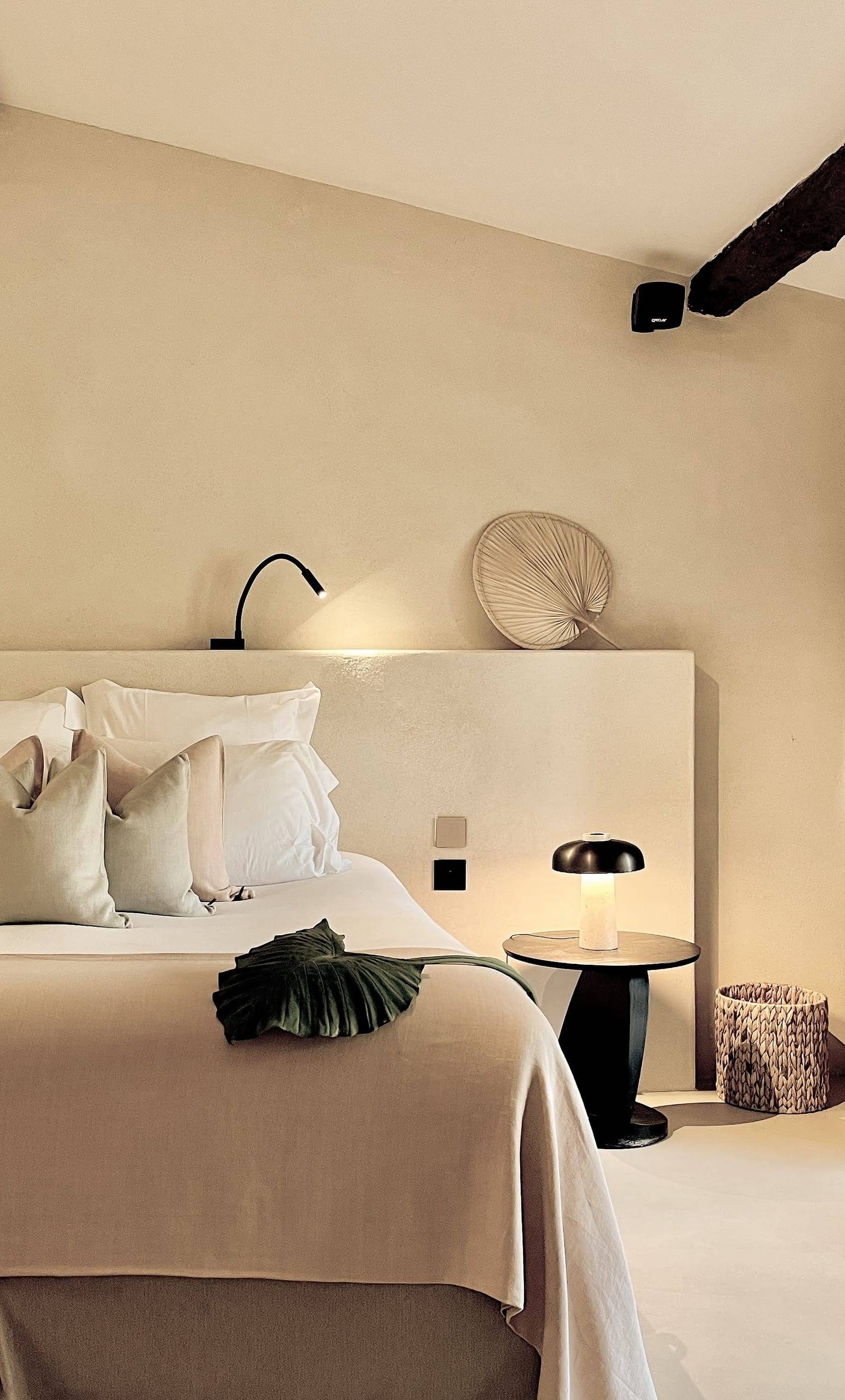
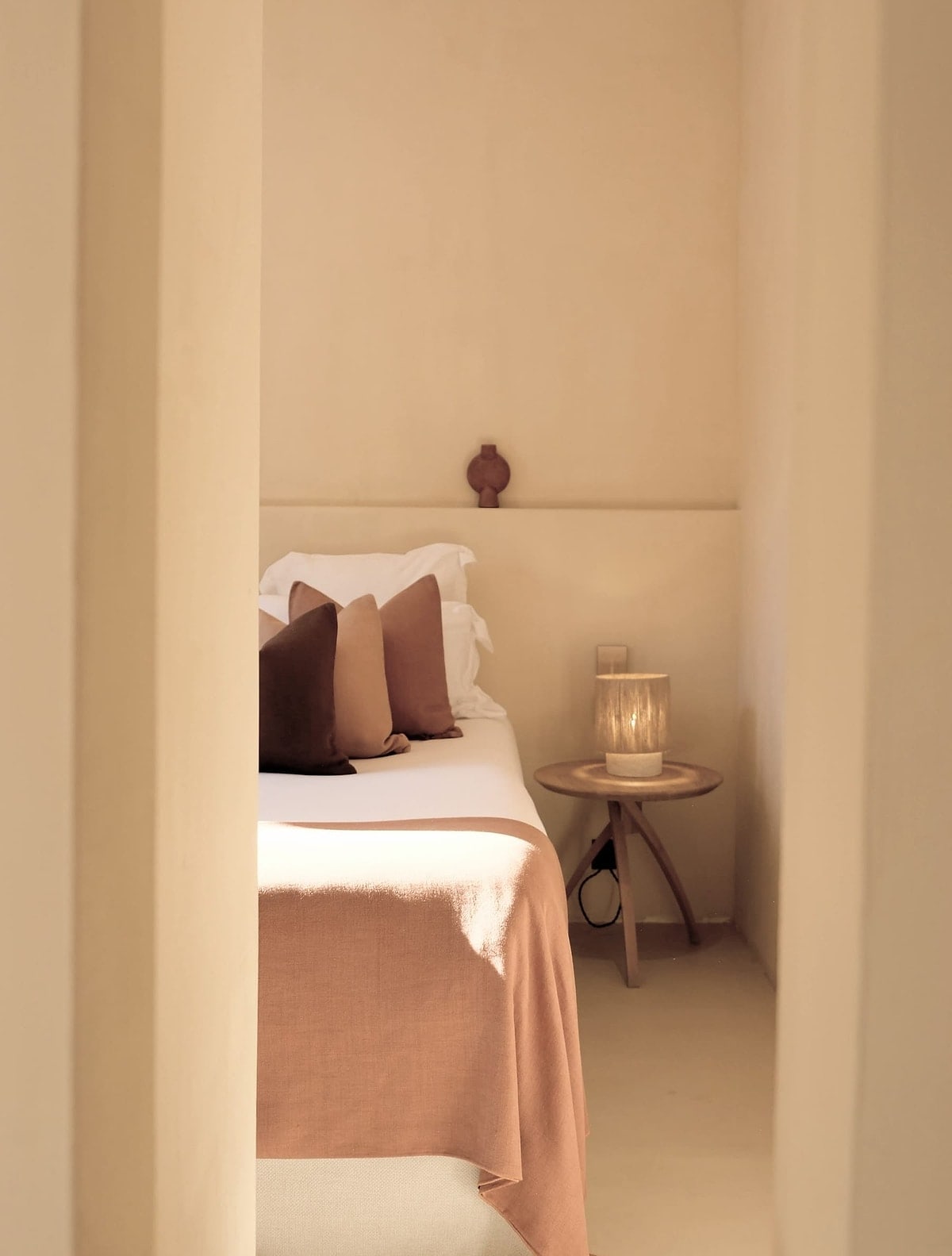
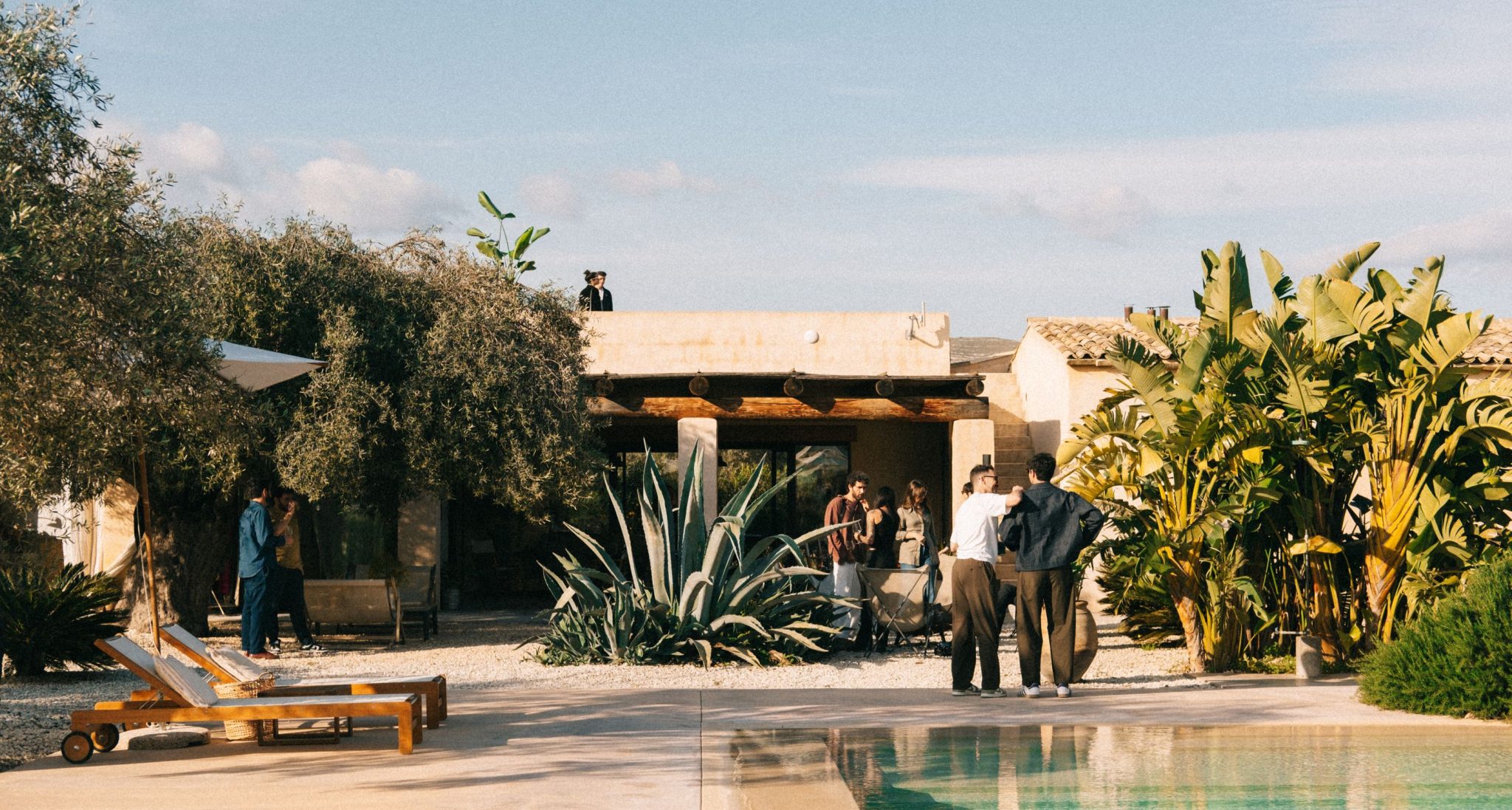
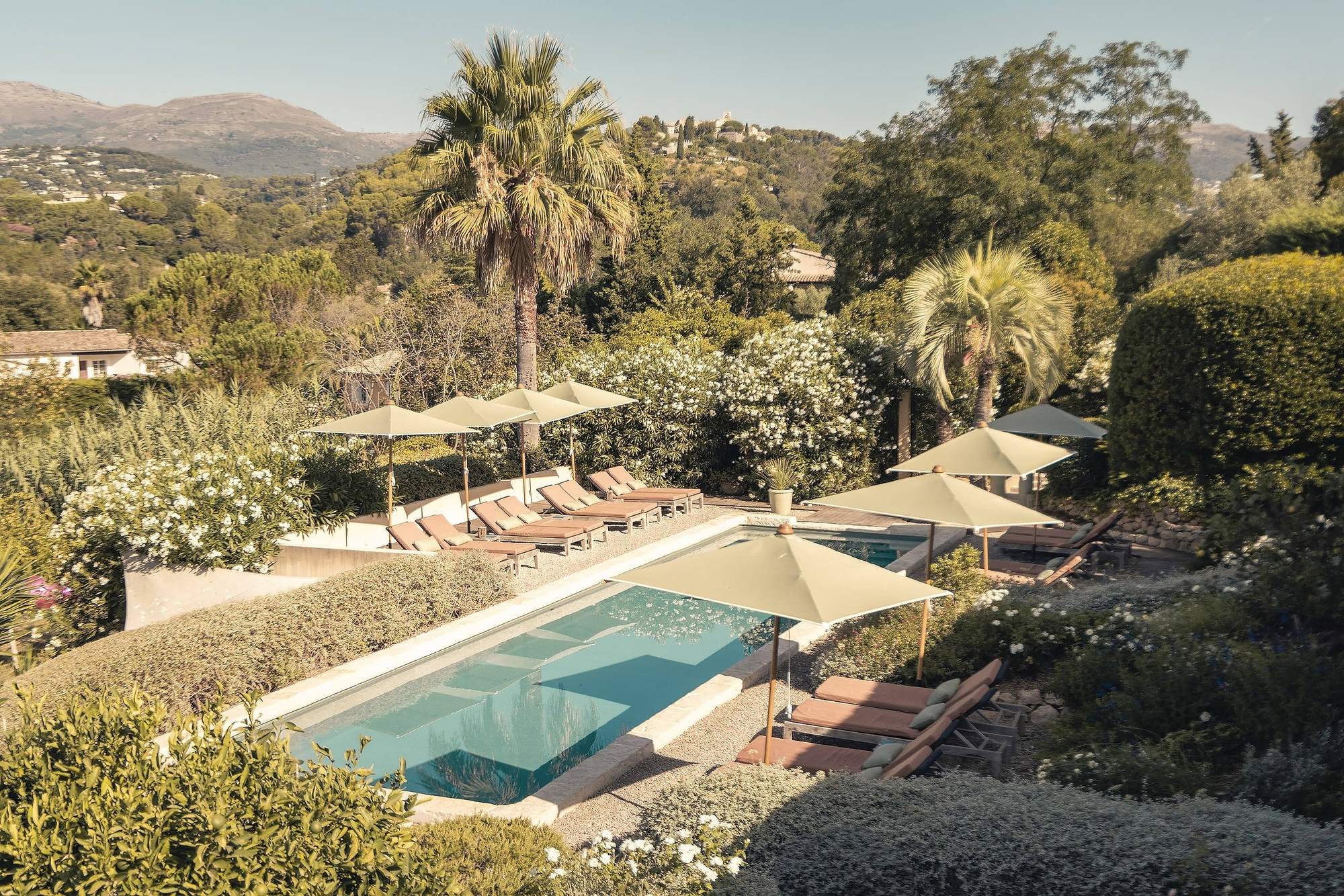
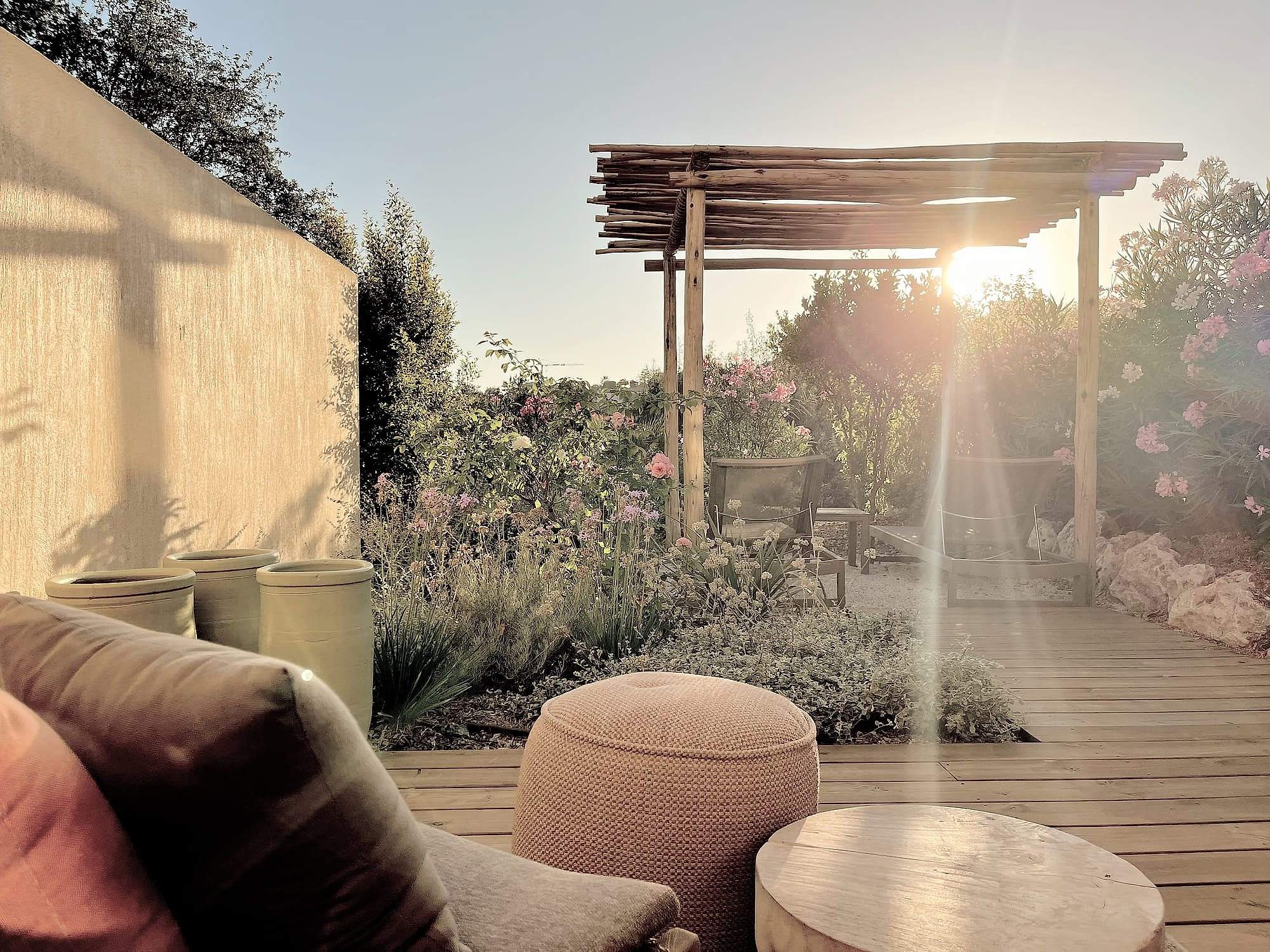
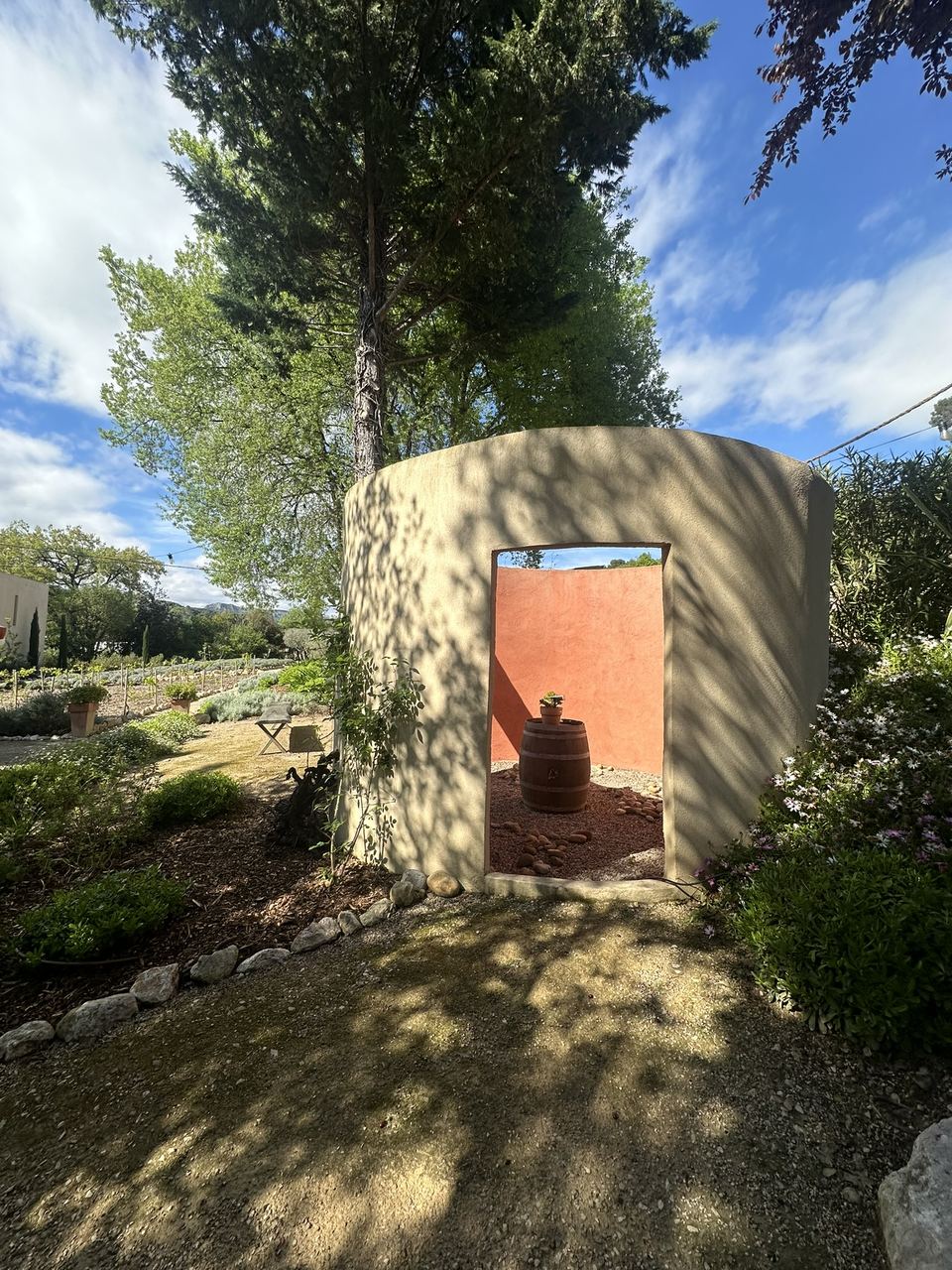
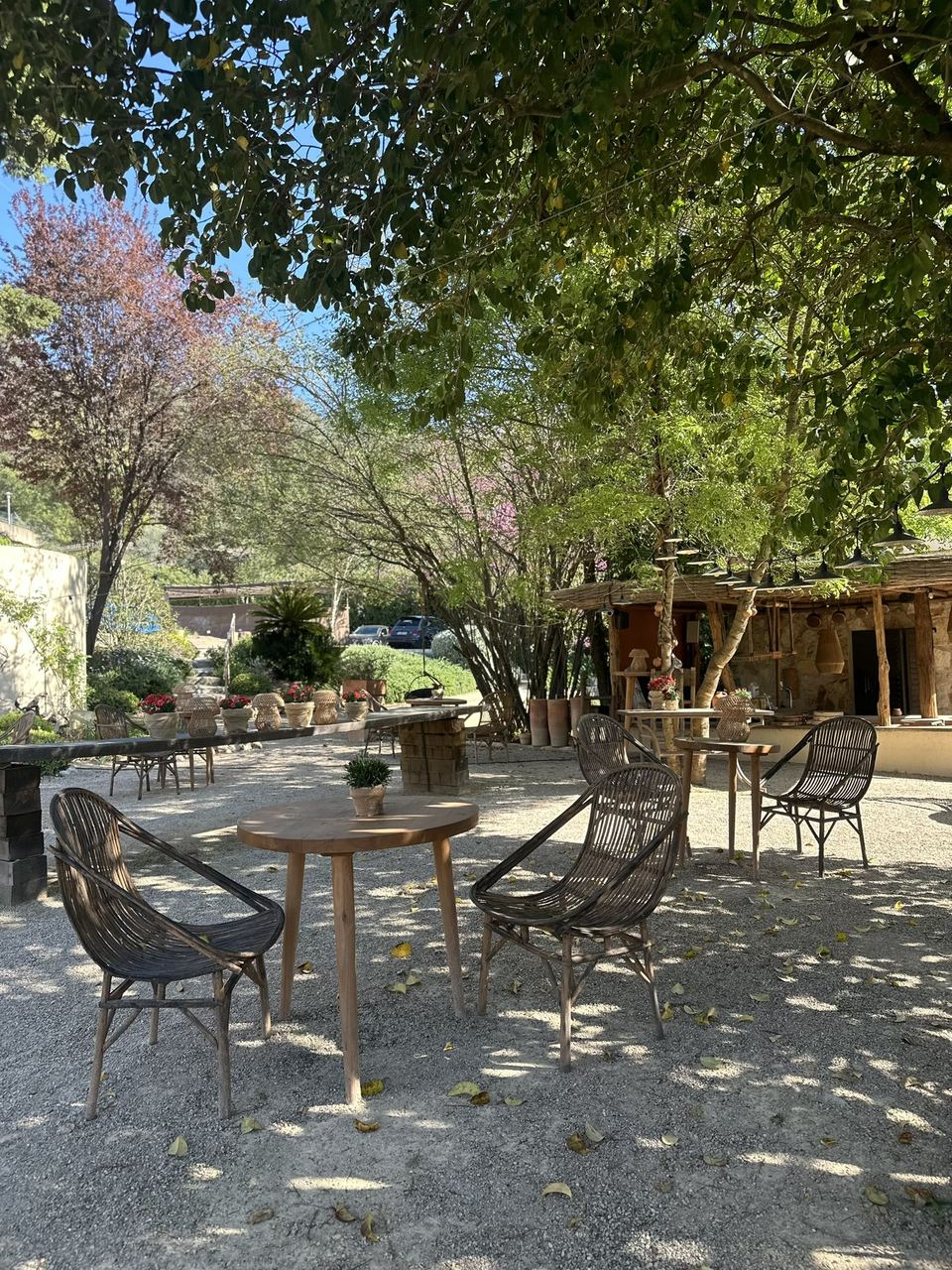
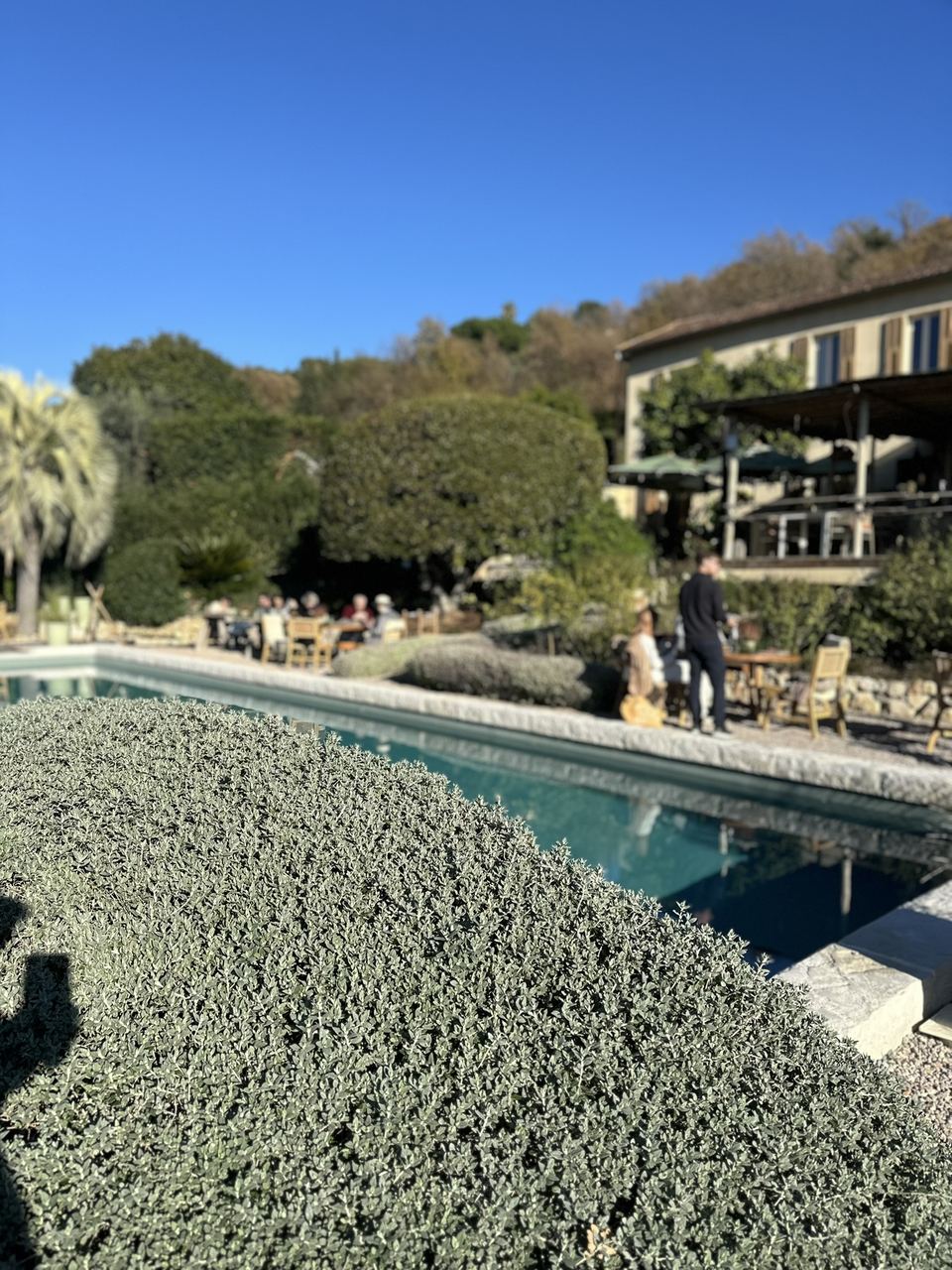
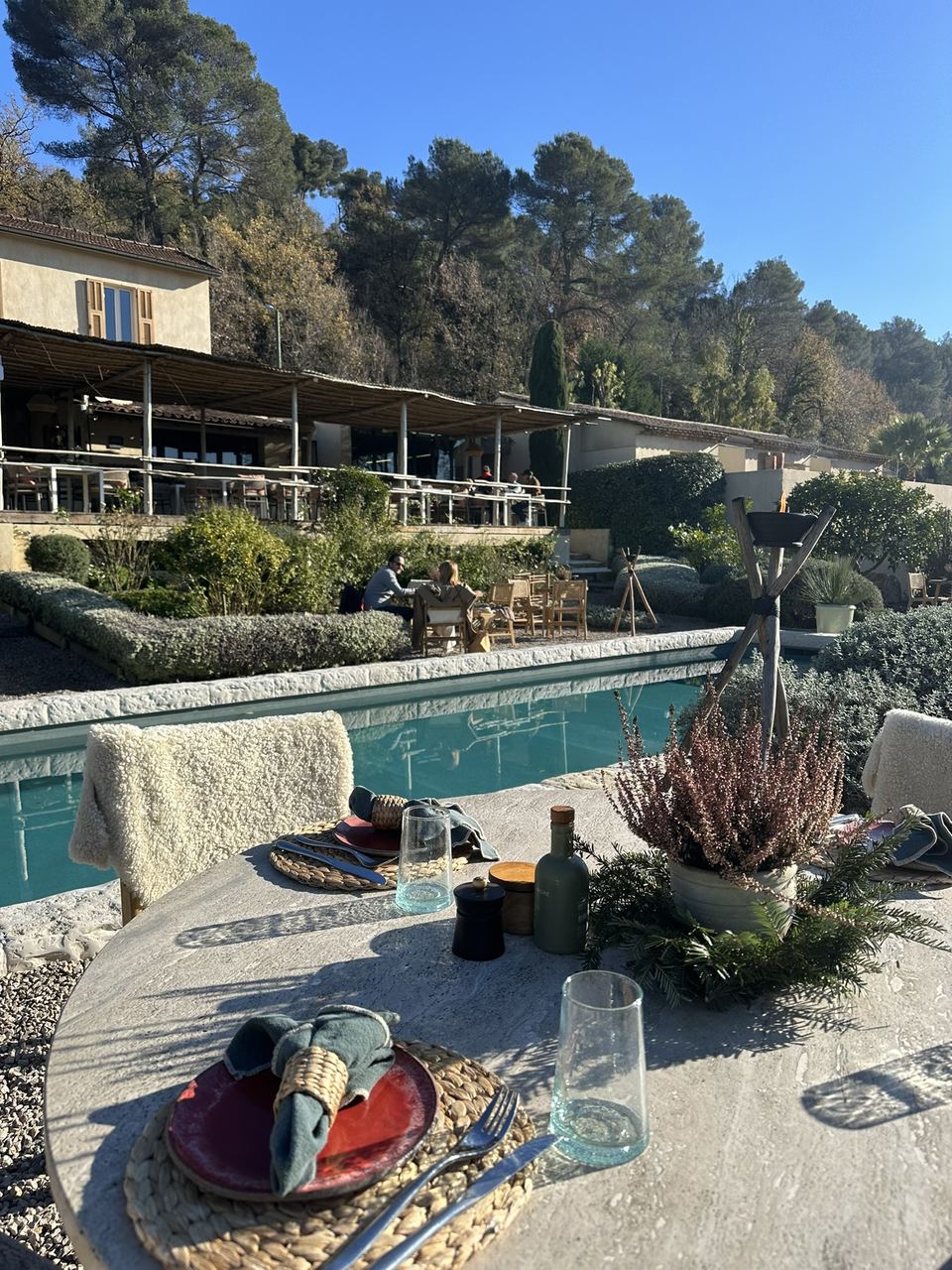
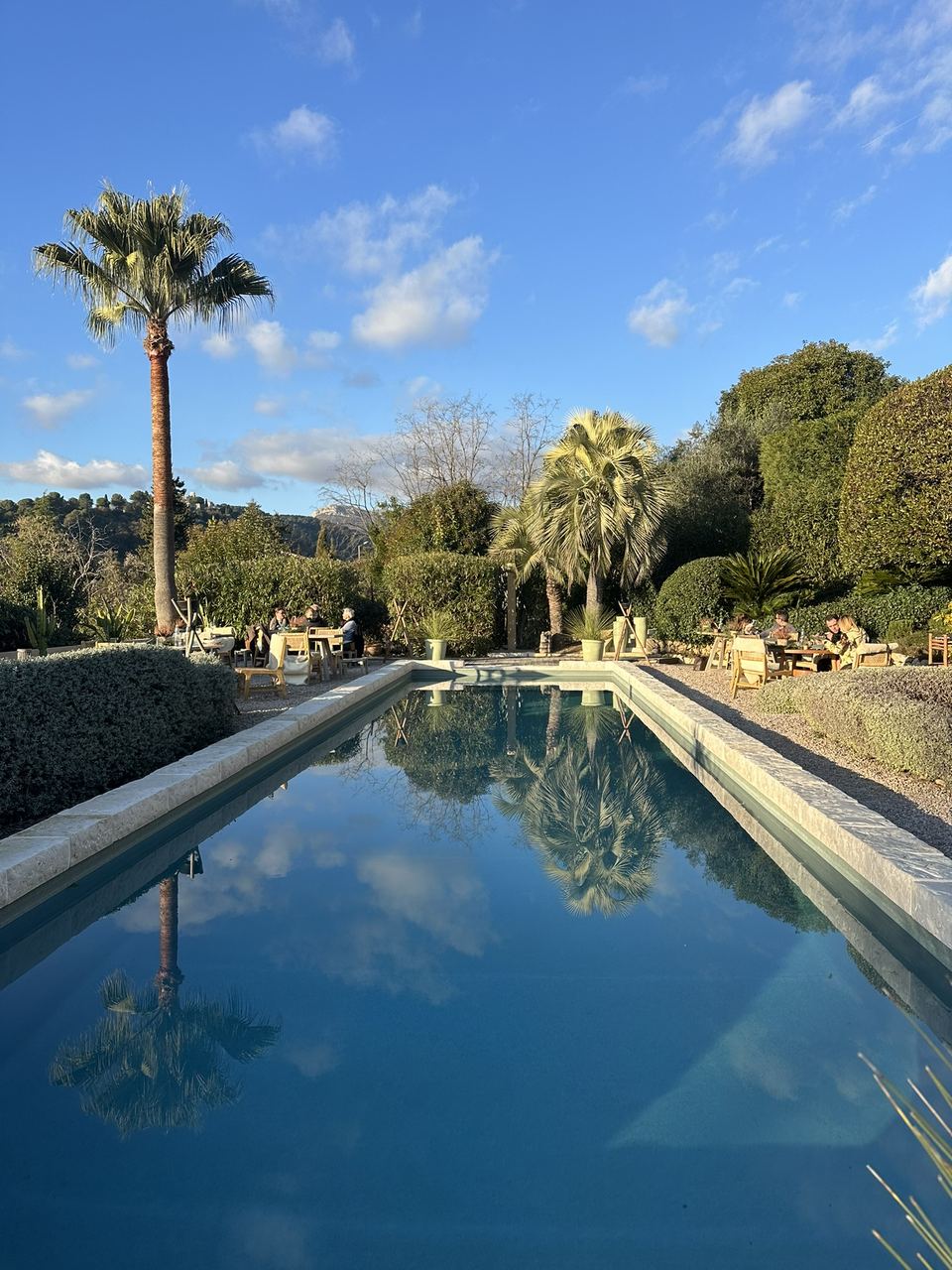
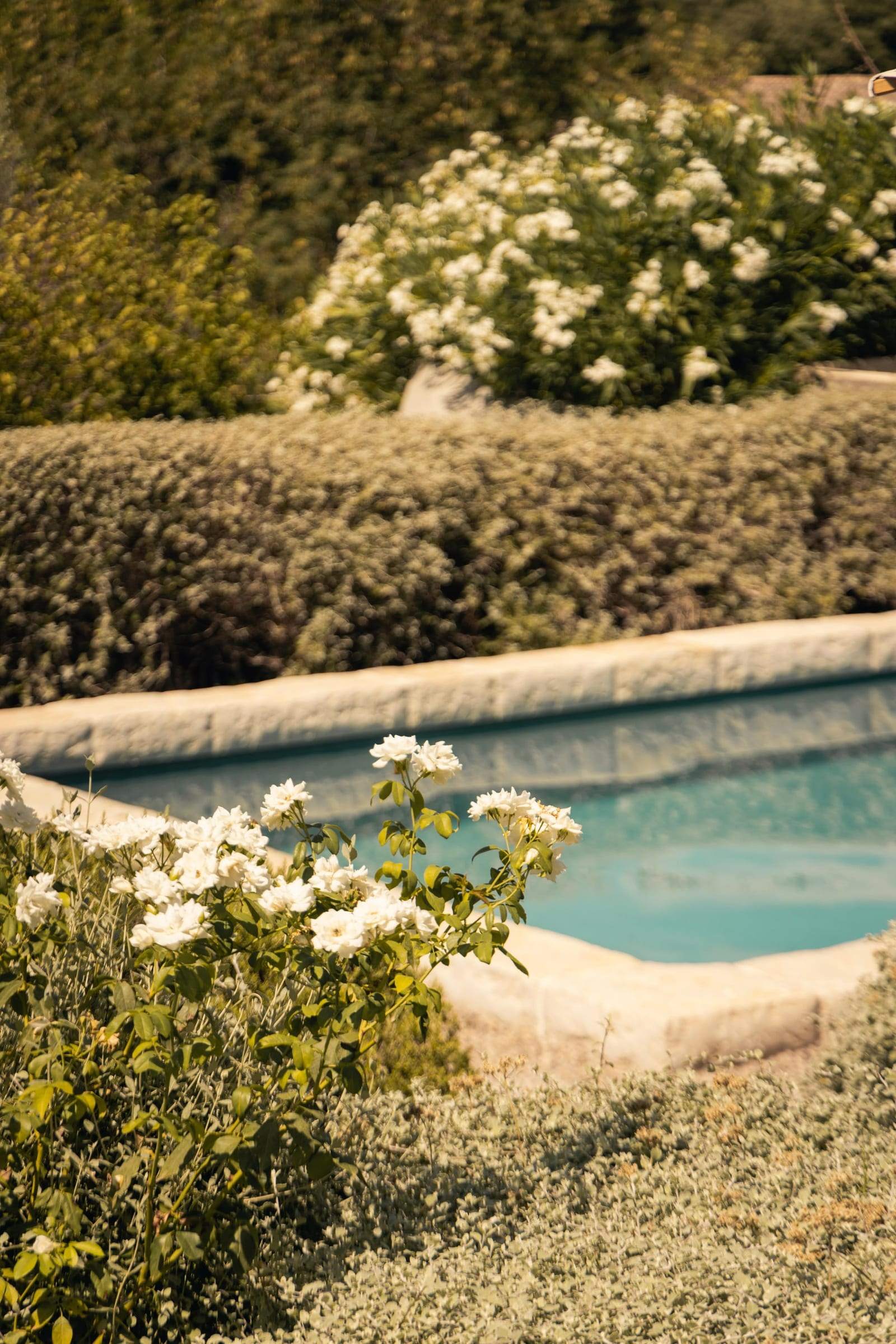
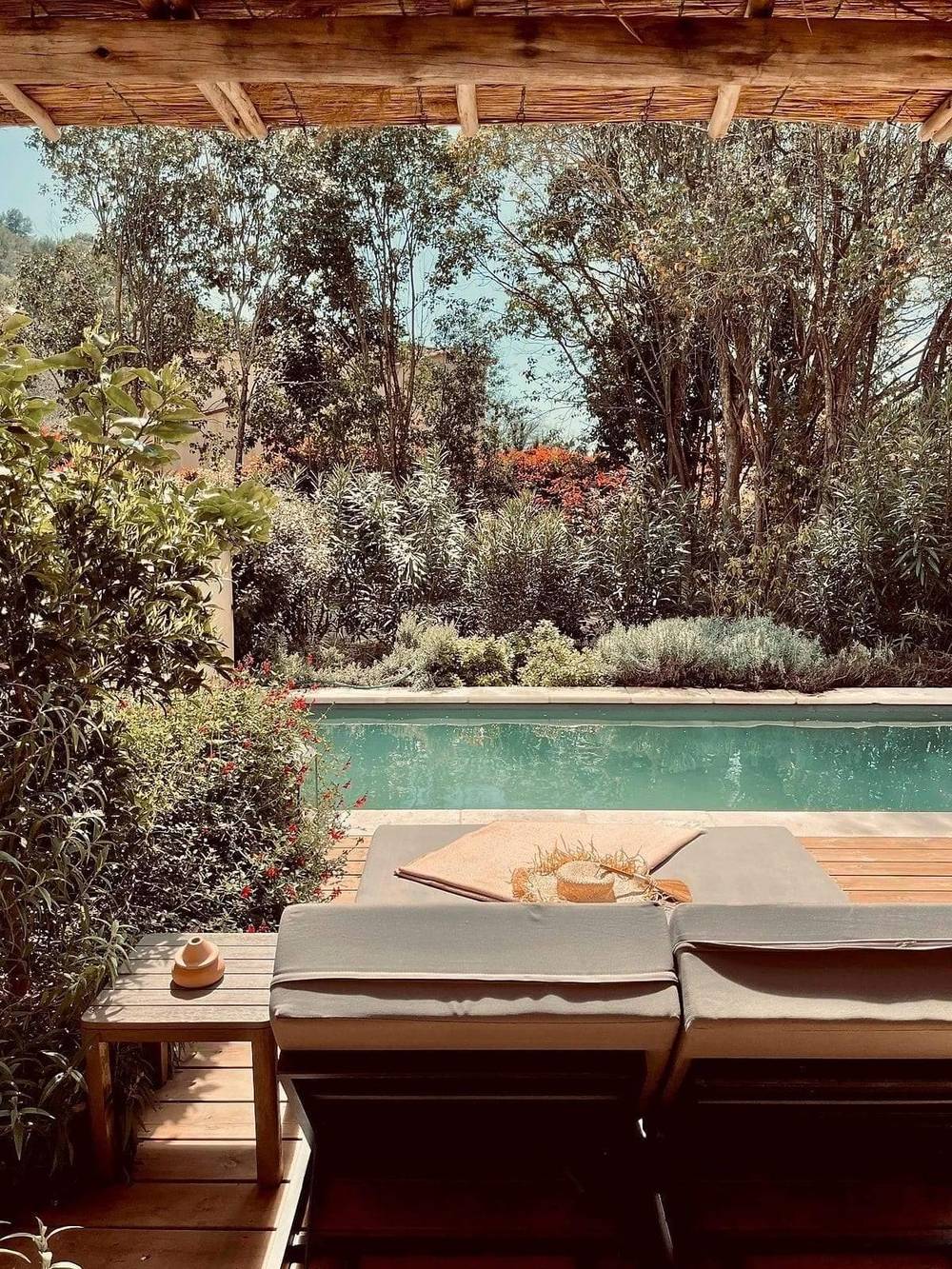
The project goes well beyond the rooms, though: three pools, two restaurants, 20,000 square metres of gardens and a contemporary art gallery form a whole setting for the stay, which can move freely from a swim to a visit to the gallery, from lunch in the shade of the trees to a walk among the sculptures. The domestic scale where it all began can still be felt in the freedom of moving from one space to the next, with no programme to follow.
Saint-Paul, where art is part of the landscape
Saint-Paul-de-Vence is one of those places where art belongs not only to museums but to the history of the land itself. From the 1920s the village became a destination for painters drawn by the light, the colours and the landscape of Provence; Paul Signac, Raoul Dufy and Chaïm Soutine were among the first artists to come, followed by a generation that would make Saint-Paul one of the most celebrated names in the artistic history of the Riviera.
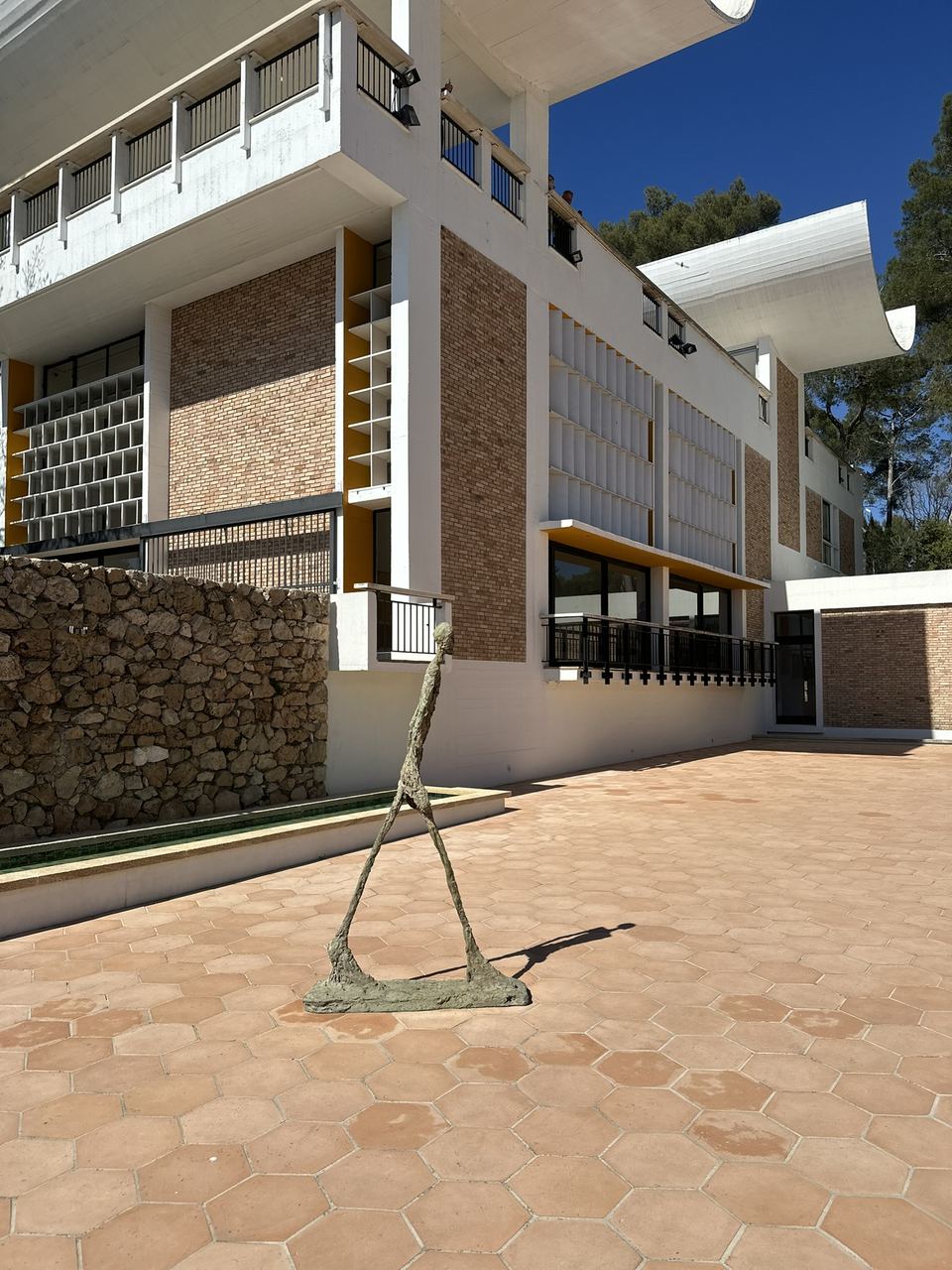
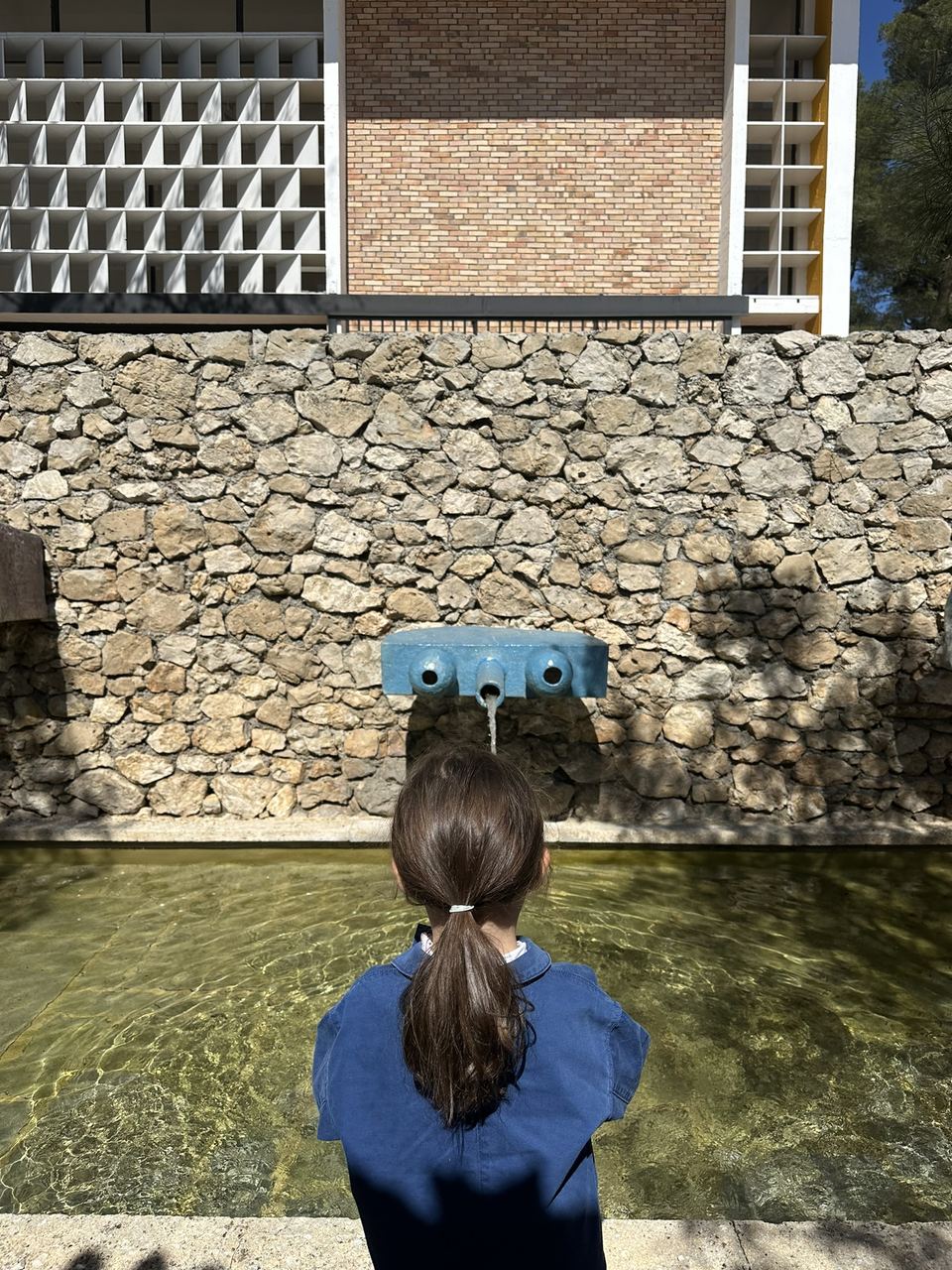
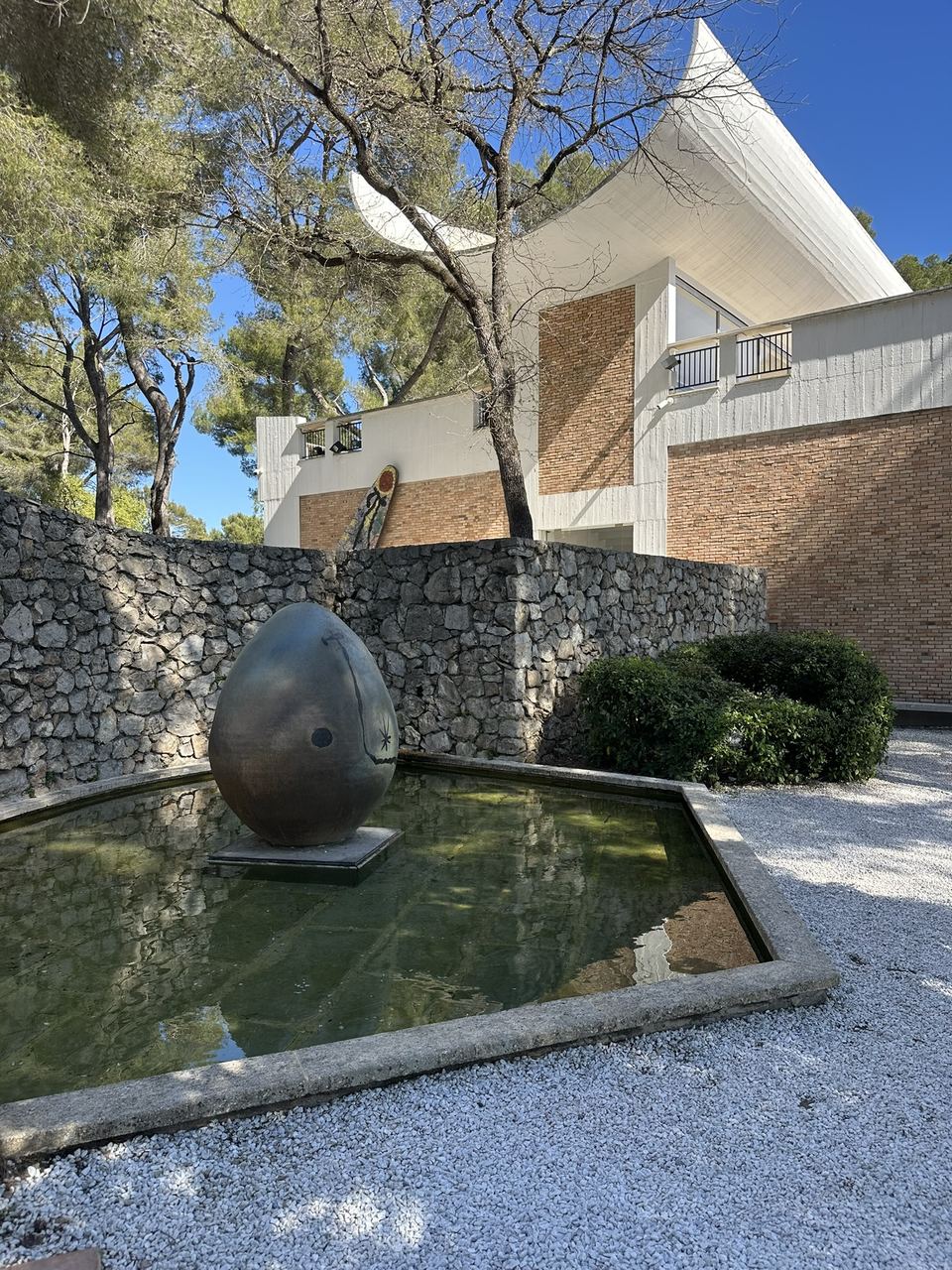
Picasso, Chagall, Matisse, Modigliani and many others left their mark on the village's cultural history, while the Fondation Maeght, opened in 1964 and designed by Josep Lluís Sert, carried this tradition into modern and contemporary art. Today the link with artistic research continues through new spaces and galleries, among them Toile Blanche Contemporary, set within the Leroy property.
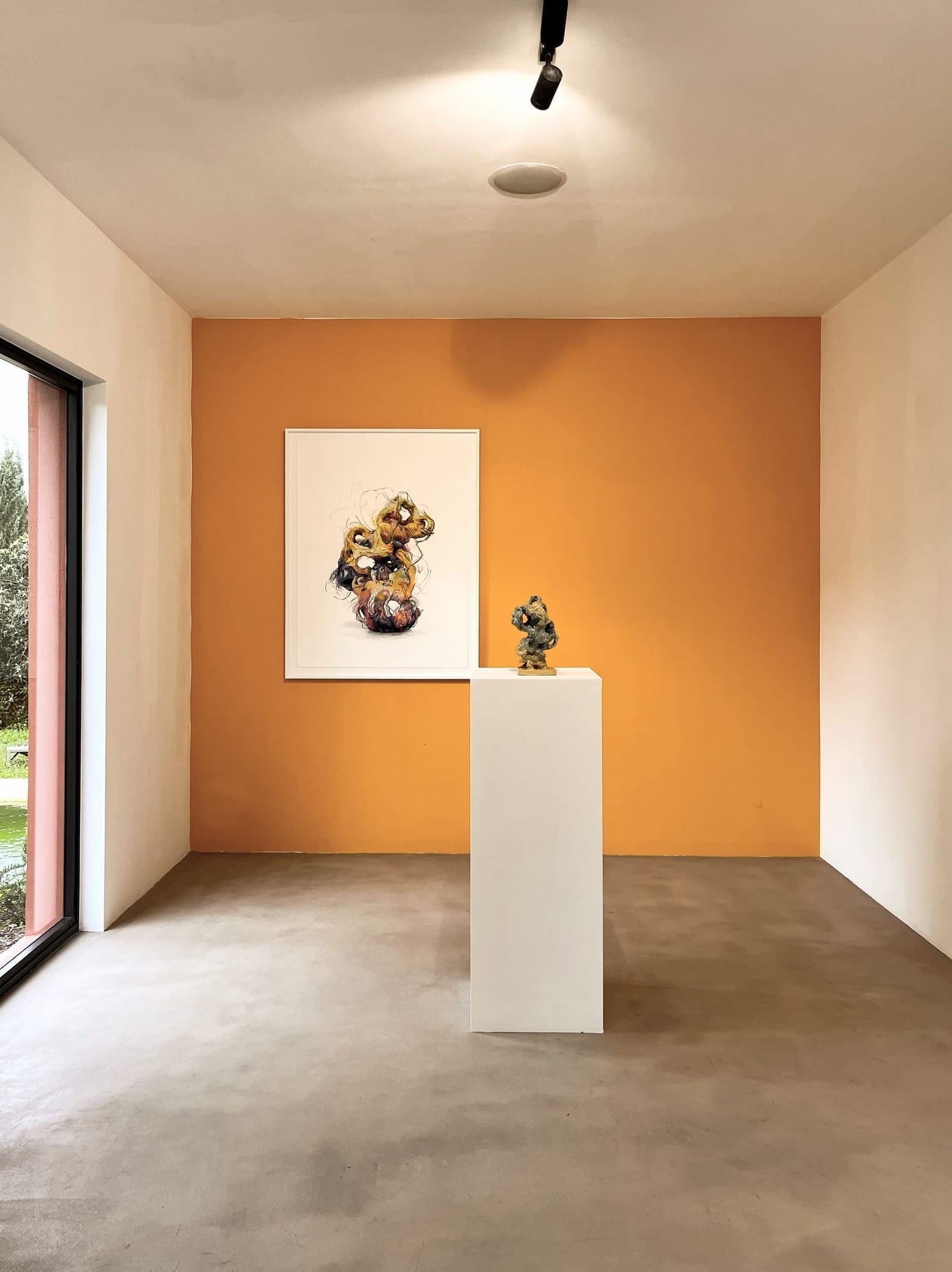
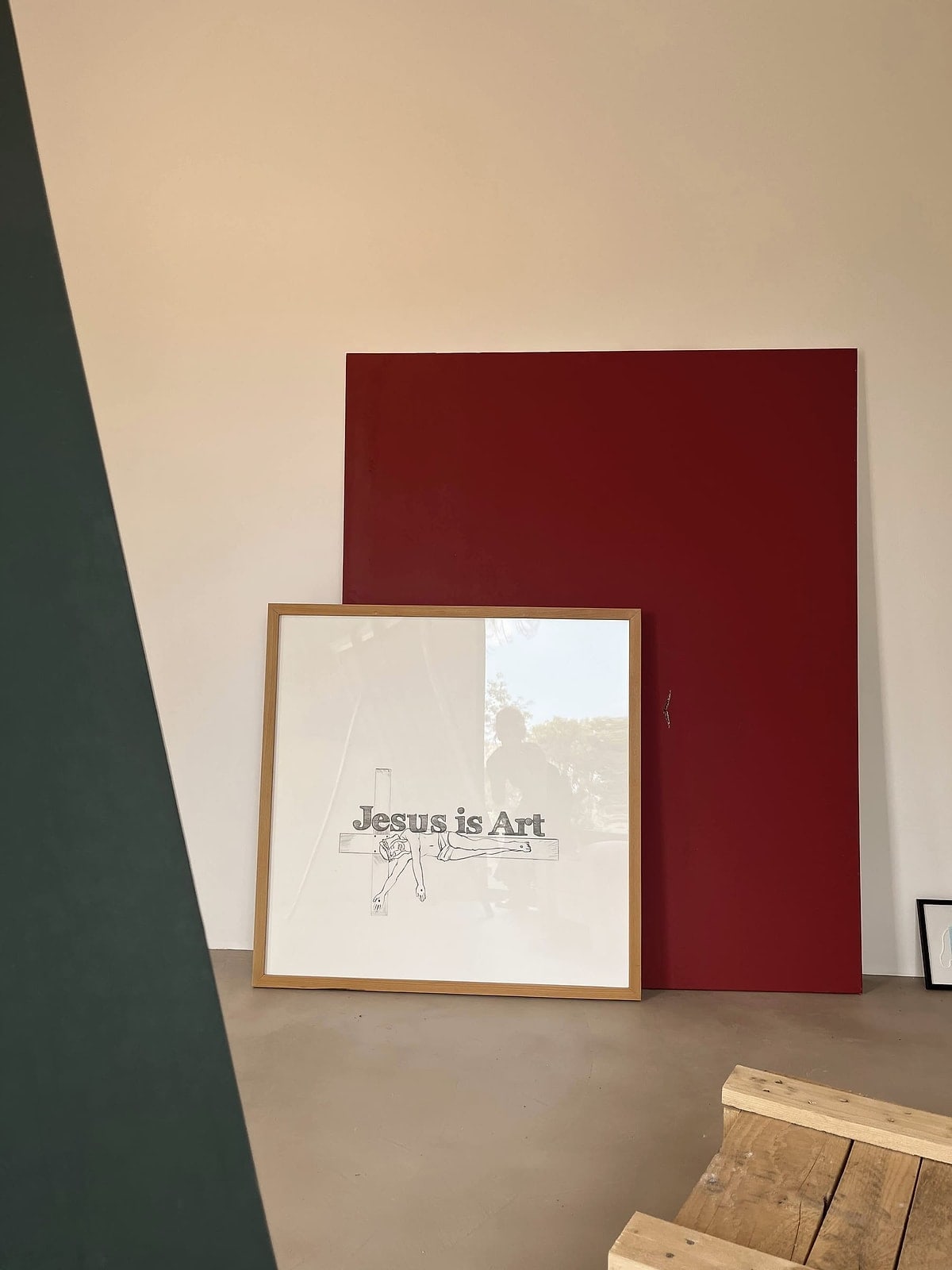
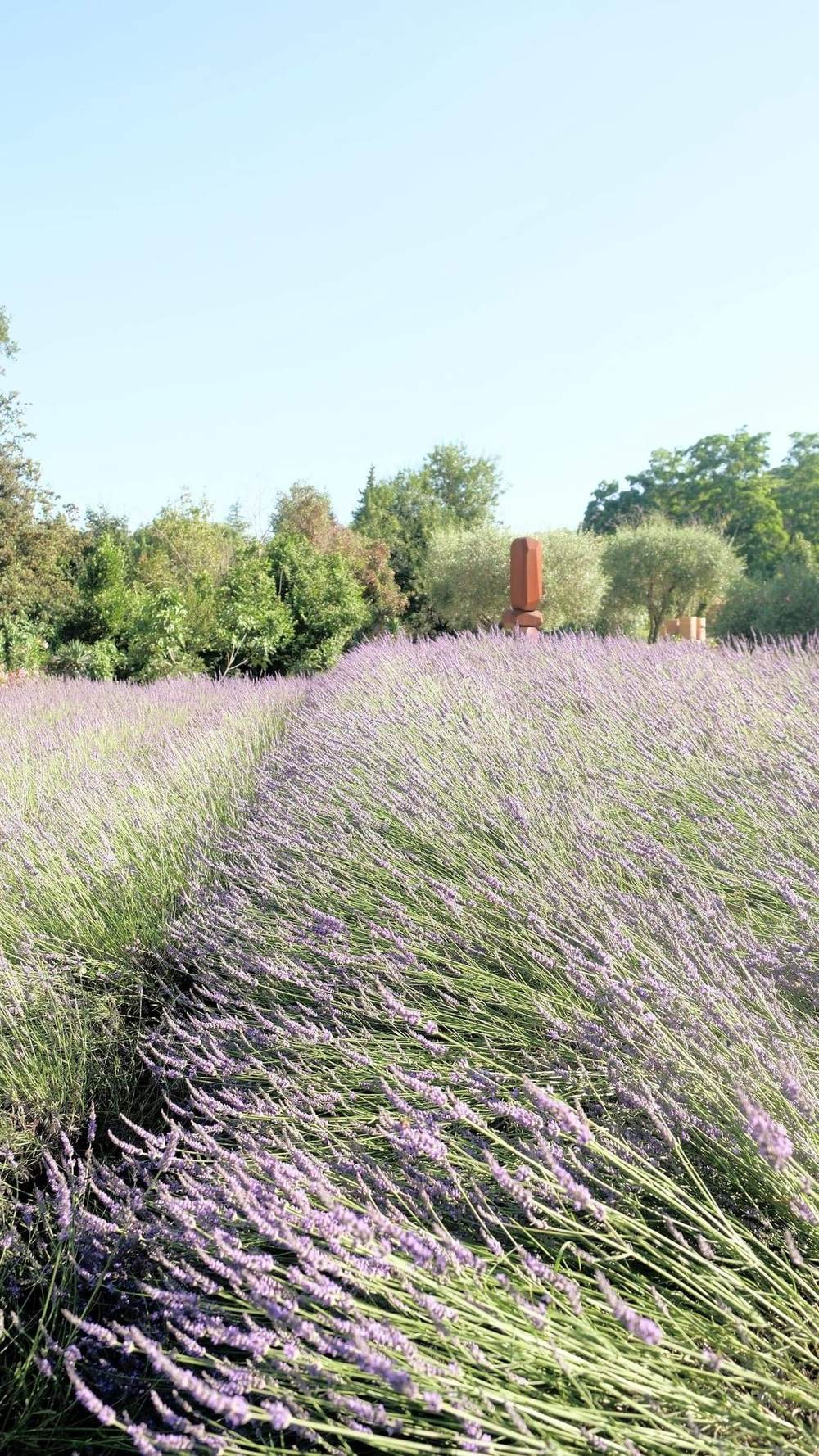
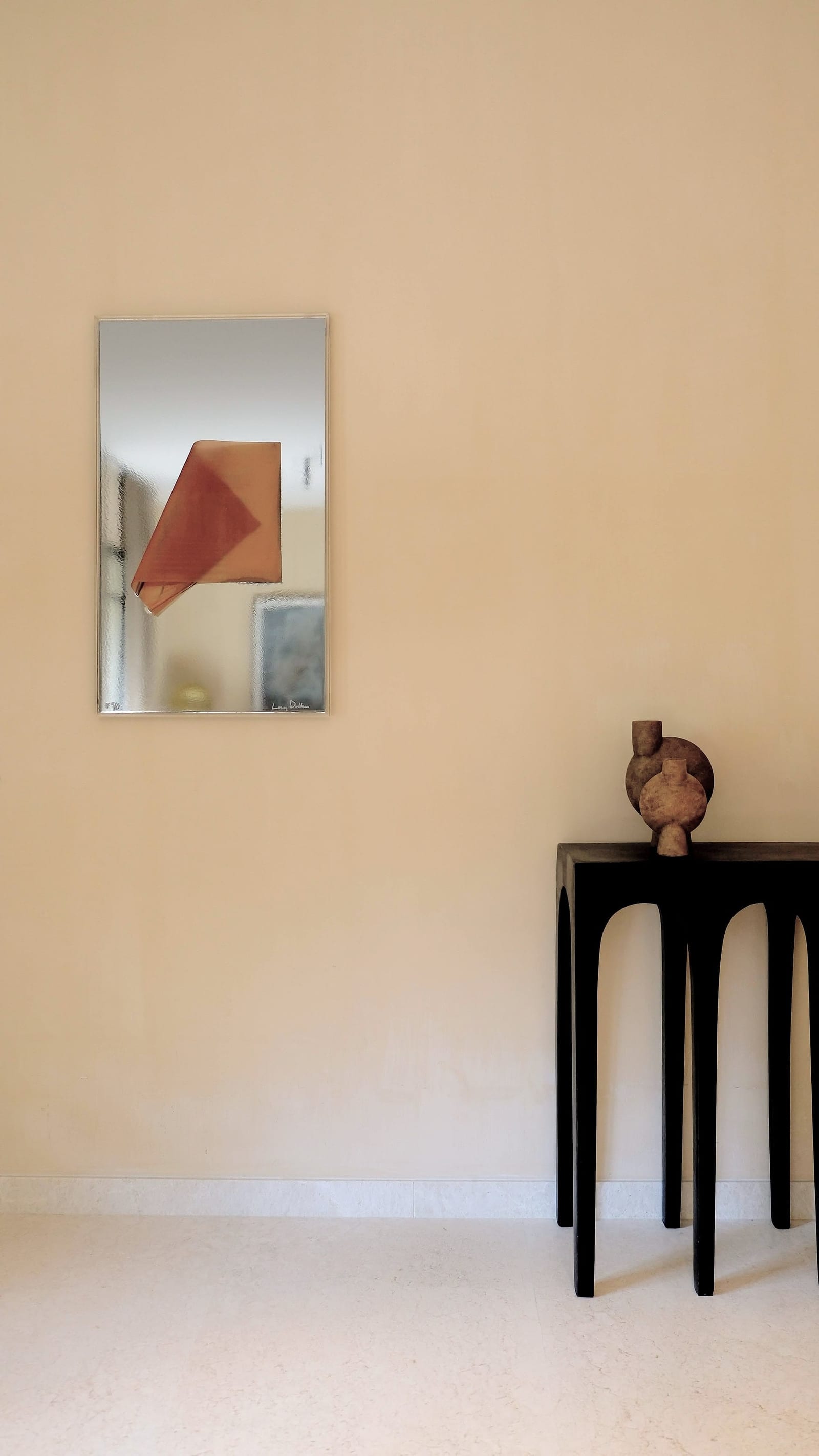
Here Toile Blanche goes a step further: rather than simply quoting the artistic tradition of Saint-Paul-de-Vence, it builds a contemporary continuation of it. Works by the Leroy Brothers sit alongside those of guest and resident artists, and sculptures are scattered through the gardens among olive trees, palms, cypresses, fruit trees and Mediterranean planting. The artists on record include Arik Levy, Gregory Orekhov, Raymond Leroy and Aurore, a virtual artist the brothers developed with artificial intelligence.
The gallery also runs a programme of exhibitions and residencies that brings new artists into this ecosystem, so the works change over the year and every visit finds something new. In 2026, for instance, the Toile Blanche Sessions programme presented the artist John Franzen in collaboration with Galerie Podgorny, confirming the property's calling to work at once as a place to stay, an exhibition space and a meeting place.
Provence in flavours and scents
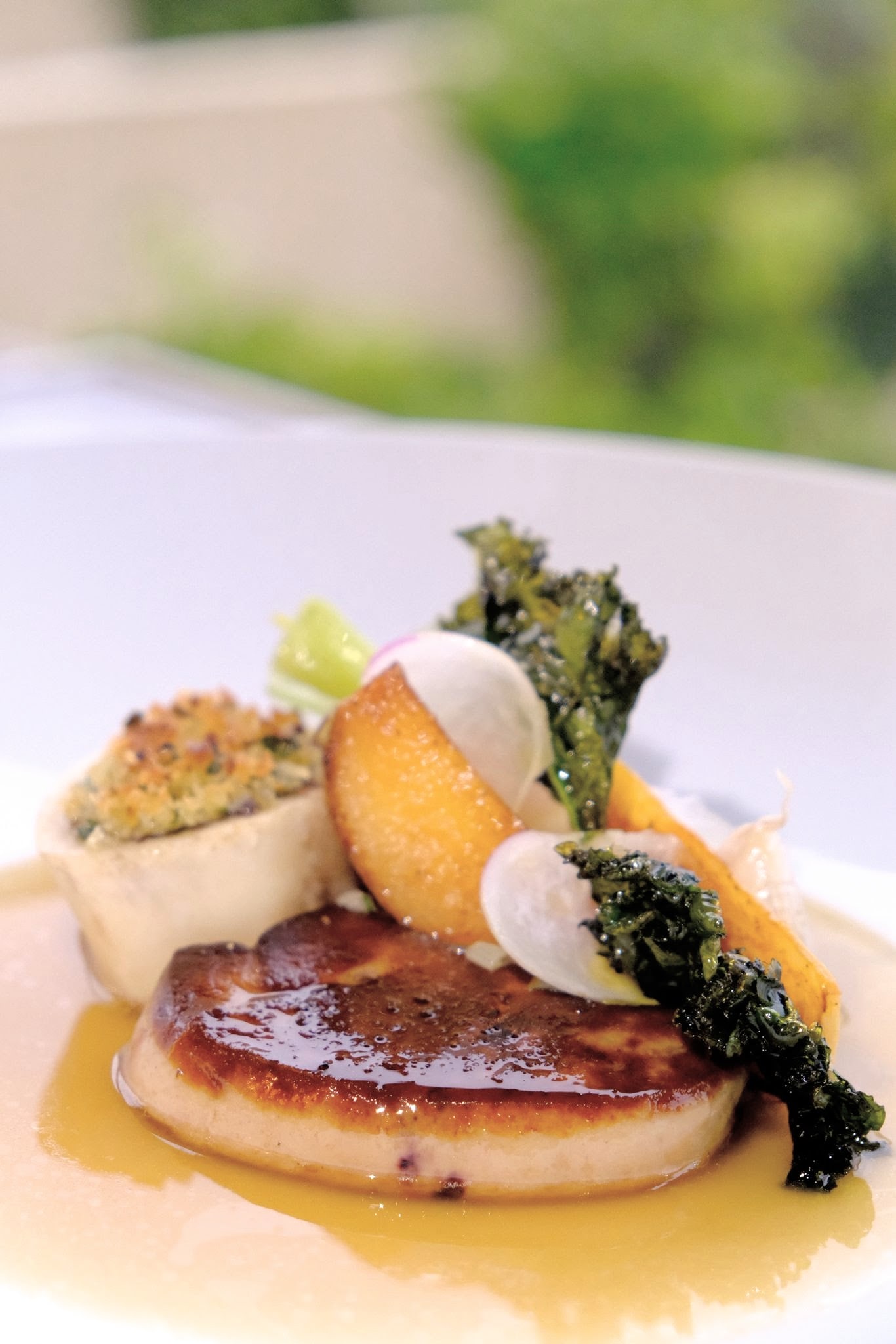
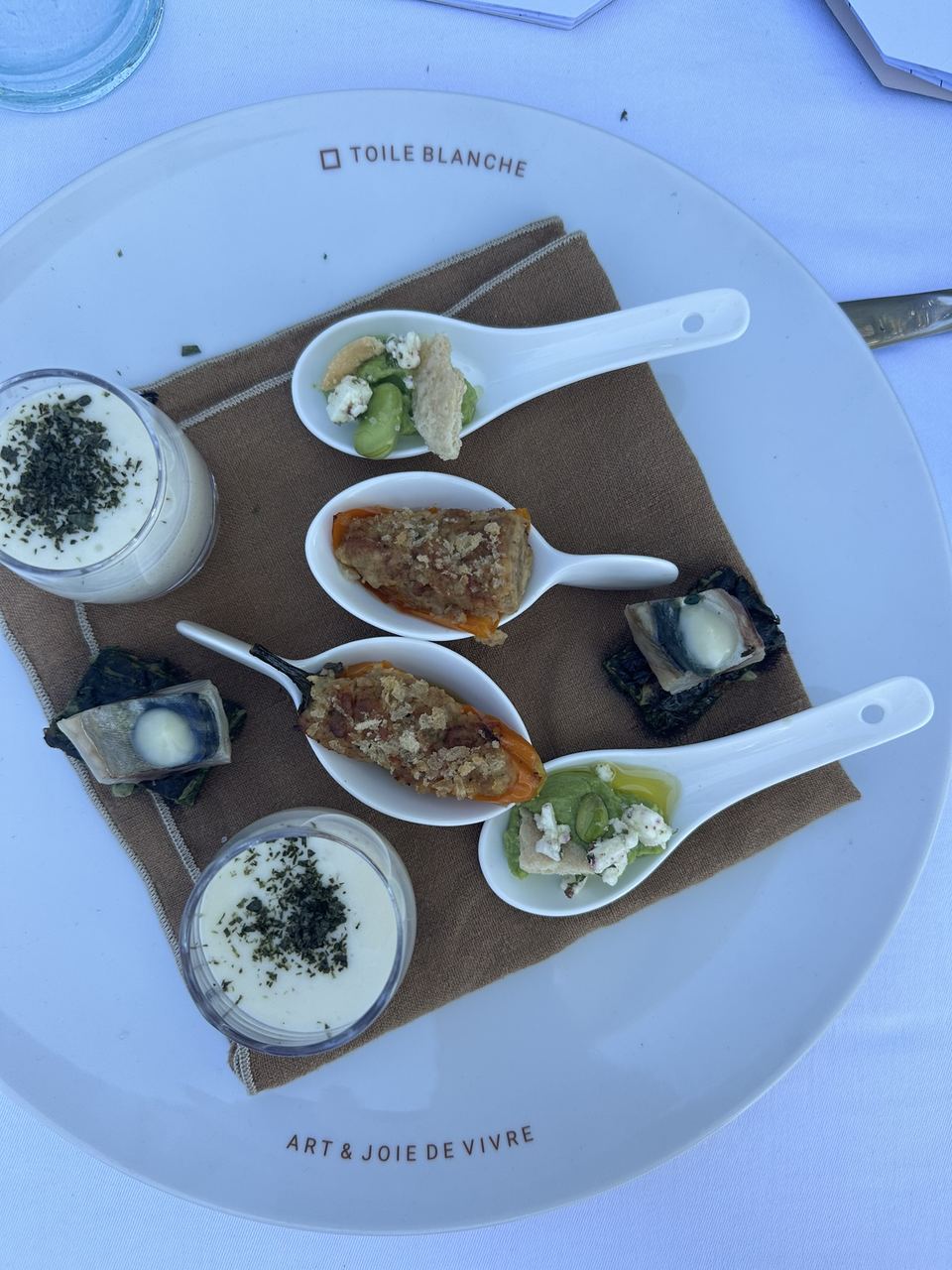
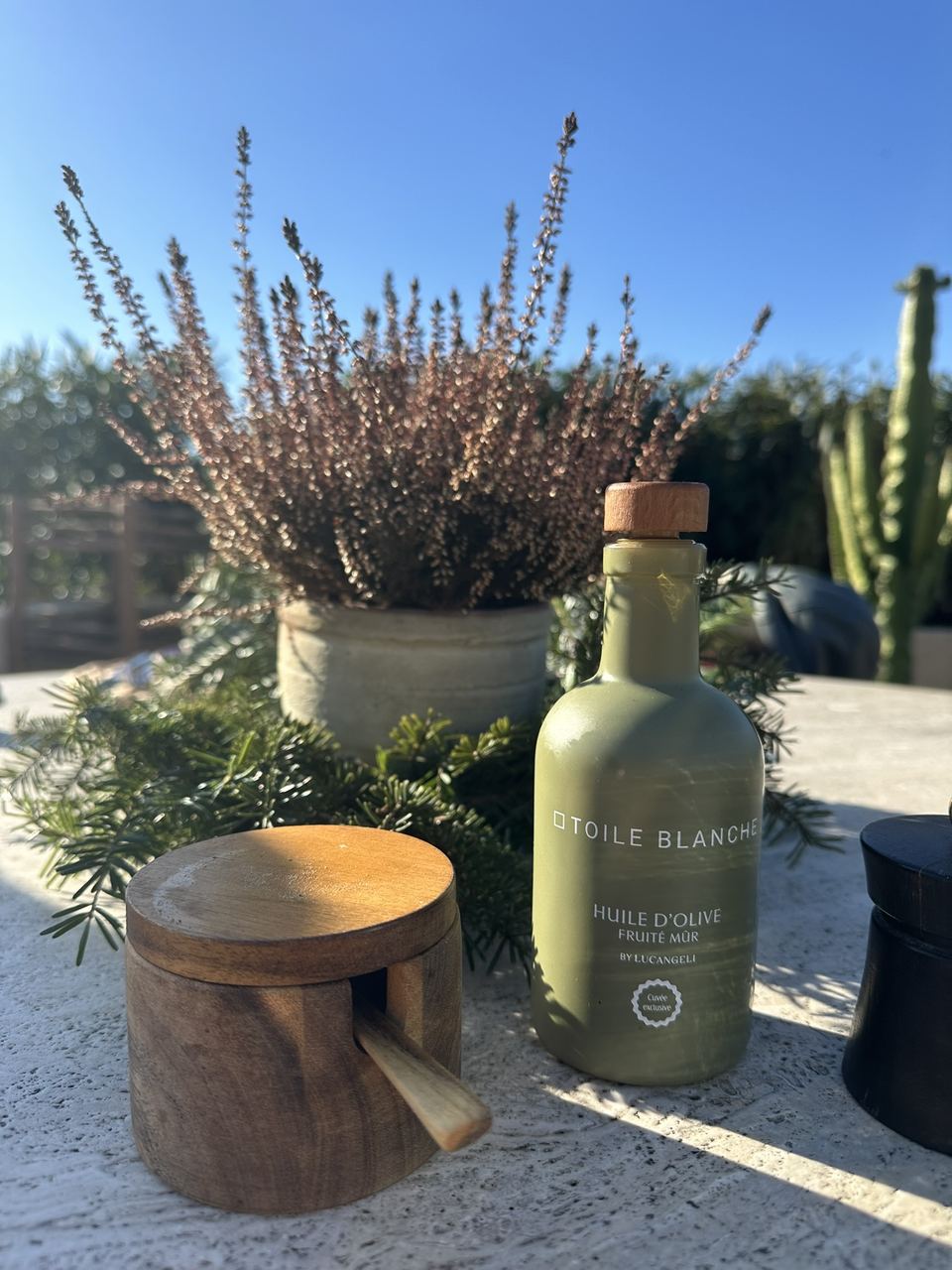
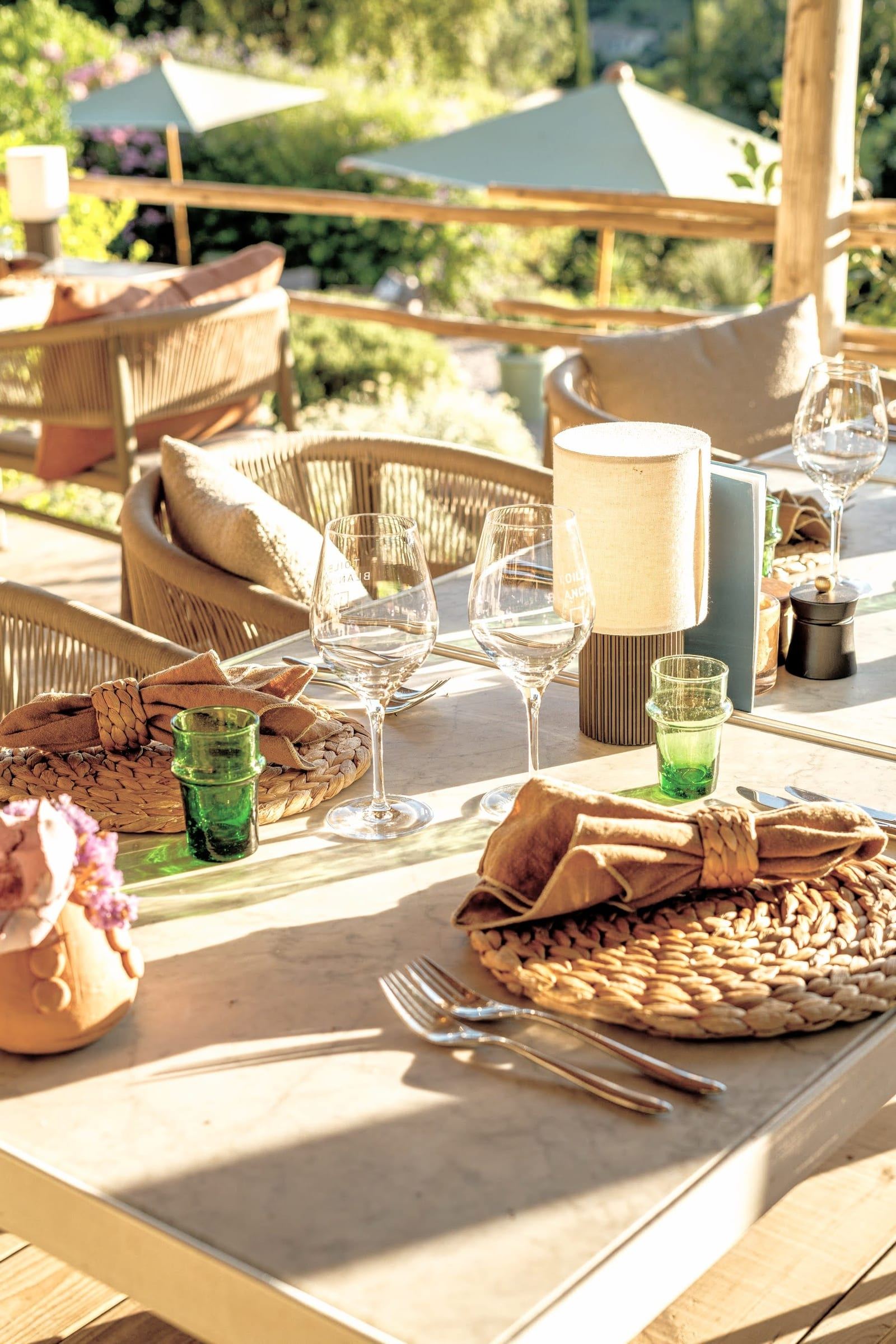
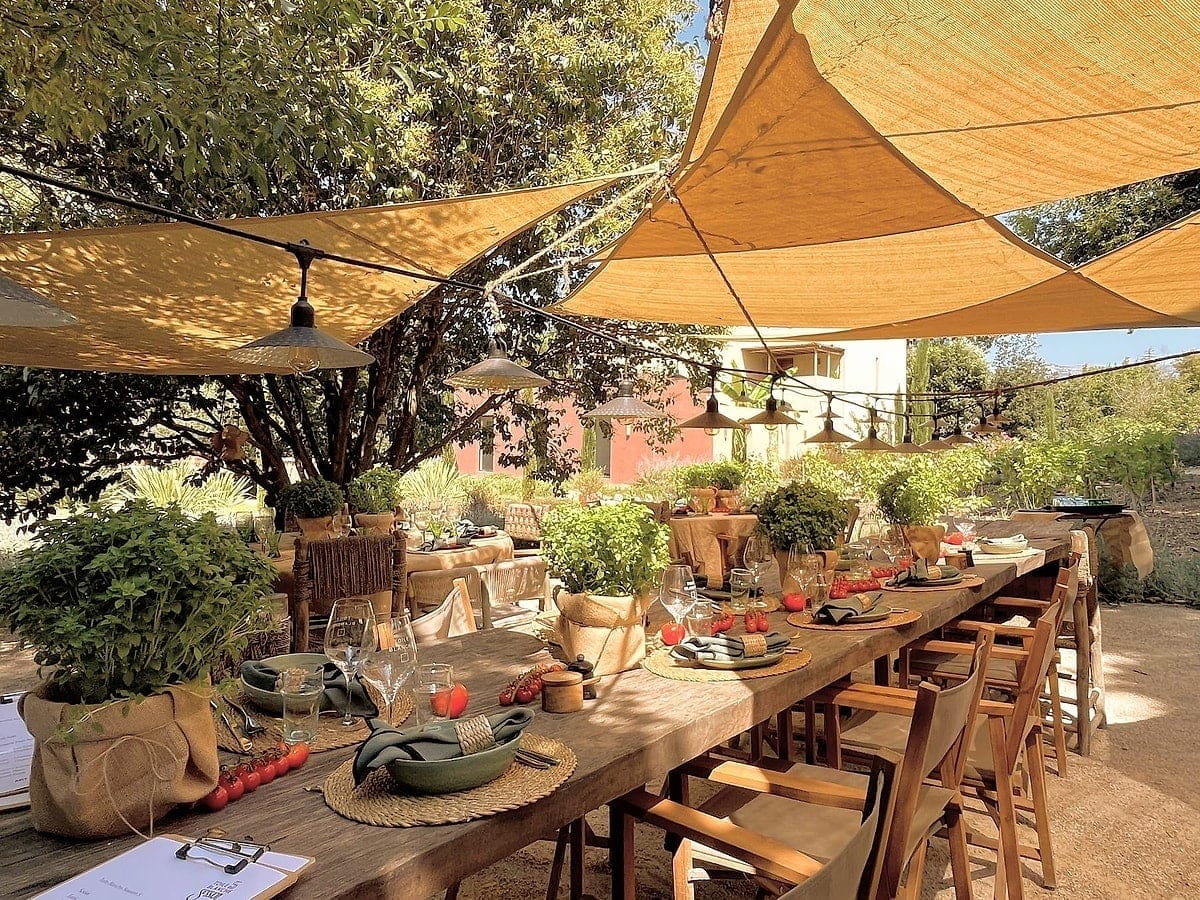
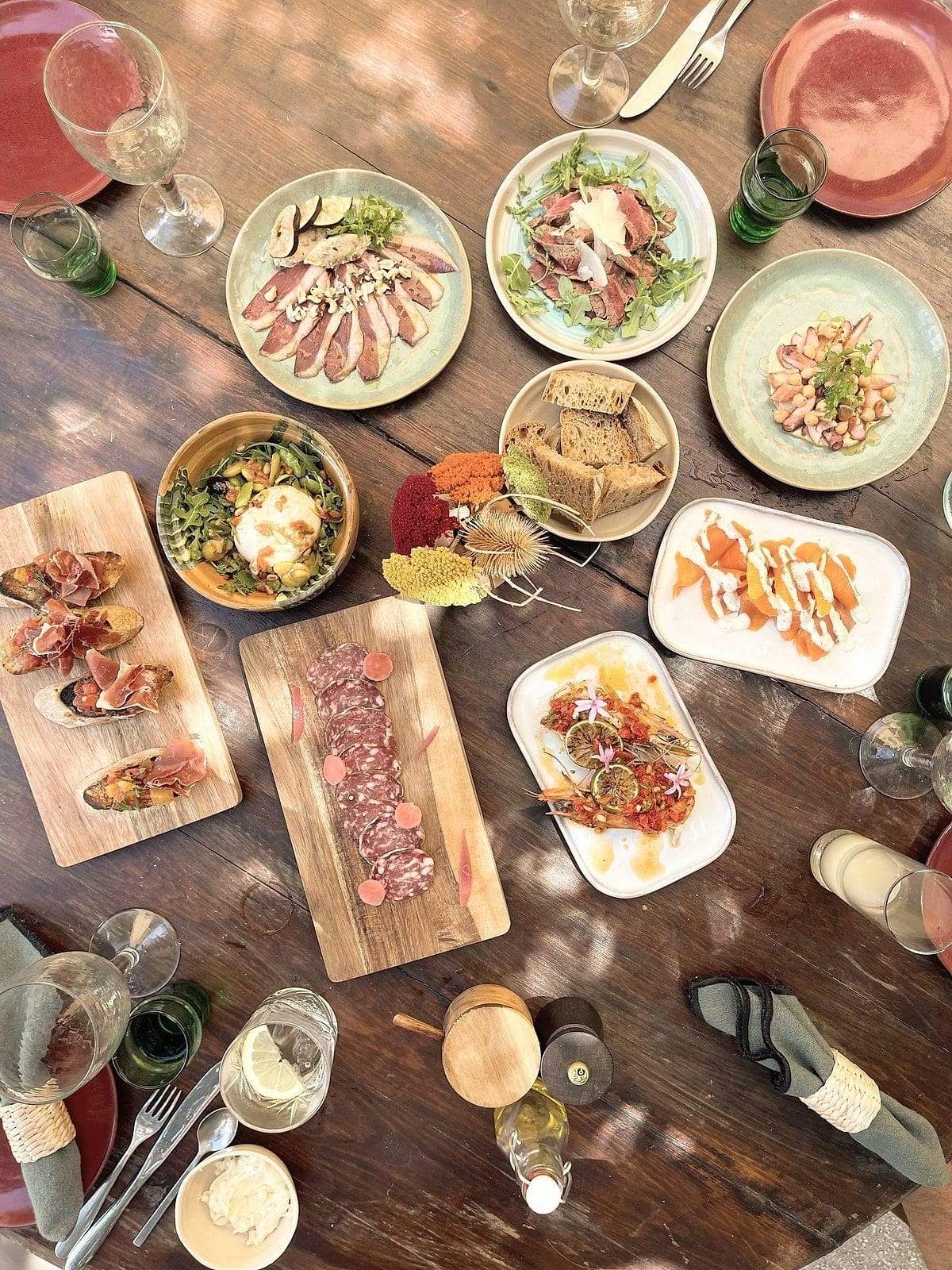
The kitchen follows the same philosophy as the rest of the property, favouring seasonal ingredients, local producers and a contemporary reading of the Mediterranean tradition. Le Restaurant, open every evening all year round, cooks around the produce of the region, while La Guinguette brings lunch into the heart of the garden, among the trees, the pool and casually laid tables, with Provençal dishes to share and a menu that follows the season.
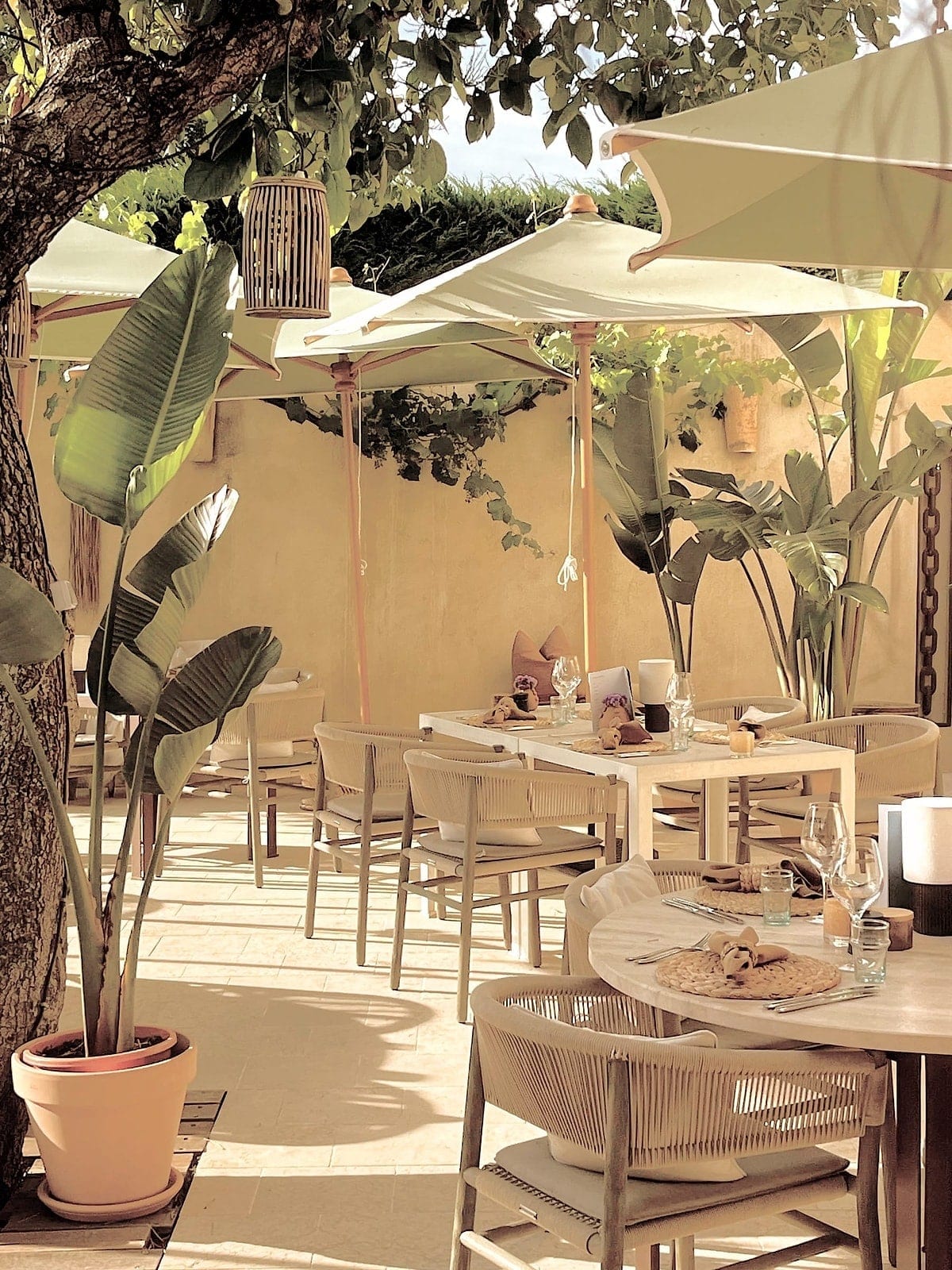
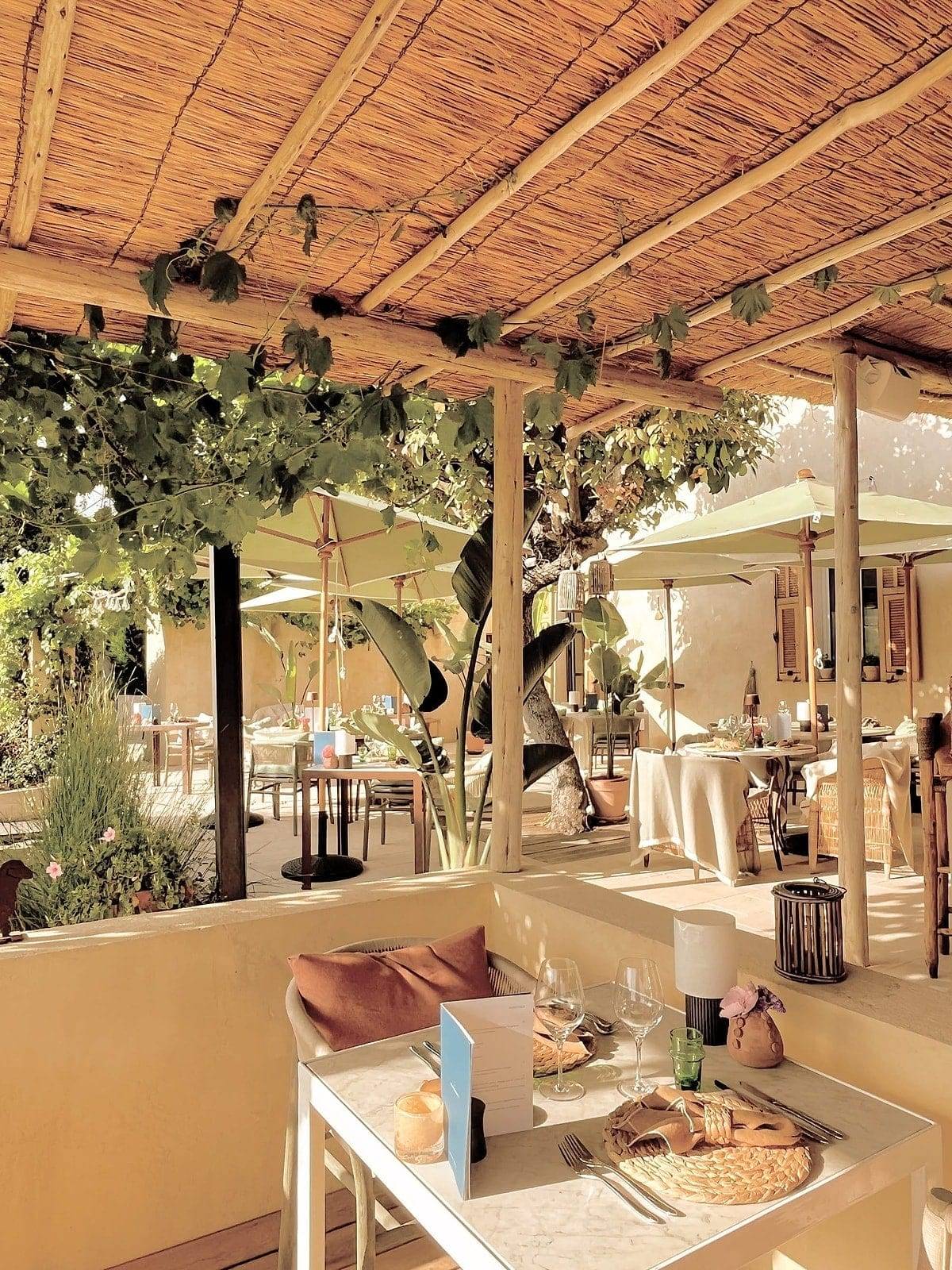
The kitchen is in the hands of chef Nicolas Leclair and his team, whose work starts from the raw ingredients and looks to local tradition without turning it into folklore. The wine list goes the same way, favouring producers from Provence and appellations such as Bellet, Bandol and Cassis, in direct connection with the land around Saint-Paul-de-Vence.
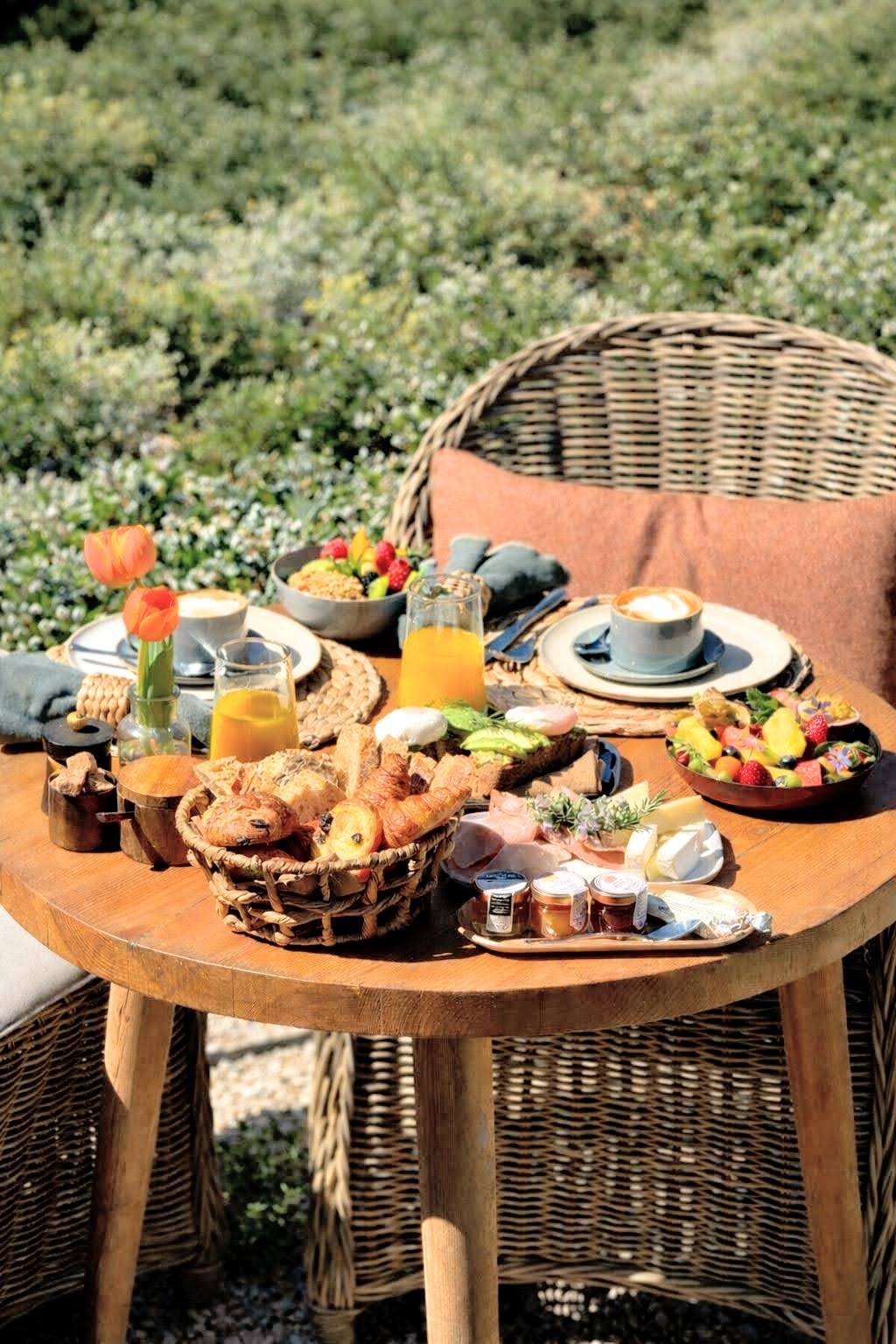
Breakfast, served every morning, keeps a more homely character, with bread from a local bakery, seasonal fruit, honey, jams, cheeses, eggs, fresh juices and coffee, taken in the breakfast room or on the terrace as the garden comes to life.
At Toile Blanche art is part of the way the landscape is lived in: you come across it in the rooms as much as in the garden. What interests me is this overlap of home, garden, artworks and hospitality, a project that has grown over time and kept the spontaneous character of a place that is truly lived in.
Paolo Casati, Creative Director, Fuorisalone
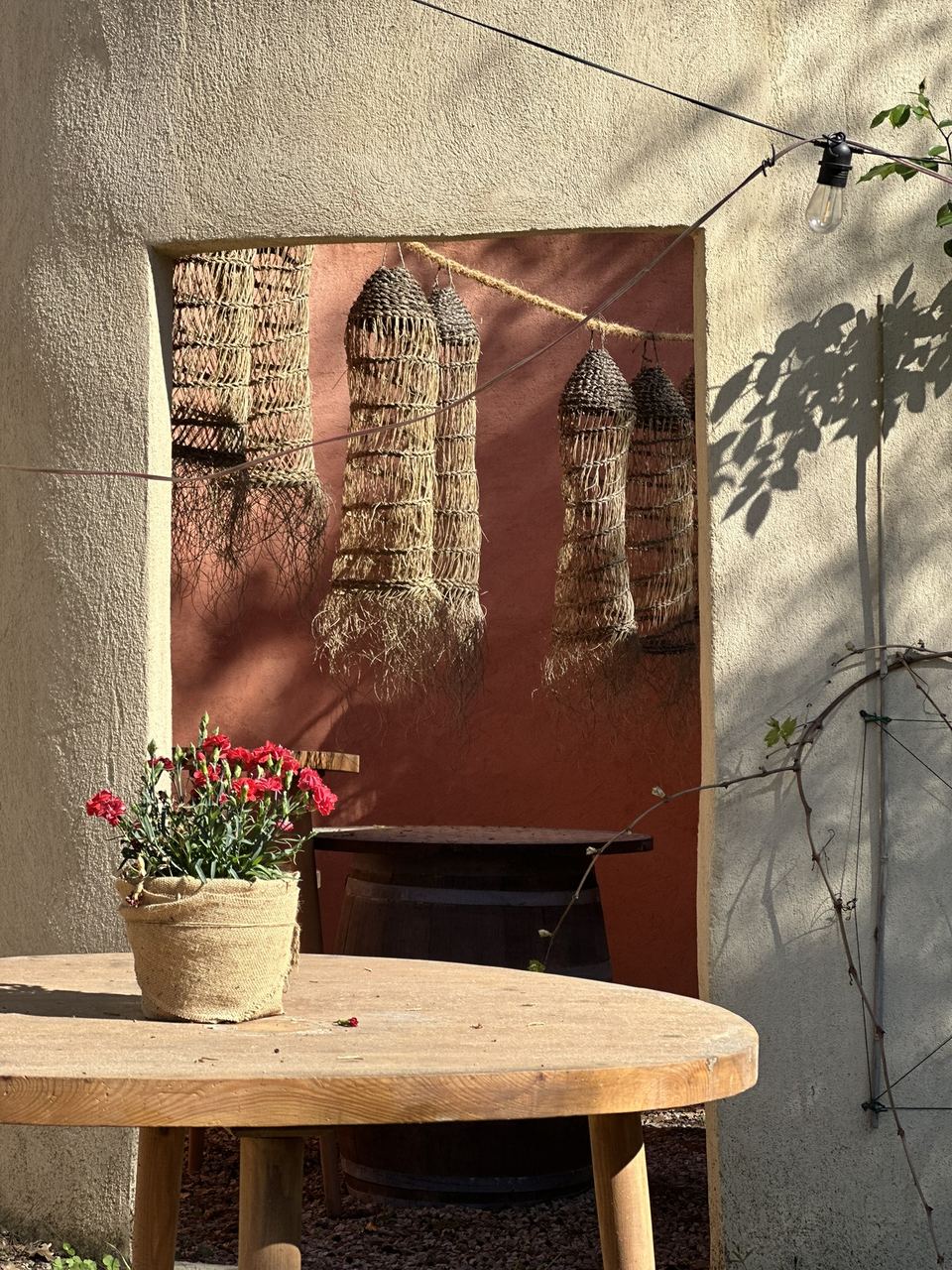
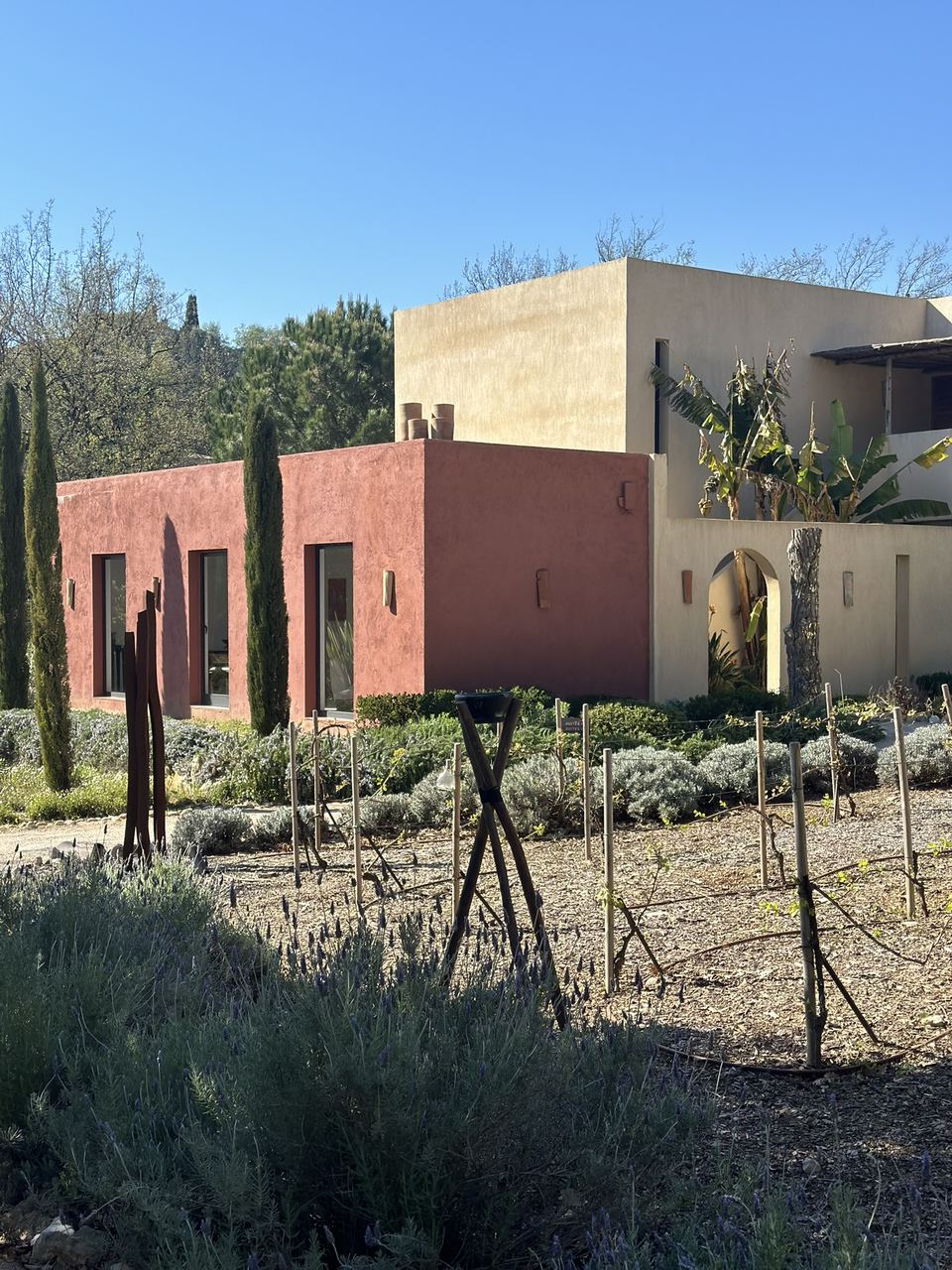
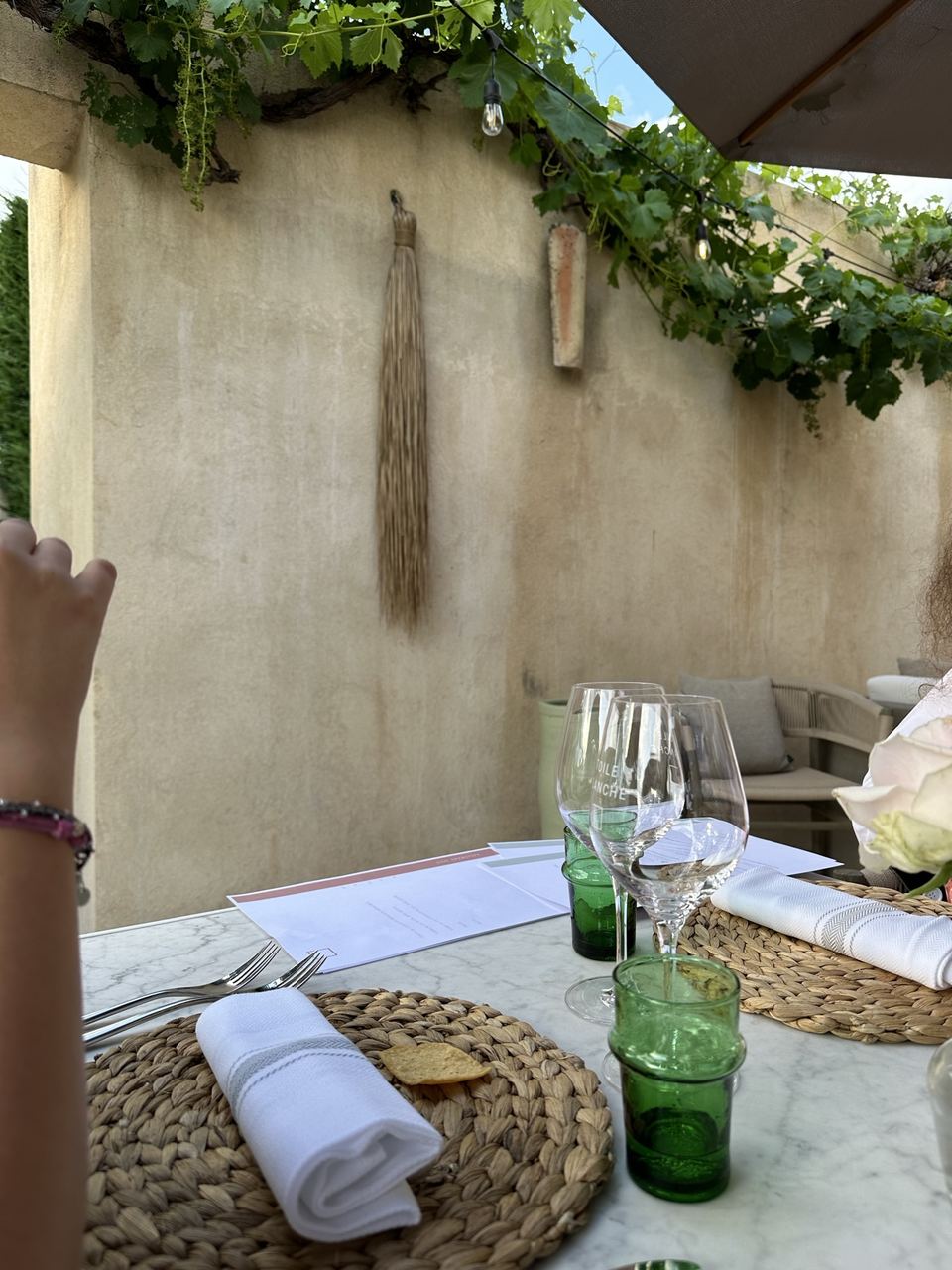
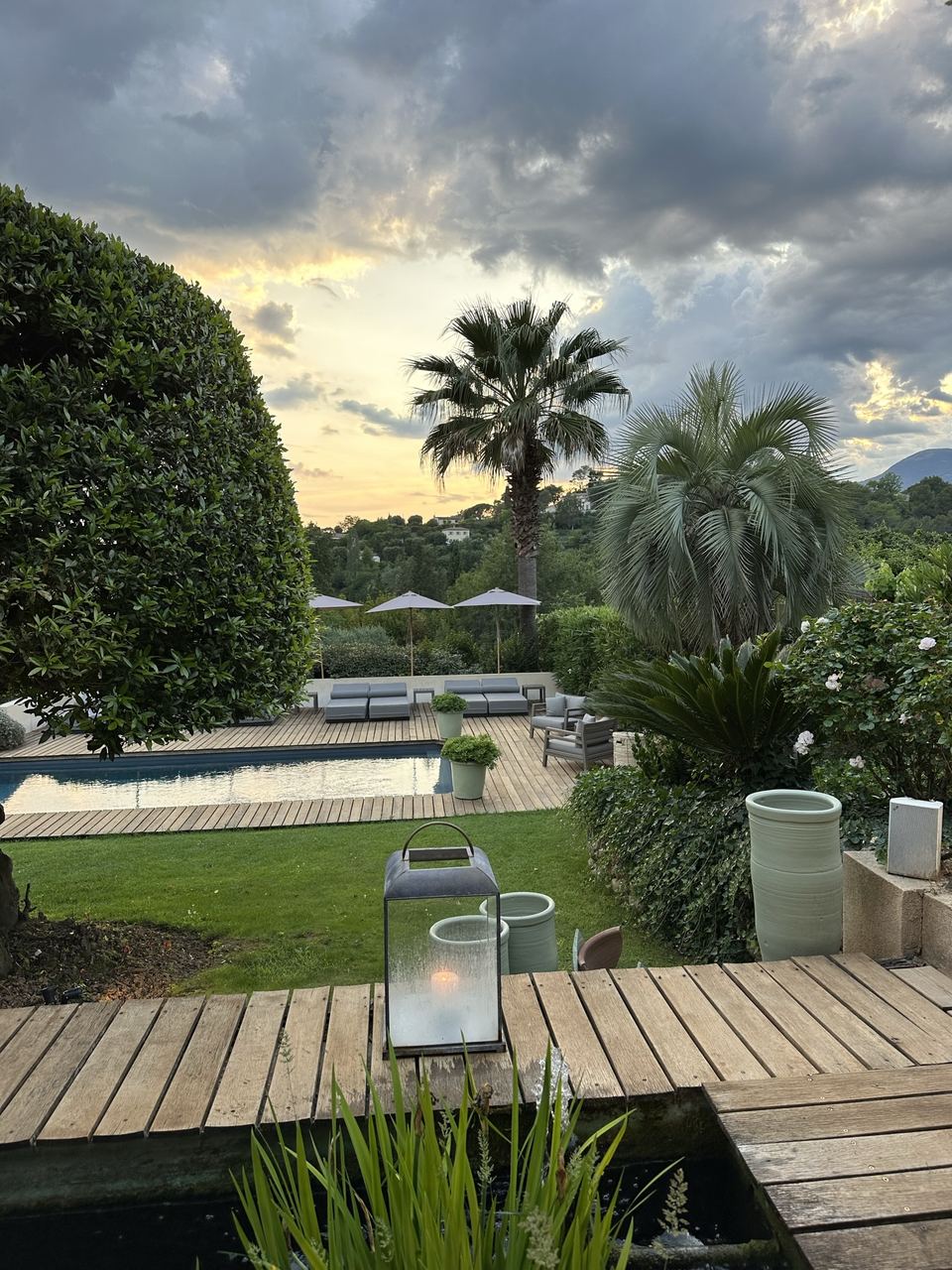
Images courtesy by Paolo Casati
Staying, with nowhere to go
At Toile Blanche you can forget, for a few days, the need to go anywhere, even though everything would allow it: the village is within walking distance, the Fondation Maeght a few minutes away by car and the Riviera all around. Yet the place seems designed to make the opposite possible: staying put.
Days move between a pool and a garden, a room full of light and a sculpture found by chance, a lunch under the trees and an evening on the restaurant terrace, while Saint-Paul-de-Vence, Provence and art come to you on their own, a little at a time, with no need to go looking for them.
Photography © Toile Blanche / Leroy Brothers
All rights reserved to the respective authors. Images are protected by copyright and may not be reproduced without permission.
Toile Blanche
Contact
Le Restaurant: dinner every day
La Guinguette: lunch, seasonal service according to calendar